tourist spot in singapore
Good news from Marine Biodiversity Survey

According to the local news, The Straits Times, lately, the 5 years comprehensive Marine Biodiversity Survey (CMBS) has collected about 30,000 specimens which are conducting in mudflats, seabeds and reed habitats.

14 species have been identified possibly new to science, more than 80 new records have been found and about 10 have been rediscovered.


 The ‘Lipstick’ sea anemone found in mudflats at Pulau Ubin, is a predatory animal which has a distinctive red mouth and may not have been recorded anywhere else in the world.
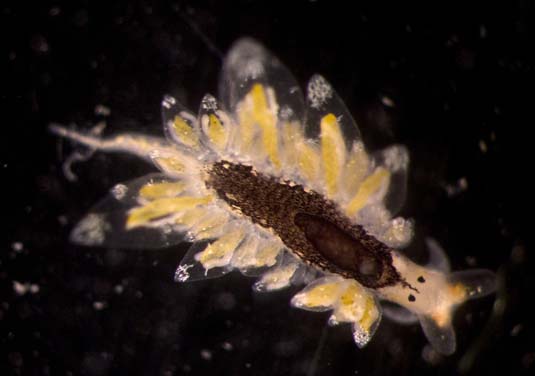
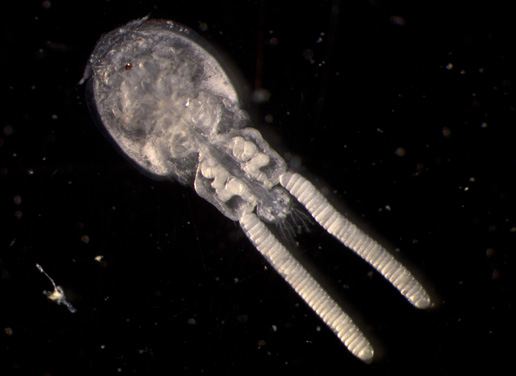
 Another species identified as possibly new to science is the orange-clawed mangrove crab found in coastal mangroves and a small goby, nicknamed ‘Zee’ found in mudflats off Lim Chu Kang.
A corner of MacRitchie Reservoir
 The purpose of construction a submerged boardwalk at MacRitchie Reservoir Park is to filter rainwater from the surrounding through plants and stone beds. It acts like a filtration system to channel cleaner water into the reservoir.
At the same time, fun walker can have close contact with beautiful insects like dragonflies, damselflies and other aquatic life surrounding the area.
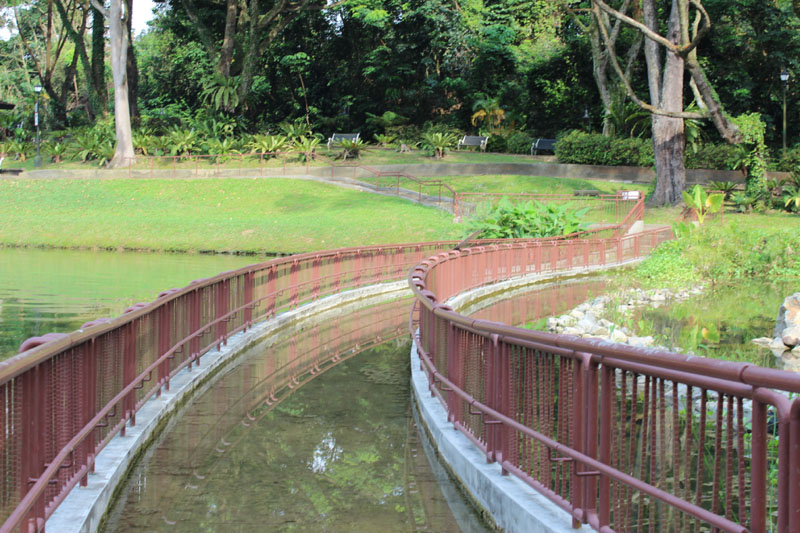 No pets and footwear are allowed on the shallow water. If that is the case, why not hand carry your pet and they’ll love you more than ever!
 At times, helicopter-like damselfly may zoom across with their horizontal propellers.

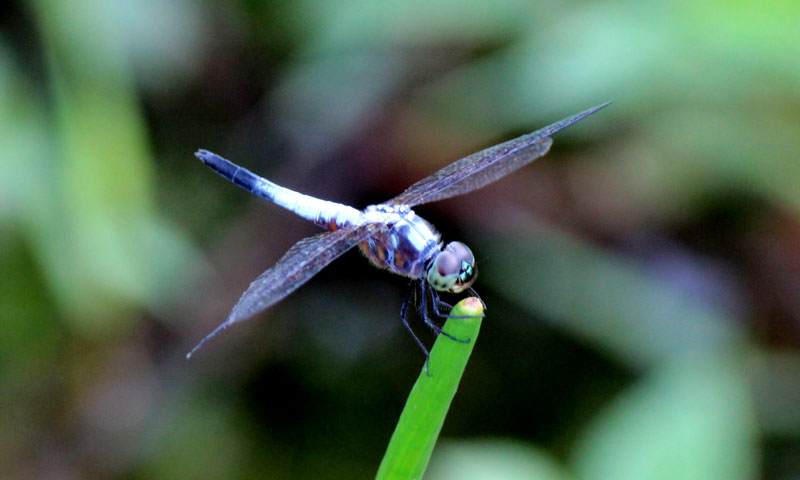 Some are thoroughly in action while some are lone ranger.
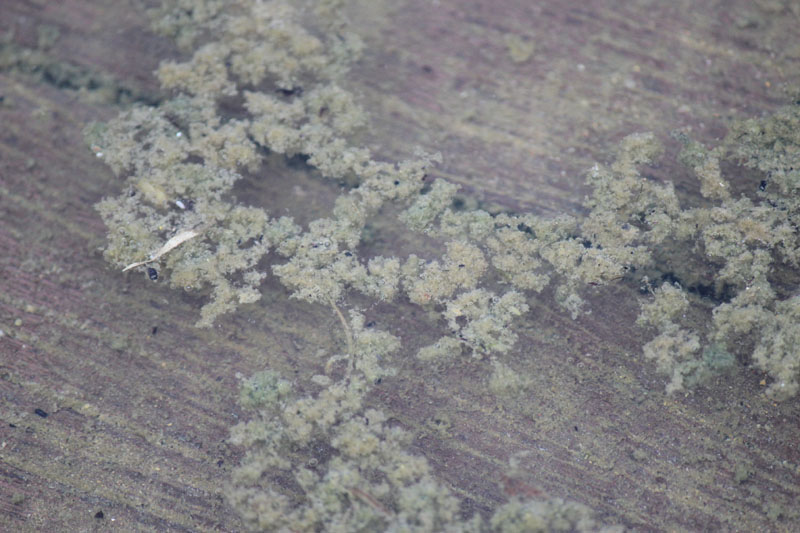 Some are so insignificant but plays and important part to purify the water for our usage.
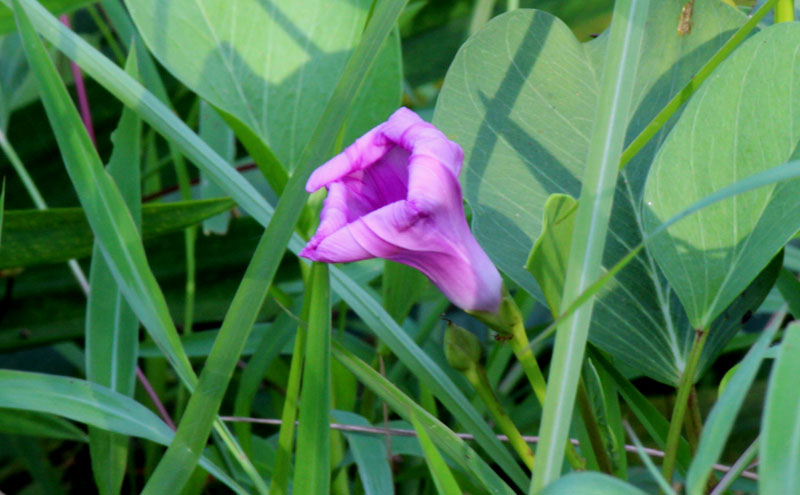 Some are living quietly without any titles.
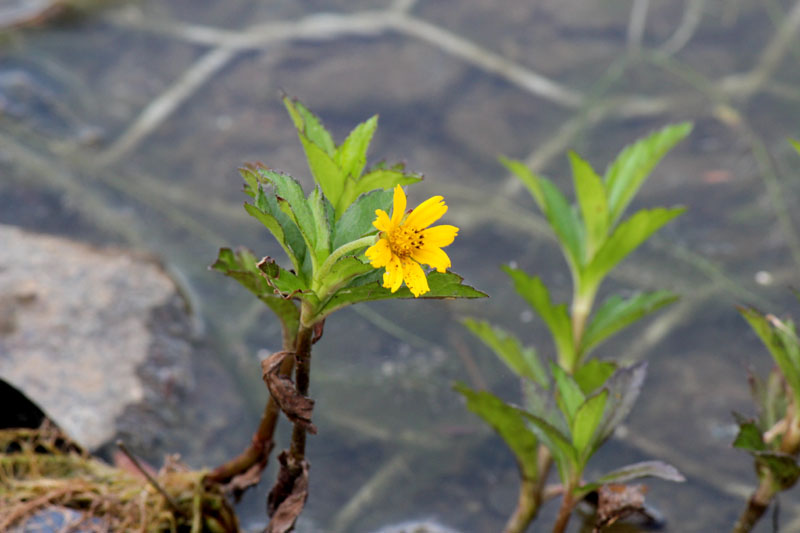 Some water fairies whispering by the waterside.
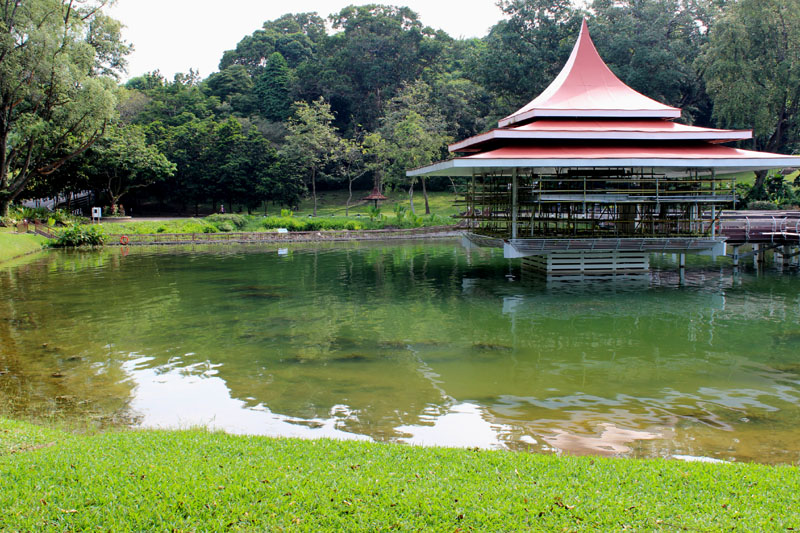 This is just a corner of the park, but never neglect the rest!
Show yourself love, but not engraving love on me
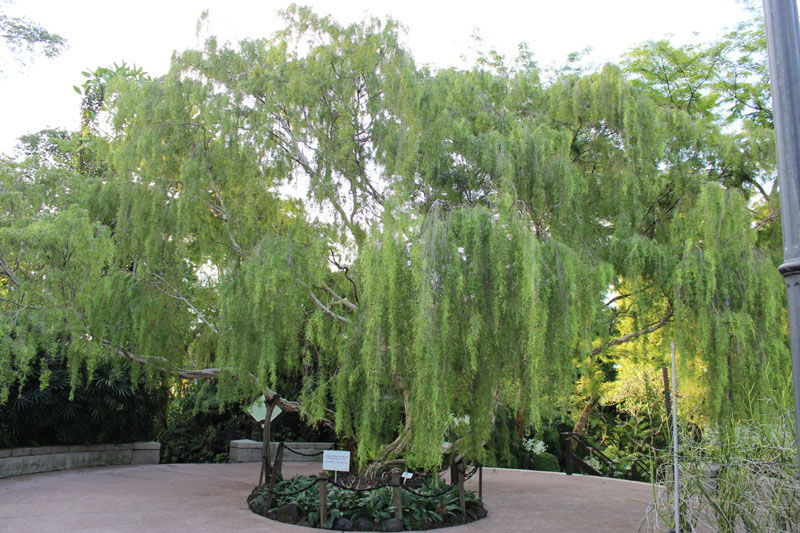
“Keep our trees healthy by not engraving on them!” There is a signboard written by National Park in Orchid Garden, Sinagpore Botanic Gardens. By keeping them growing healthily, a gentle reminder for public not to engrave anything on the tree.
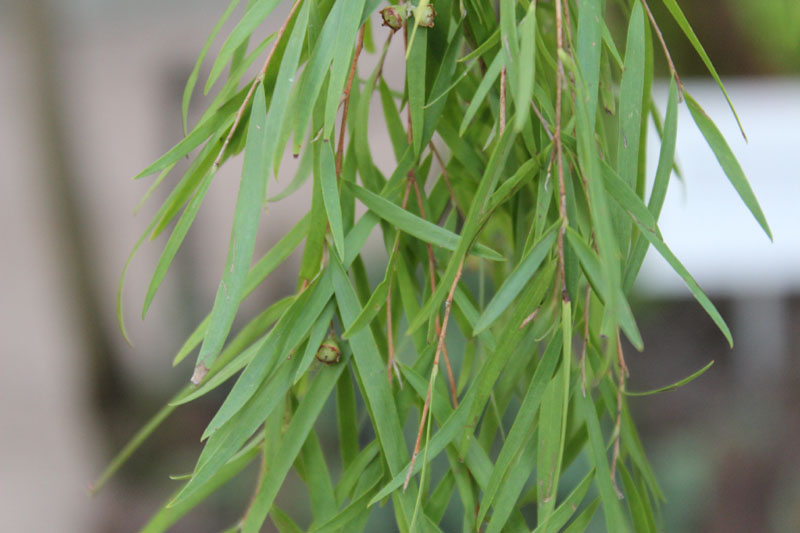
This is Leptospermum Brachyandrum, commonly known as tea tree, weeping tea tree or silver princess etc. Graceful weeping habitual and distinctive aromatic scent are the delightful appearance of this lovely soft foliage.

This is one of the trees, couple likes to engrave with their heart on the tree body. So let’s start today, show love by care and not by engraving!
One night in Phor Kark See Temple
 Today is Vesak Day. I jointed the volunteer group of Phor Kark See Temple to help up in selling drinks. By entering the side of the temple, there are gorgeous lotus deco being lightens up.
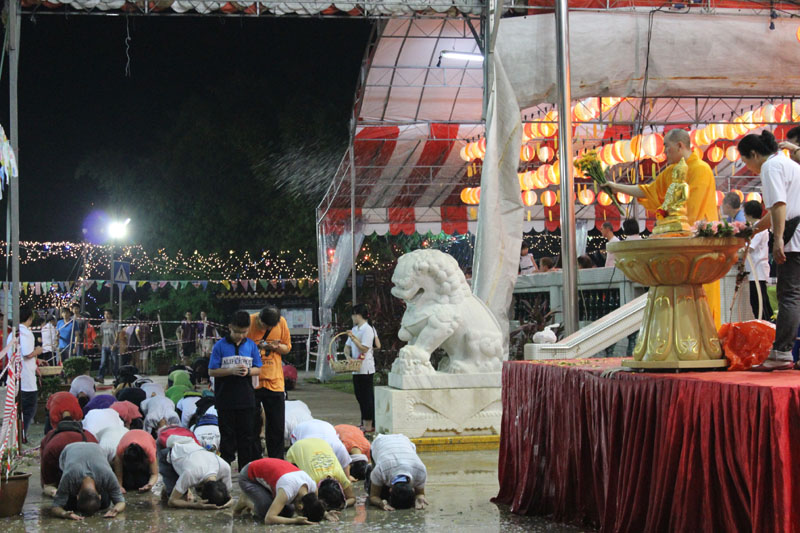 In “3 Steps, 1 Bow” ceremony, devotees circumambulate the perimeter of the temple, taking every 3 steps and one bow, while chanting the name of the Buddha. This event started on Vesak Day eve at 10pm until the actual day morning 7am.
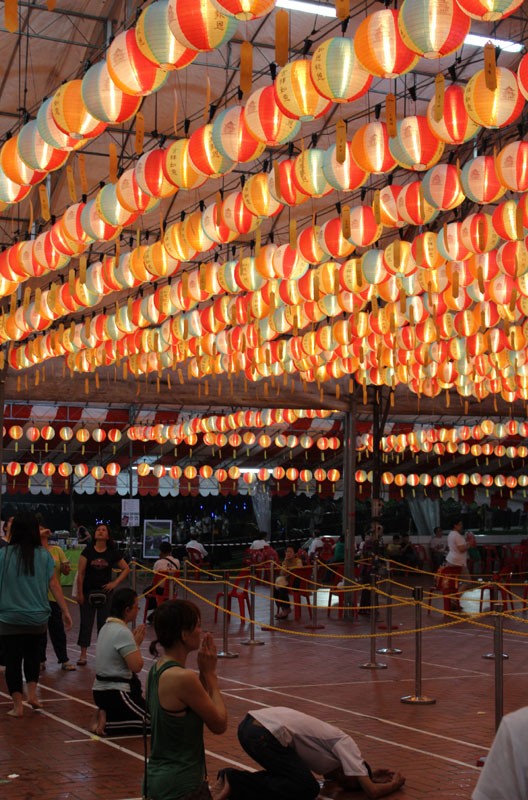 Thousand of lanterns lighten up every corner of the temple.
 In the Hall of Great Compassion, devotees queuing to pay respect to Avalokiteshvara Bodhisattva.
 On the other hands , “3 steps, 1 Bow” ceremony still going on and on every single minutes.
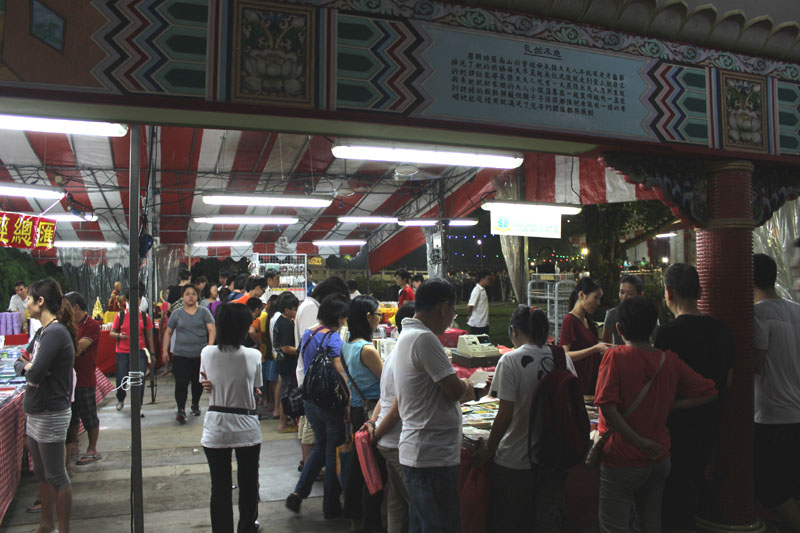 Cart stores selling Buddhism related things are overwhelming with crown and heats.
 Little Buddhas are happily smiling to us.
 Comfort foods are serving for free thru out the whole Vesak Day event.
 This picture was captured in the morning 8am, a woman pushing her Granny- I guess, has shown virtues thru out, until the end of the ceremony.
 And this is the time for the lotus awakening.
Vesak Day

Know the enlightenment of this great man.
Understand the path he went through.
Understand his teachings with wisdom, and
Be mindful on this special day.
Dragons in the Temple

Dragons carry a significant role in Chinese culture. It symbolizes a ranking, prosperity and fortune. By engraving or sculpting dragon on building monuments, it enhances the strength and appearance of the architectural language.
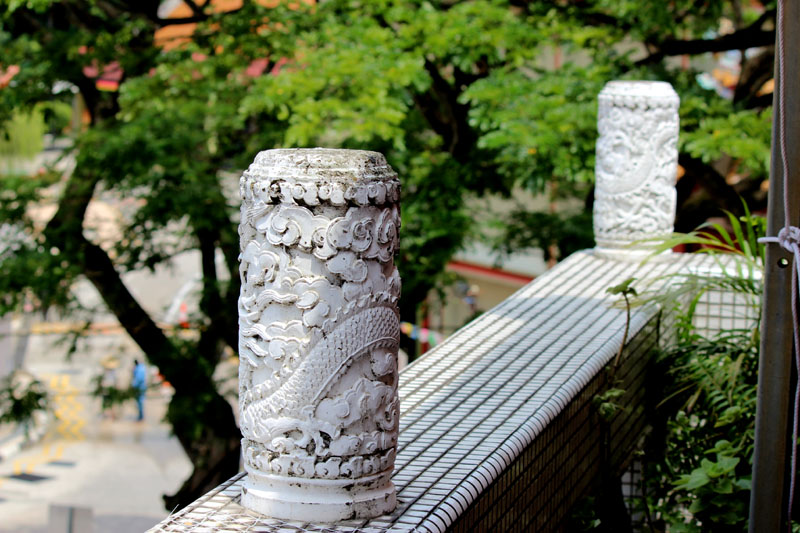
Shots I have captured from Bright Hill Temple ensemble the dragon symbols. Rail post wrapped around with carved dragon, size of 20cm in diameter and 45cm in height. It envelops the place for offerings where visitors pay respect to their ancestors.

A pair of magnificent butterfly-like beams, painted with dragon’s character proudly tie down to the frame of the holy minder.
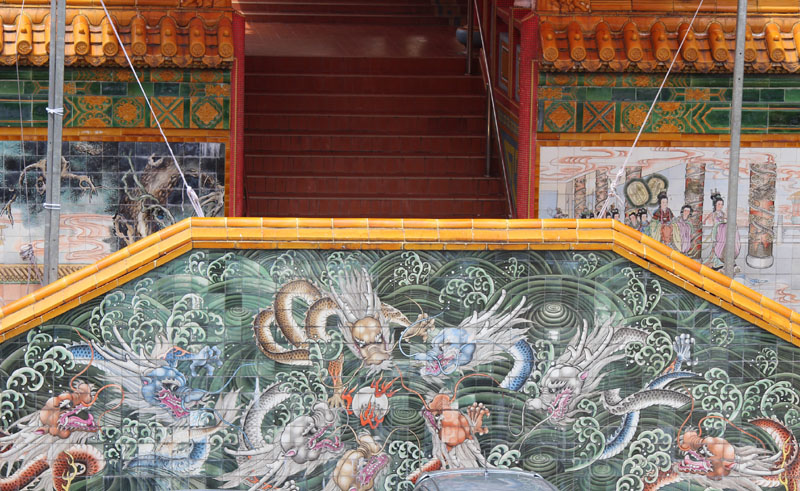
The wall art revealing the interesting and legendary myths.


The temples are guided and guarded by the dragons sitting on the roof ridge. It clearly defines a place with respectable reputation and status.
Arches of the Golden Shower

These arches were cheerfully designed and display with massive Golden Shower Orchids. Oncidium Goldiana is the first hybrid produced by Singapore Botanic Gardens’ orchid programme in 1939.

It has two common names, Golden Shower and Dancing Lady.

The name, Golden Shower arises from the numerous blooming in striking yellow, looking like golden showers in a mass presentation.

The name, Dancing Lady arises from individual flower that looks like dancing lady dancing in her ballroom dress.

Anyone there would like to dance with her under the delightful arches, or just walk through and get showered by this vibrant flora?
A big bird cage in Orchid Garden

There is a bird cage-like green house in Orchid Garden, Singapore Botanic Gardens. It almost fully covers with lash green, and Orchids are the main actors in the cage. It is not very big in size but interesting in the concept.

Before you step in and become part of the birdie in the cage, there are many different kinds of Orchid welcome you at the doorway.
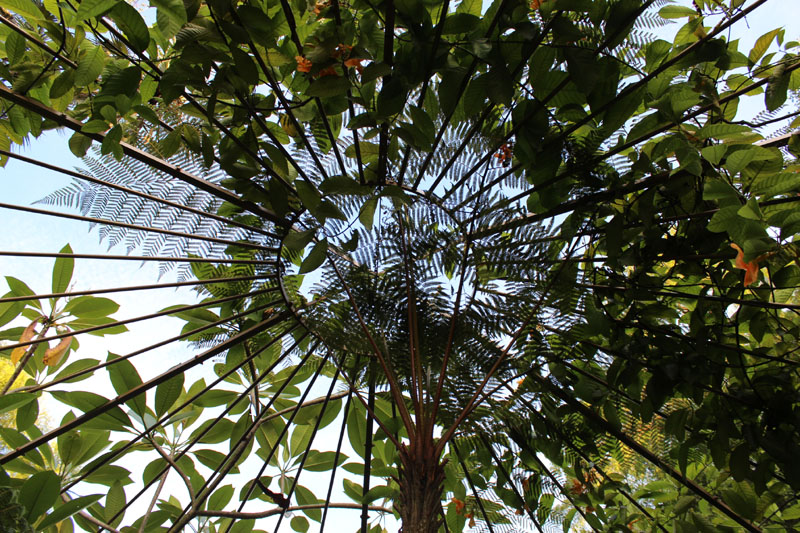
There is one fern tree right in the center of the core; act as a umbrella with a spreading arms, shading us from the sunny heat wave.

He is wearing a sock; with a branded name Orchid Renanthera, also call the Singaporeans.


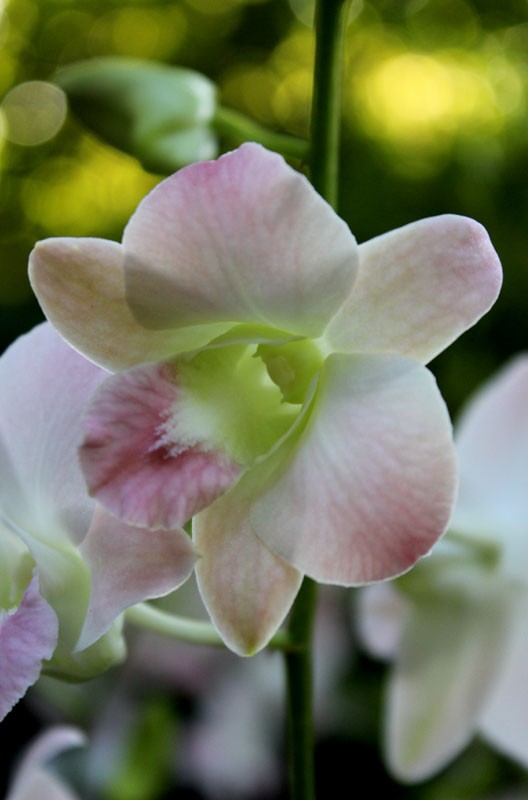
And of course many other more, that belongs to the family of the Orchid Empire.
A tale of these two sculptures outside the temple

This is snake or a tail? It is the tail of the tiger sculptures outside Sakya Muni Buddha Gaya Temple. Located at Race Course Road near Balestier Road, this temple was founded by a Thai monk, Venerable Vuttisara in 1927. In those days, ramshackle zinc, wood shelter and a Buddha statue were the initial form.
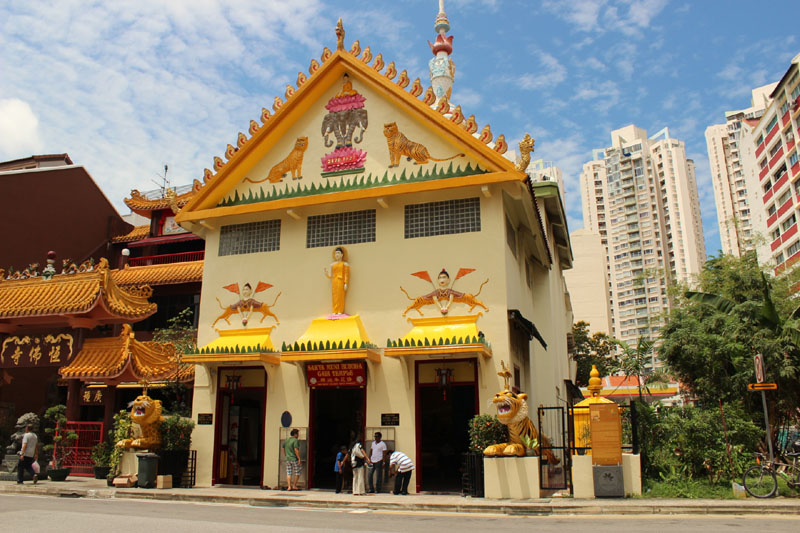
After gaining huge popularity and funded by philanthropist Aw Boon How and Aw Boon Par in 1930, the building was transformed into the grand present stage.

The hall of the temple holds the 300 tonnes Buddha statue that was surrounded by hundreds of lights, which is why the temple was named after it (The Temple of 1,000 Lights).


The philanthropist brothers, Aw Boon How and Aw Boon Par is the founders of the Tiger Balm Enterprise. “How” in Chinese dialects represent tiger and “Par” represents leopard. These two animal sculptures and motifs symbolize the spirit of the temple.

The National Heritage Board earmarked the temple as a historic site in year 2000.
No more racing on Race Course Road

Race Course Road was named after the old racecourse at Farrer Park built in 1842. It was the recreation hub for Europeans in the past and it also created jobs opportunity for the early settlers from Java and India.

While some buildings gives ways for the new. The present Race Course Road has many up and coming commercial buildings coming along the way. But some prefer to sit still just like the Leong San See Temple(龙山寺) which was built in 1917. It was popular with many Chinese immigrants who came here to offer their prayers.

Just like the Heng Fo Buddhist Temple (恒佛寺).

This historical building, “Temple of 1000 Lights” was reconstructed in 1930s with a changed of zinc roof to wood shelter.

Public housing serves as changes of an era.
 AddGrainOnEarth