photography
4) What so special about this Orchid?
(Vanda Miss Joaquim)
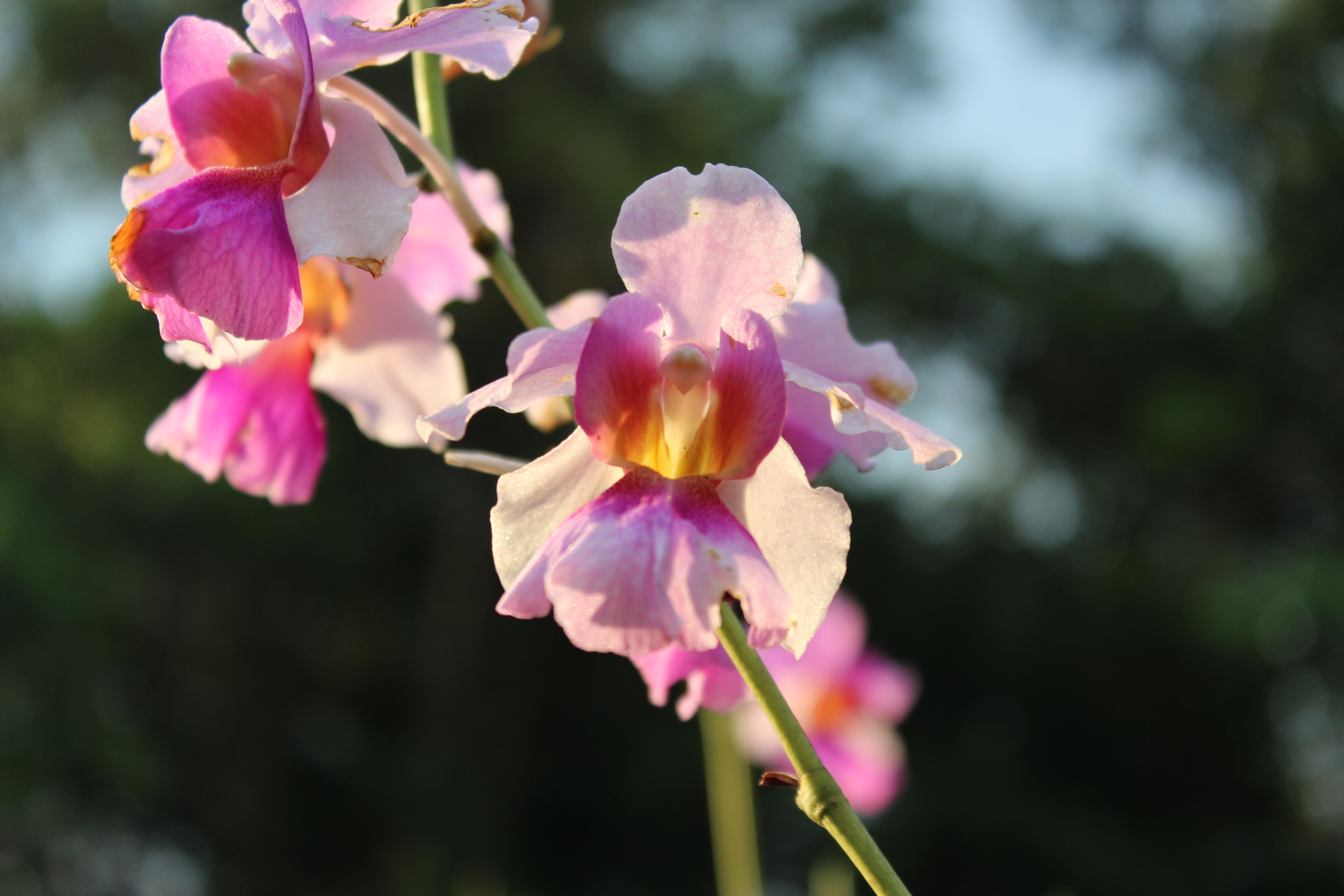
Vanda Miss Joaquim, our very own Singapore national flower. A natural hybrid Orchid between Vanda terres and Vanda hookeriana.
It was first discovered in 1893, in the garden of Agnes Joaquim, an Armenian best known for breeding the hybrid orchid. Agnes Joaquim’s tombstone can be found in the grounds of the Armenian Church at Hill Street, Singapore.
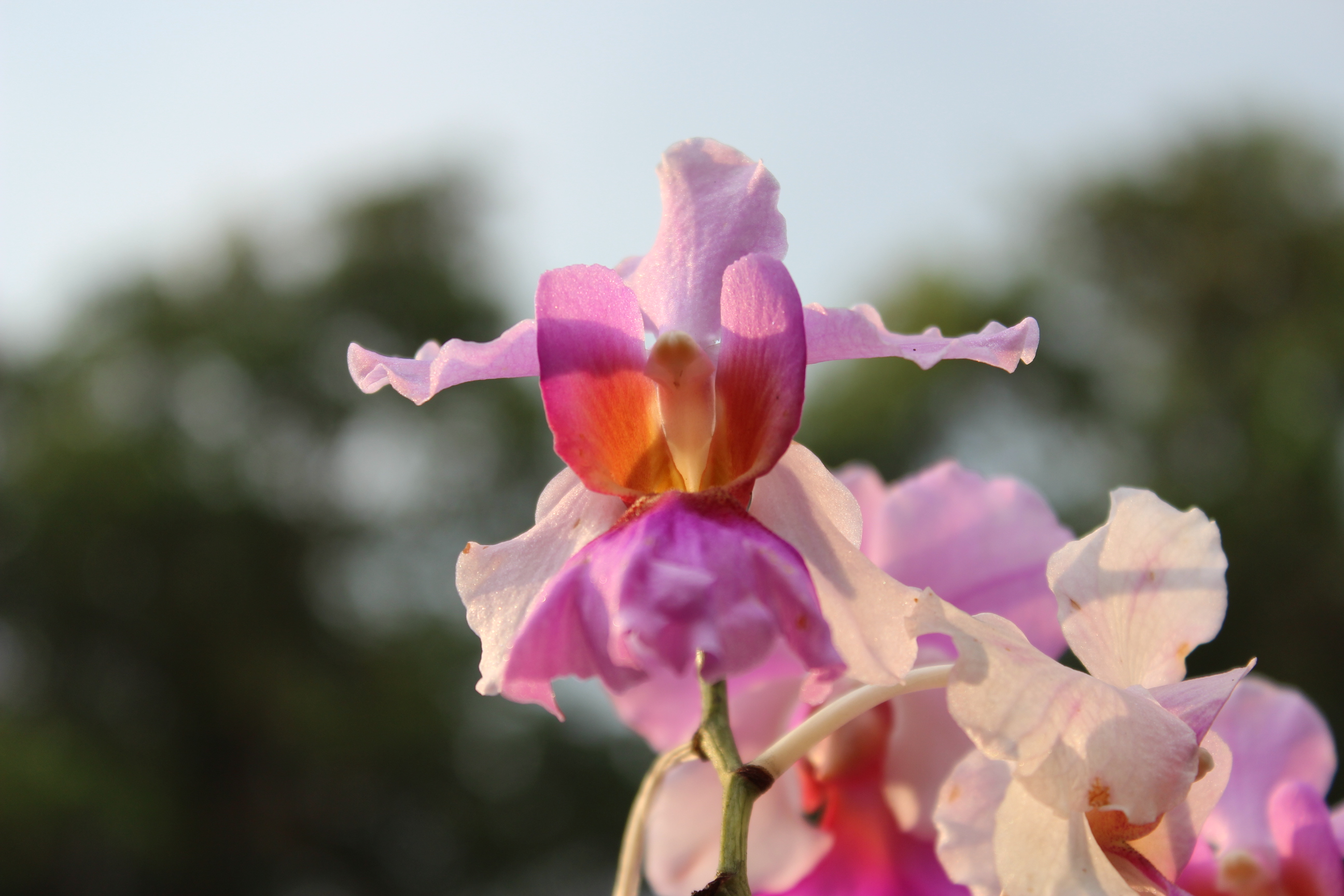
The flower was selected as Singapore’s national flower in 1981.
Vanda Miss Joaquim was chosen from 40 flowers, 30 Orchids out of the 40.
It stands out by its vibrant in color, hardiness as it blooms throughout the year. Thus, it reflects the spirit and quality of the Nation.
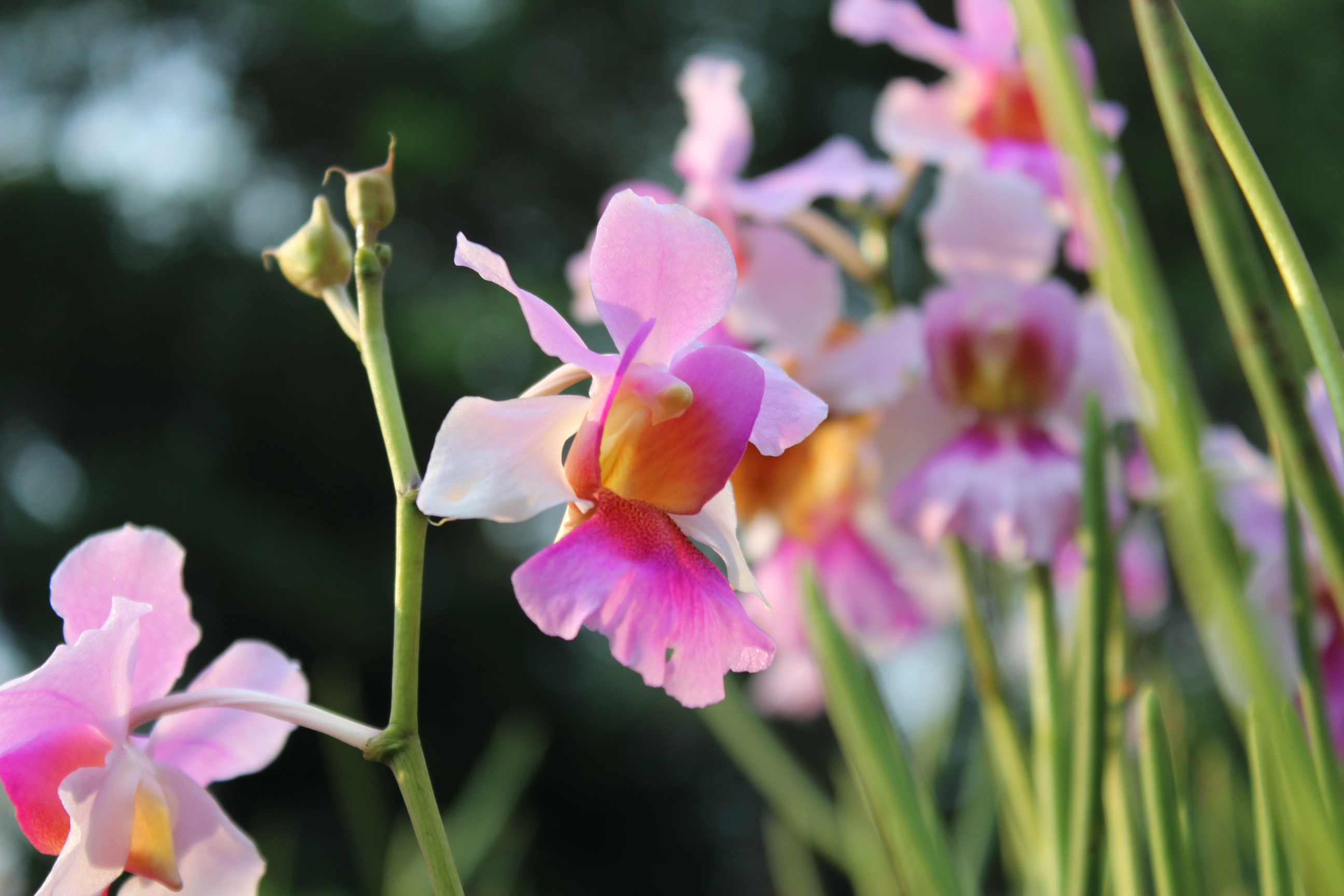
And now, Miss Joaquim is humming National Song in the sunset.
32) Lady on a Hammock
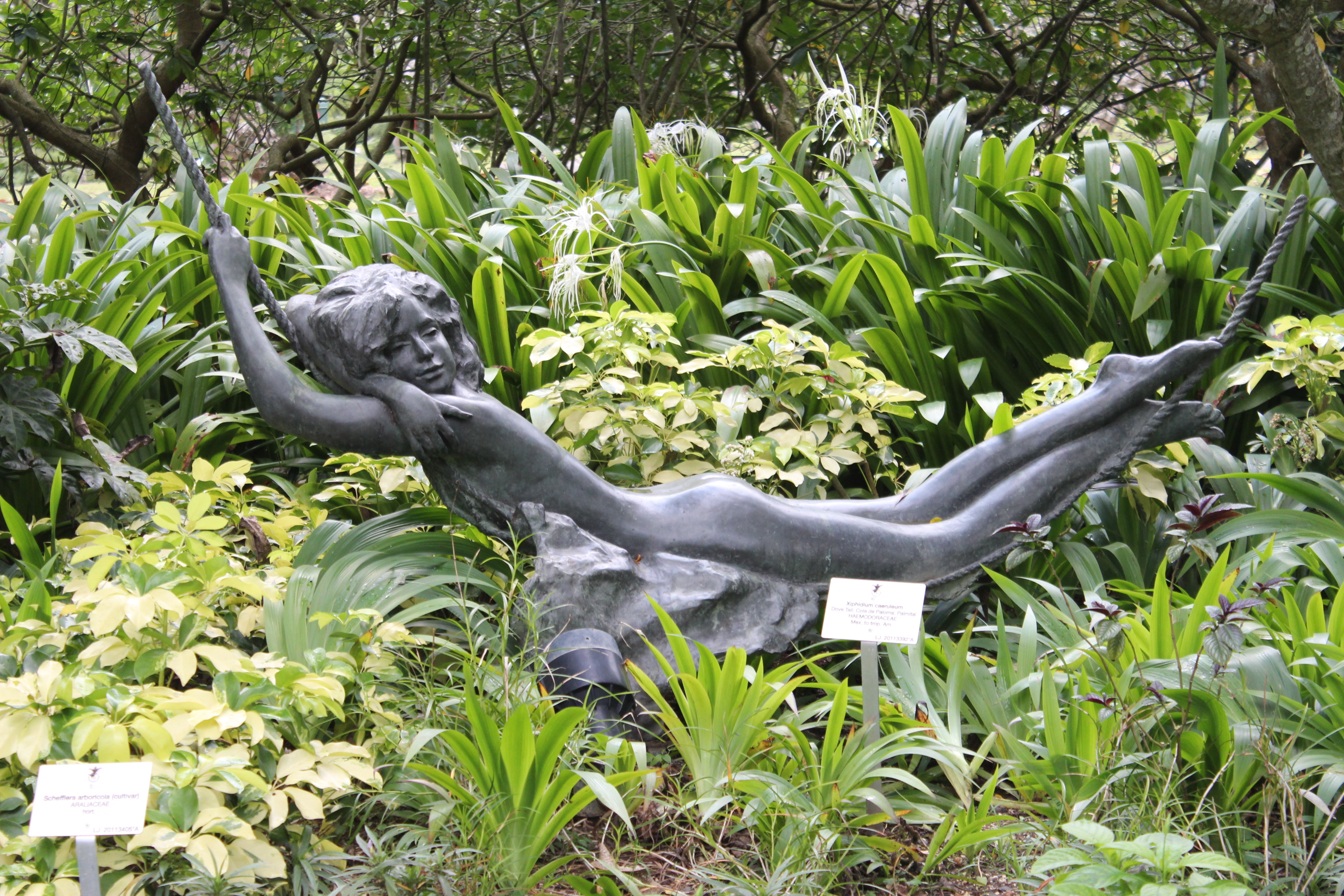
I am a lady swinging on a hammock
We are sculptures and the lovely all
Come and see us, you will know us more
To the Singapore Botanic Gardens just for a walk
Enjoy the trail and the nature fall
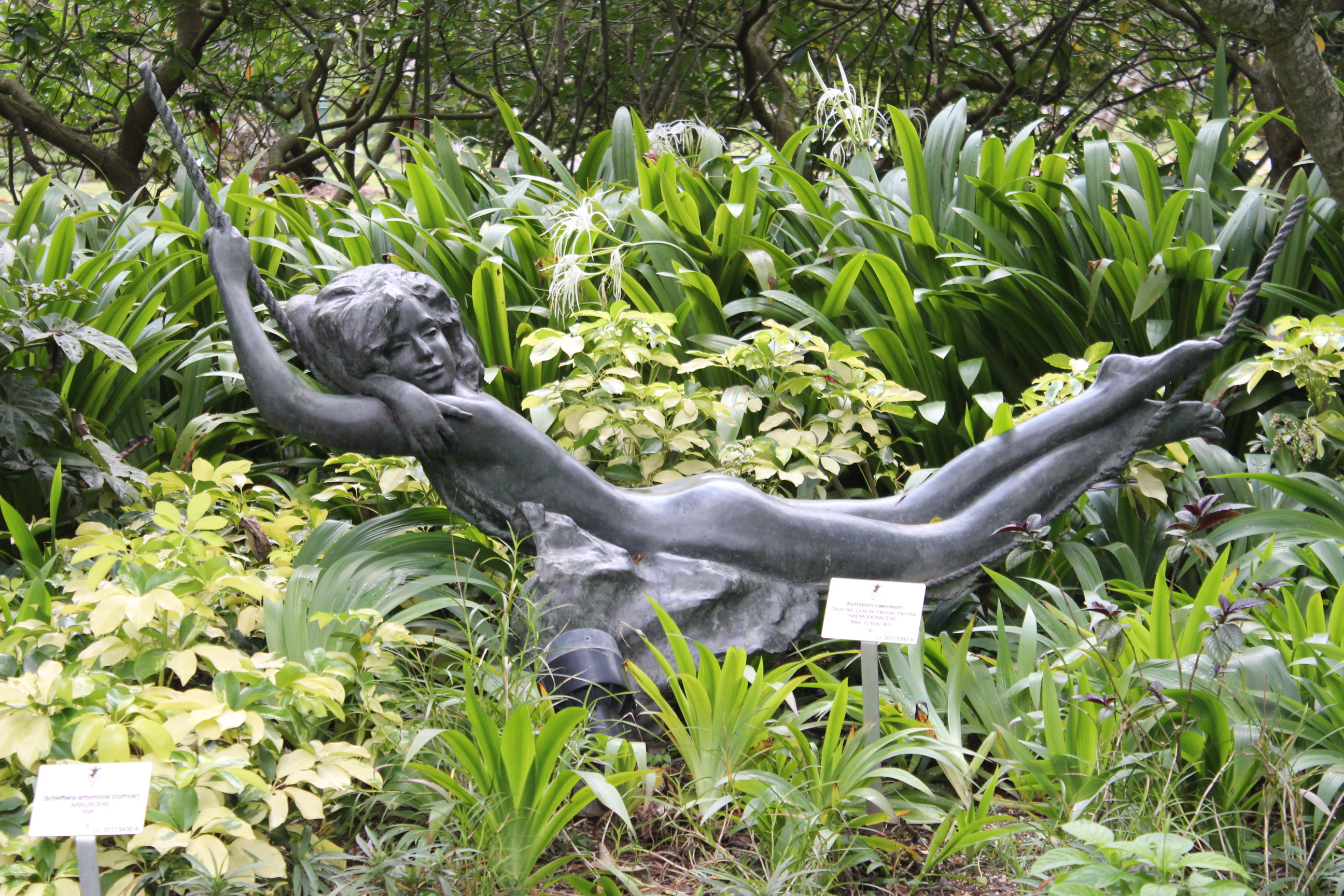
This is a sculpture at one corner of the Botanic Gardens
This simple poem is written and dedicated to the great artist, Sydney Harpley R.A and great man Mr David Marshall who commissioned and presented this art piece in 1989.
31) What so special about this tree?
An usual tree that is unusual
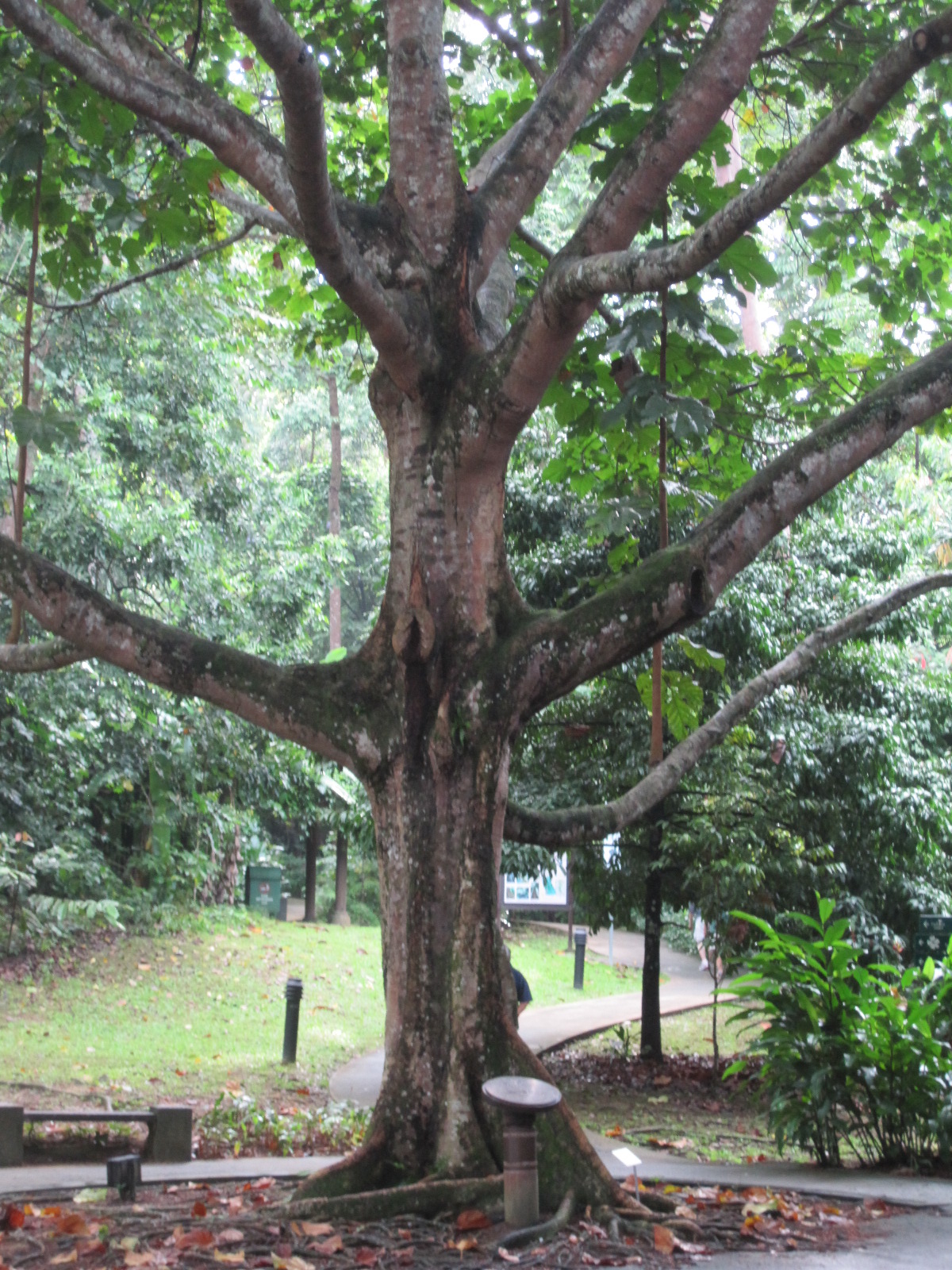
This tree may look normal to us. It is a tree of tropical rainforest which require humid climate though it can withstand dry season.
It is as special as its dedication to Mr Nelson Mandela, President of Africa who visited the Singapore Botanic Gardens 15 years ago, on 5th March 1997.
This Giant Cola Tree is among one of the Tree of Fame in the gardens
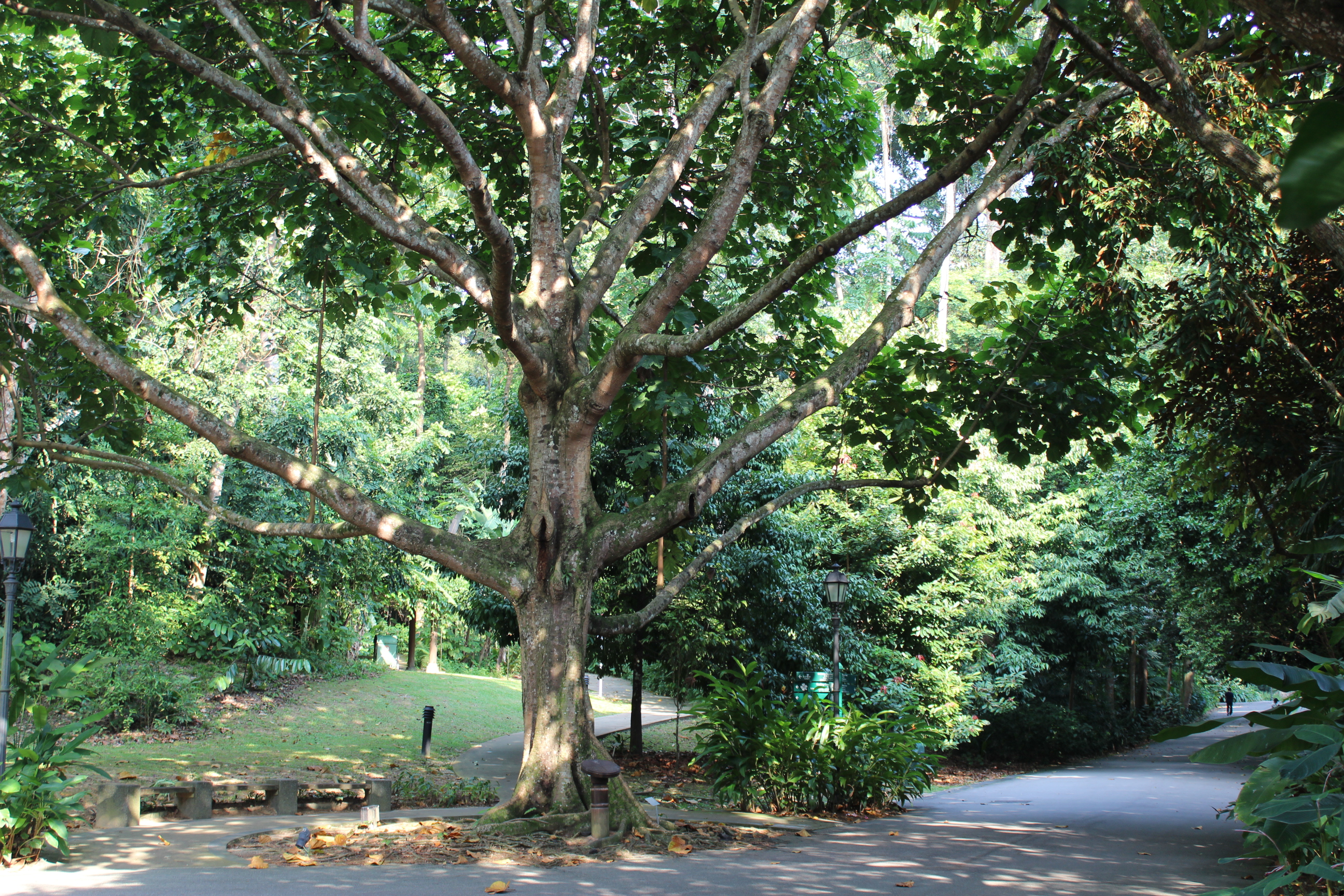
The extracts from nuts of related species are used in cola drinks and food items. The cola nuts contain caffeine. Chewing cola nuts can also ease hunger pangs and was thought to be remedies for whooping cough and asthma.
This is certainly an usual tree that is very unusual.
9) Story about HWA (Handicaps Welfare Association)
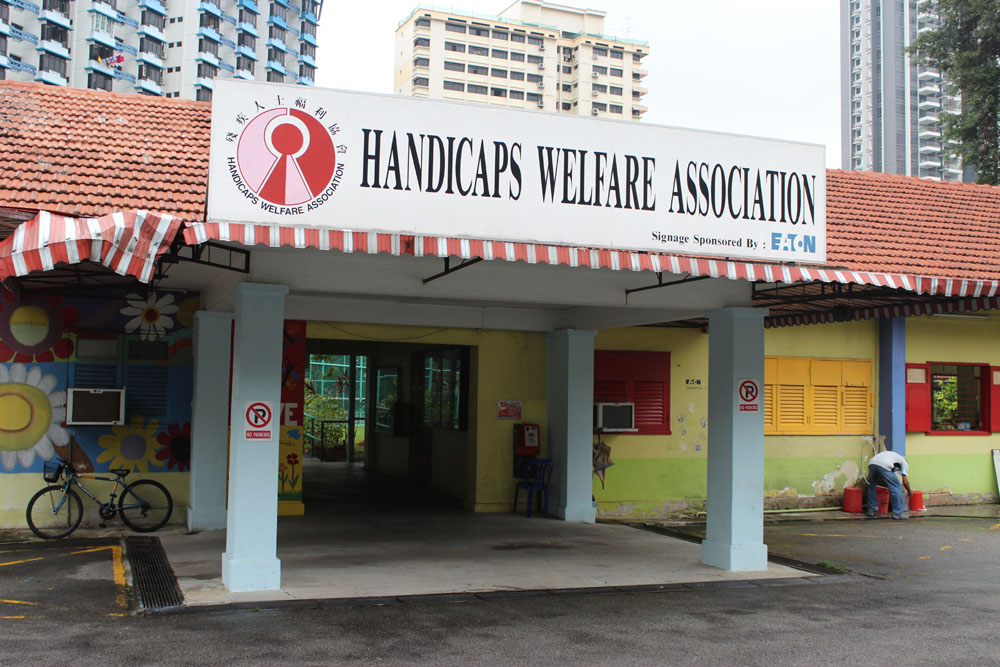
A stroll to Handicaps Welfare Association (HWA), located in Whampoa, Singapore is my weekly visit to my volunteer work with the association. HWA was founded in 1969, with a group of 23 philanthropists. An organization run by people with disabilities and for people with disabilities. An organization aims to promote self-help and mutual support to themselves and others.
After 43 years, HWA has 42 full time staff and they extend their contributions in rehabilitation, educational classes, welfare assistance, driving lesson for the disabled.
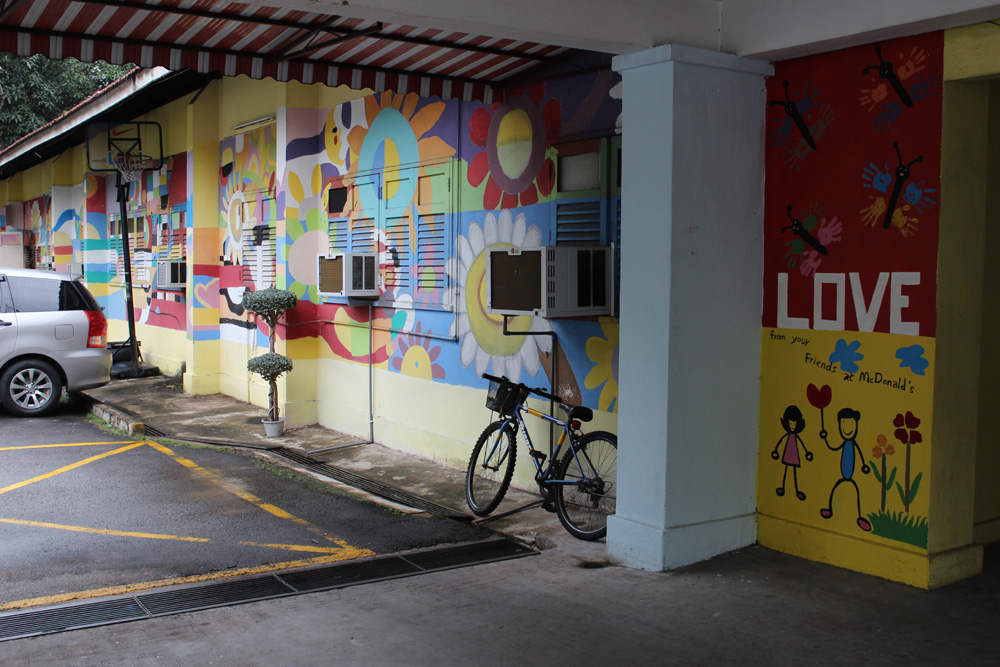
A wall painted art piece delighting the entrance of this caring ground.

Staffs helping member repositioning to the ground.
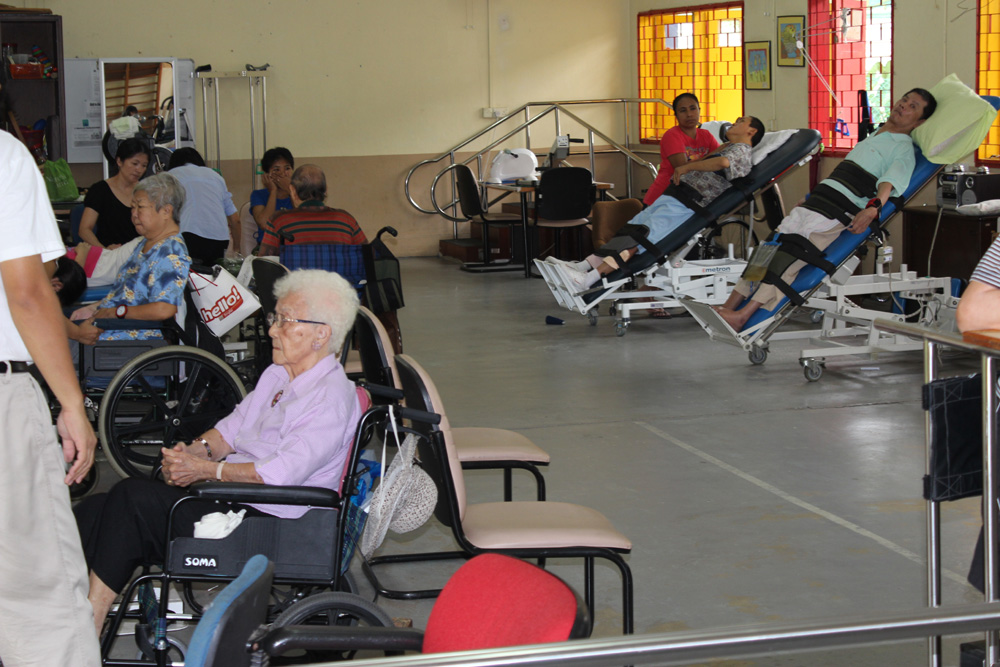
This picture shows a corner of the Rehabilitation Center, where some members are doing the therapy.
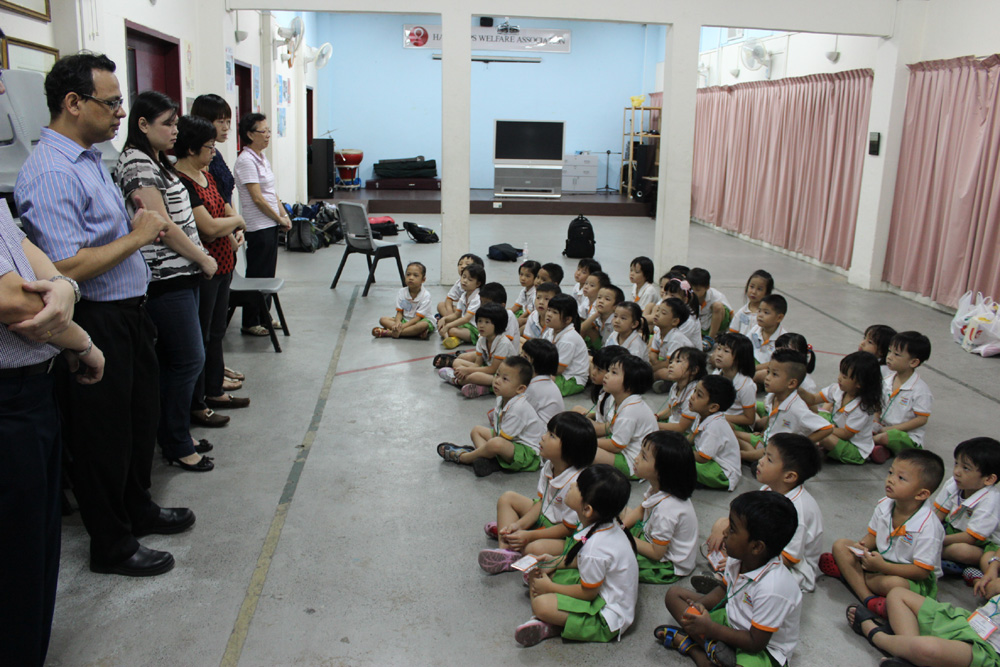
Today, a group of toddlers from a nearby kindergarten paid a visit to HWA center, an officer-in-charge explaining how the center operates and works and what we can do to help and contribute to the members of the center.

Architectural room providing Architectural drafting training assisting members to pick up extra skill and integration to community.
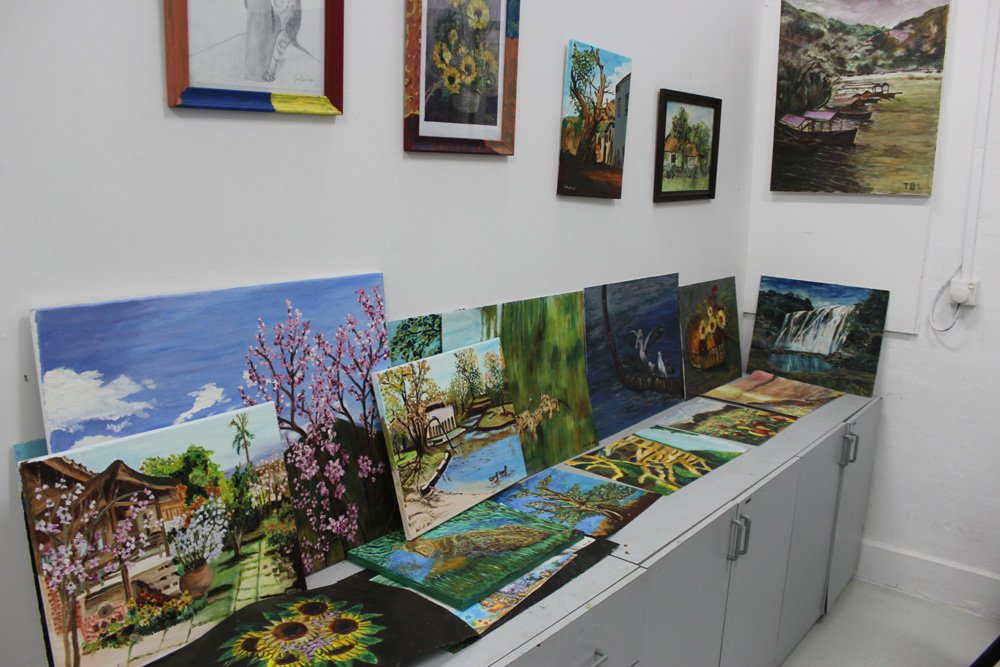
In this Art Room, you’ll discover they are more able than anyone else.
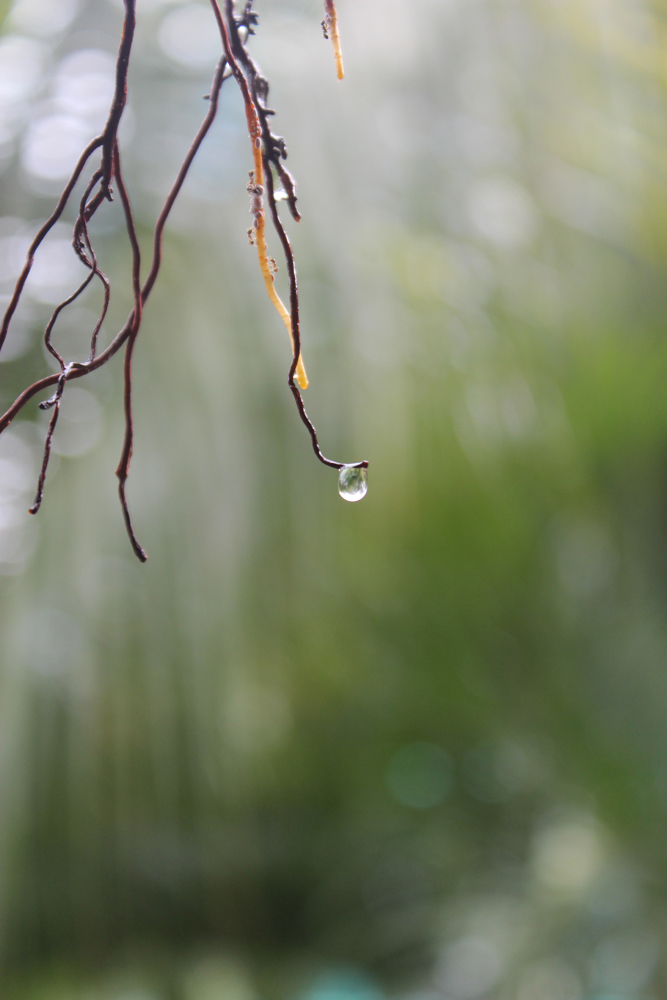
Drop of rain, bring about a life with countless crack of dawn, can be found here.
30) Where is this sculpture?
“SWING ME MAMA” Sculpture
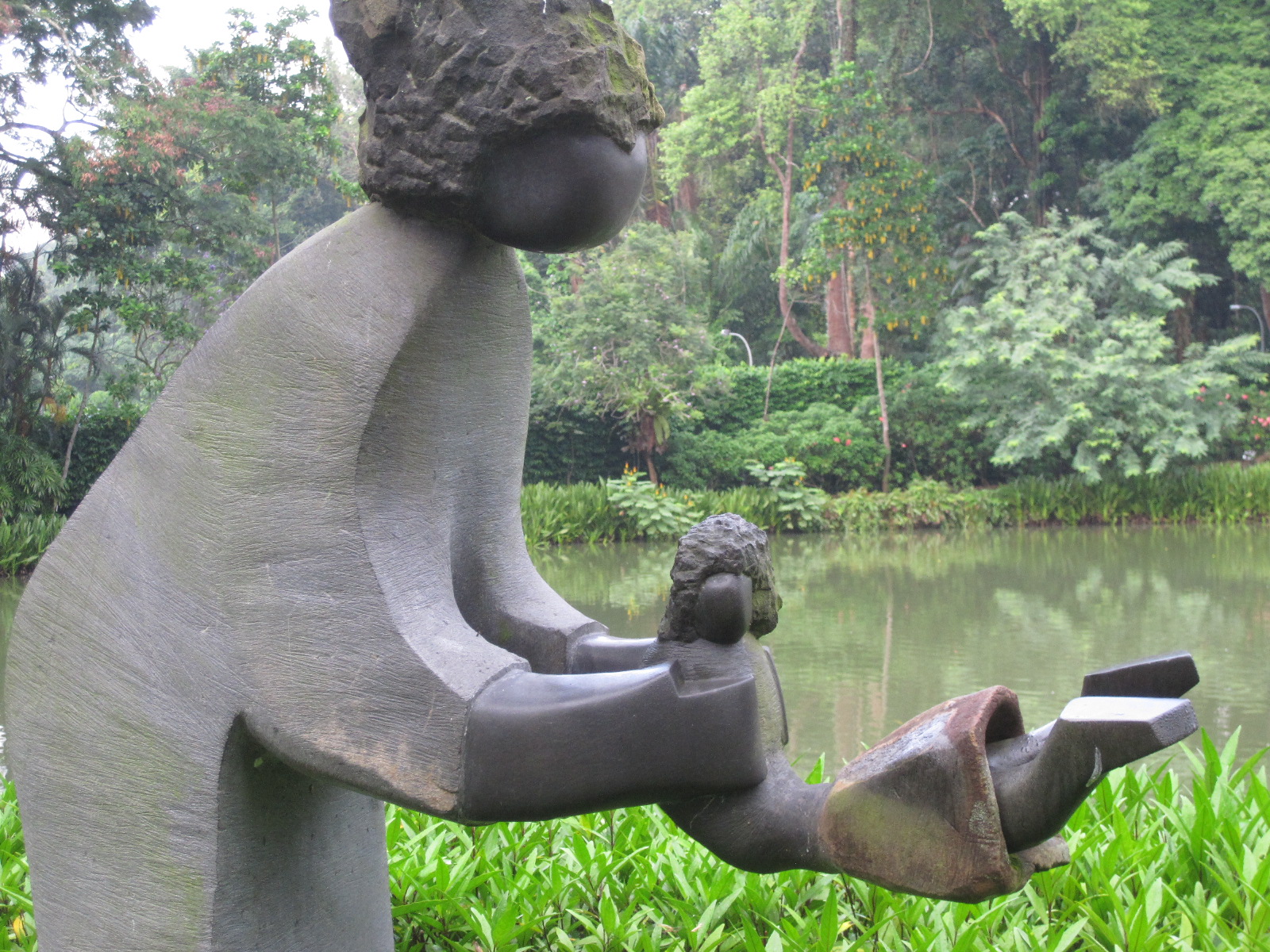
The beautiful art piece named “Swing Me Mama” is located next to the swan lake of the Singapore Botanic Gardens
It is made of serpentine spring stone. The sculptor, Dominic Benhura from Zimbabwe created this beautiful piece of work through the inspiration of his kids while he was trying to swing them.
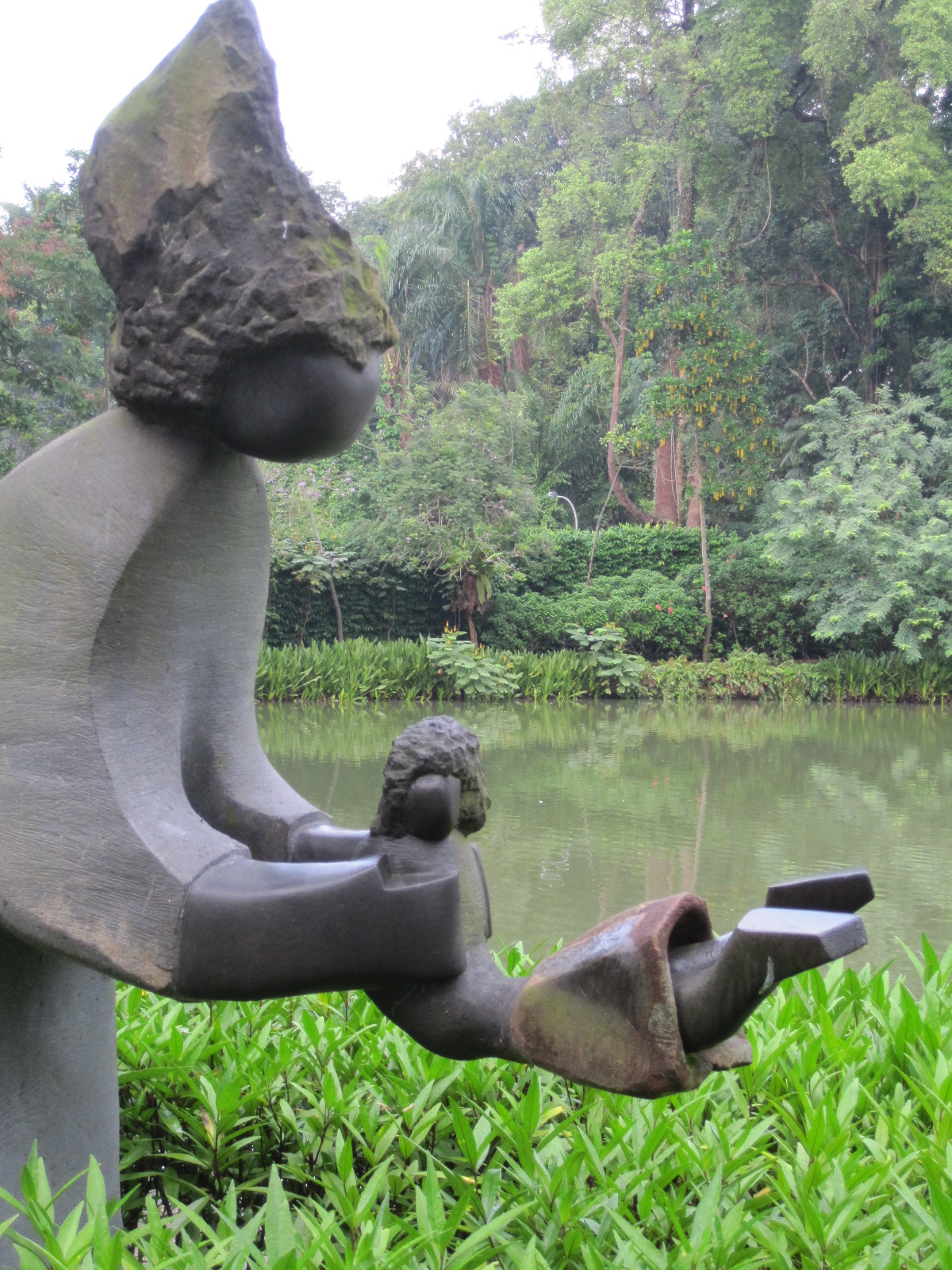
And now, both father and child are swinging and dancing together next to the Swan Lake, emitting and sharing the happiness they had together to visitors day in, day out.
3) A story about Tiger in a little Jar
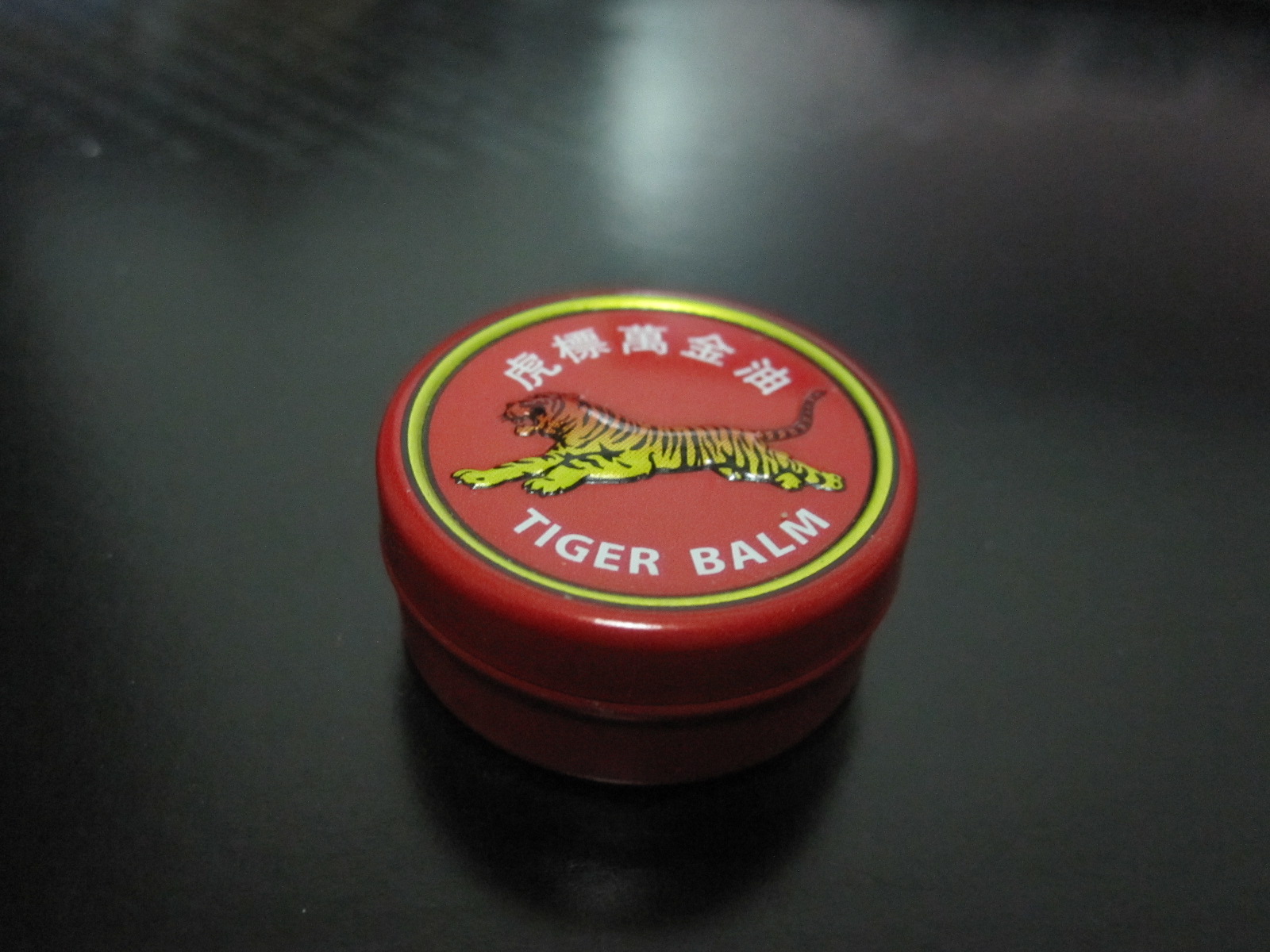
This 1-inch diameter Jar clawing with tiger doesn’t harm you, it doesn’t make any complaint until your muscle is yelling or nose is blocking. It becomes a tiger that eases your pain and calms your vein.
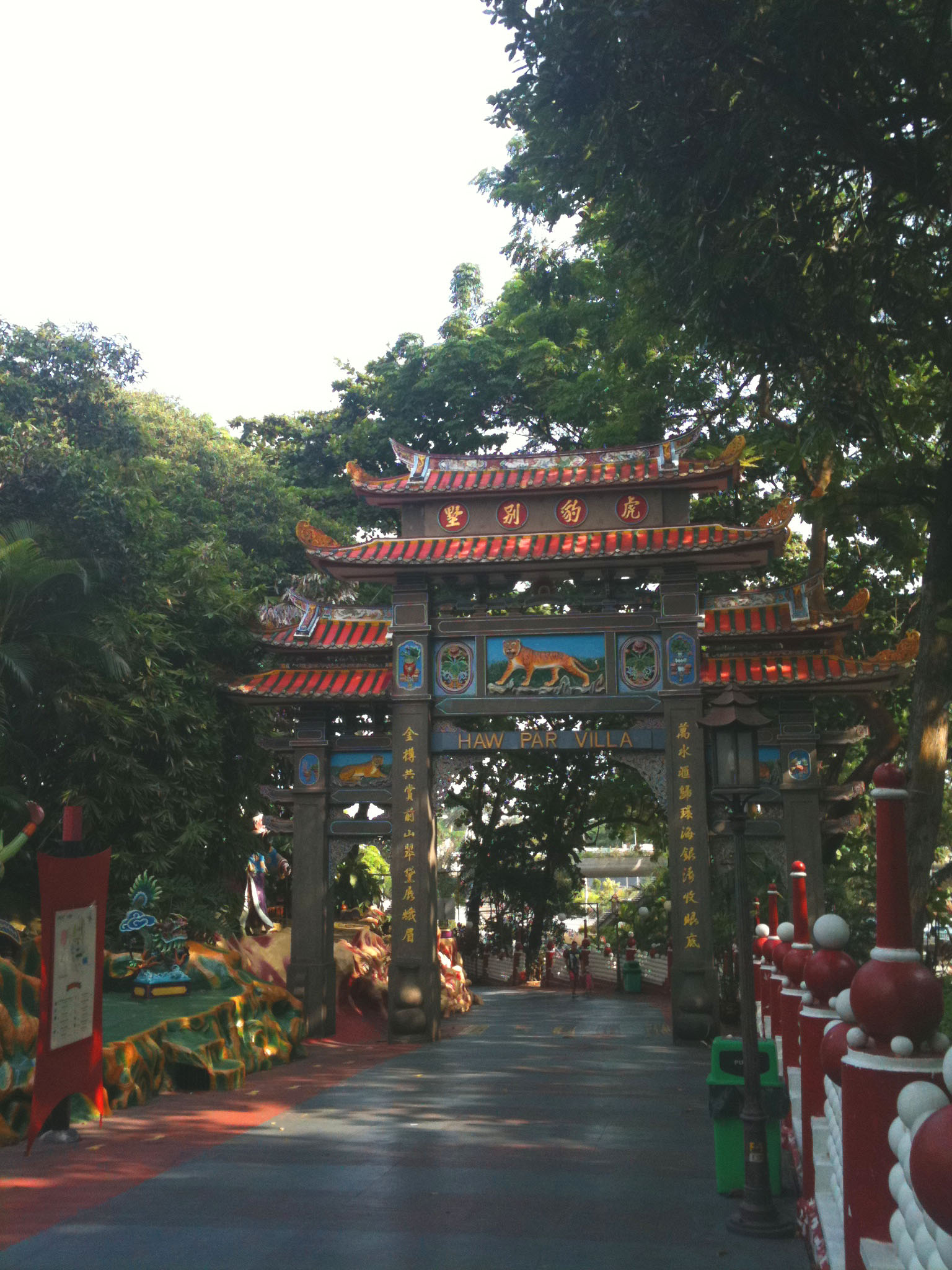
The Jar captures an insight story about Assiduousness, a story about two brothers, Aw Boon Haw and Aw Boon Par, whom took over the business from their herbalist father, Aw Chu Kin in the 1870s. They founded “Tiger Balm Gardens” in 1930, one in Singapore (the well known Haw Par Villa), and the other in Hong Kong. During the olden days, Haw Par Villa is a must visit mythology theme park for family outdoor event during weekends or public holidays. The Chinese mythology figures are good means of teaching traditional Chinese values.
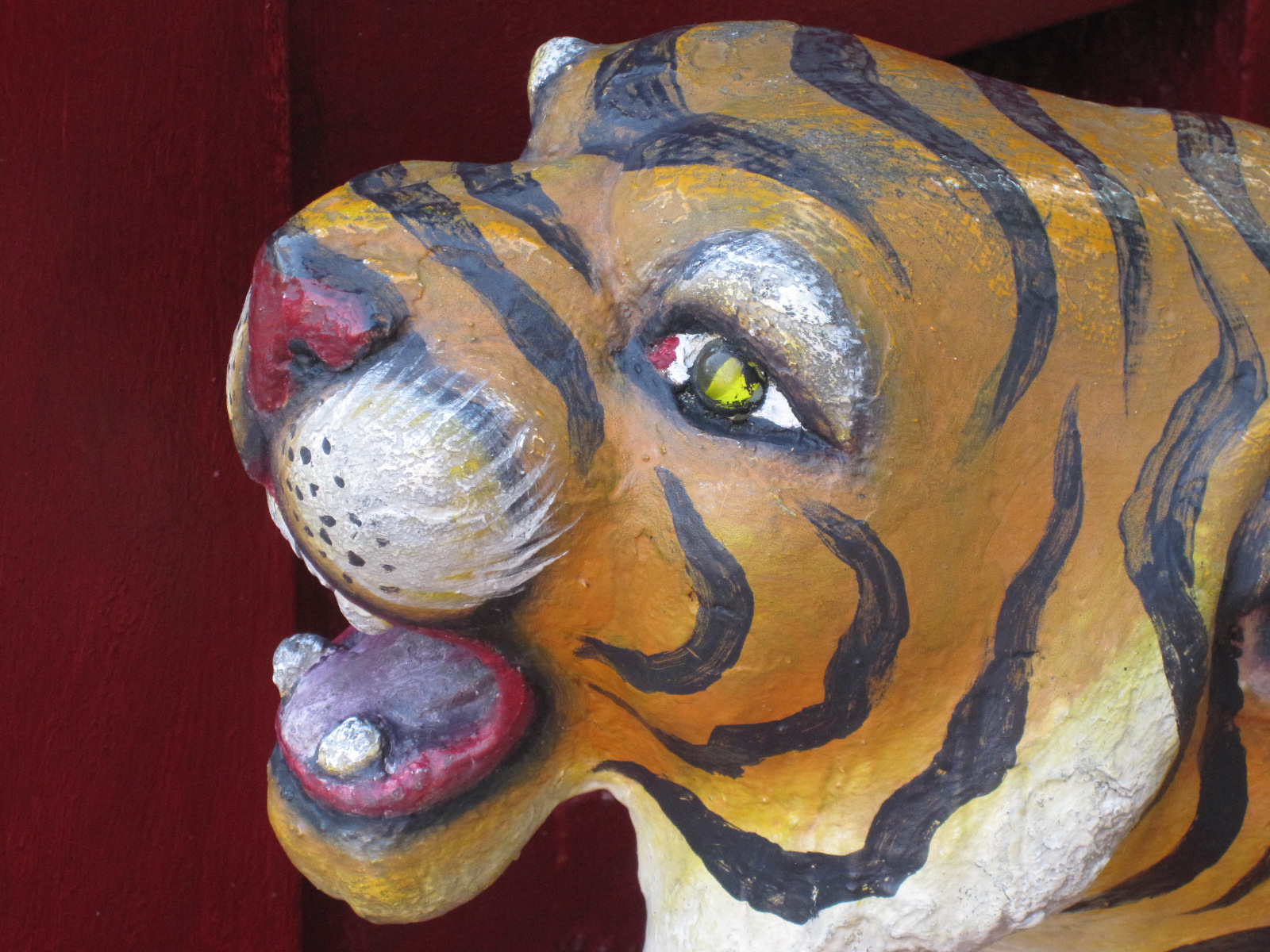
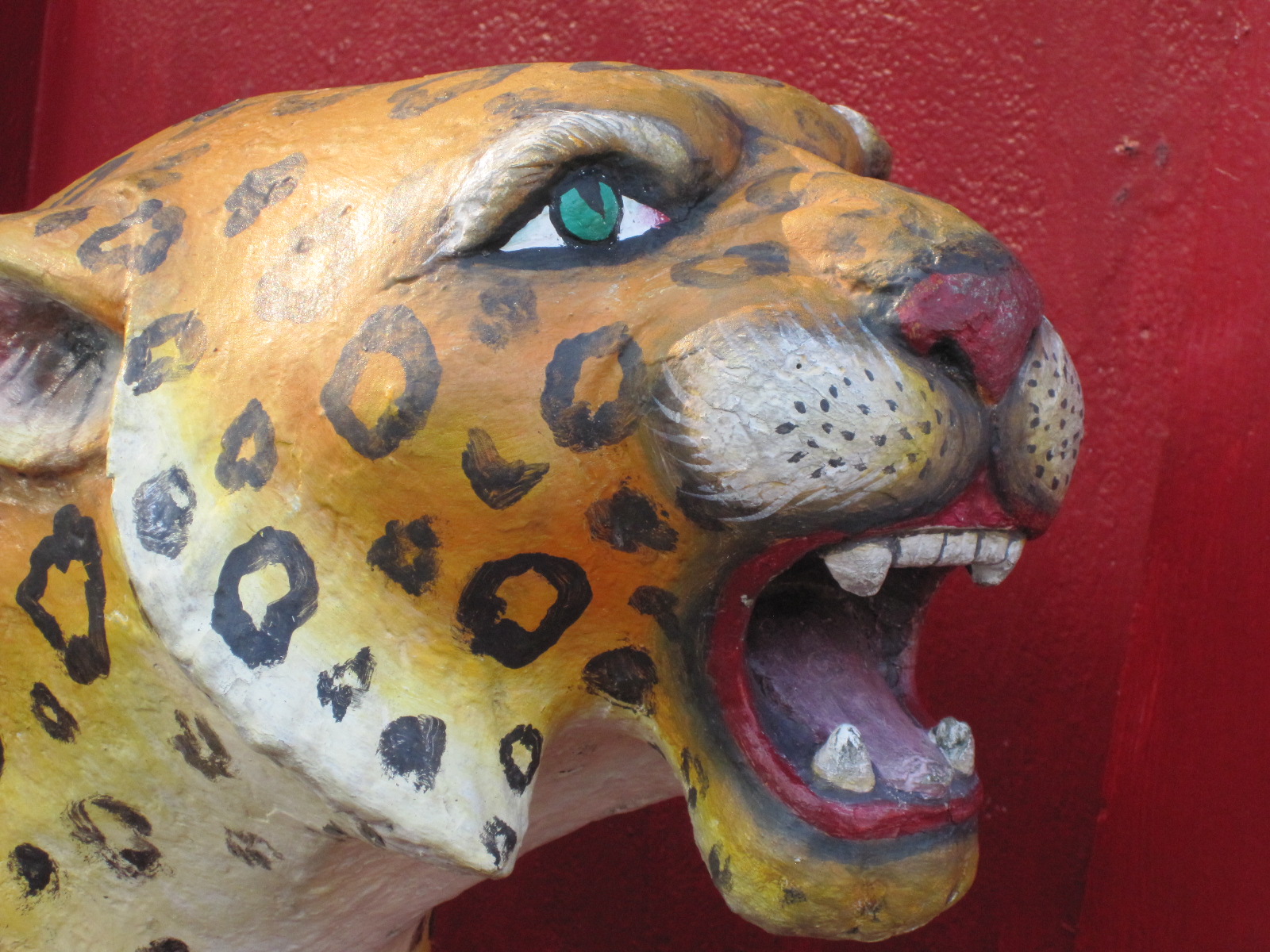
Aw Boon “Haw” literally meant “Tiger” in Chinese and Aw Boon “Par” literally translated as “Leopard”, and this infamous story of Tiger and Leopard is legendary worldwide.
The Aw families with enormous fame overseas has done benevolent contributions to society with this huge garden, till now admission is free for all.

29) Where is this sculpture?
“Chang Kuda” Sculpture
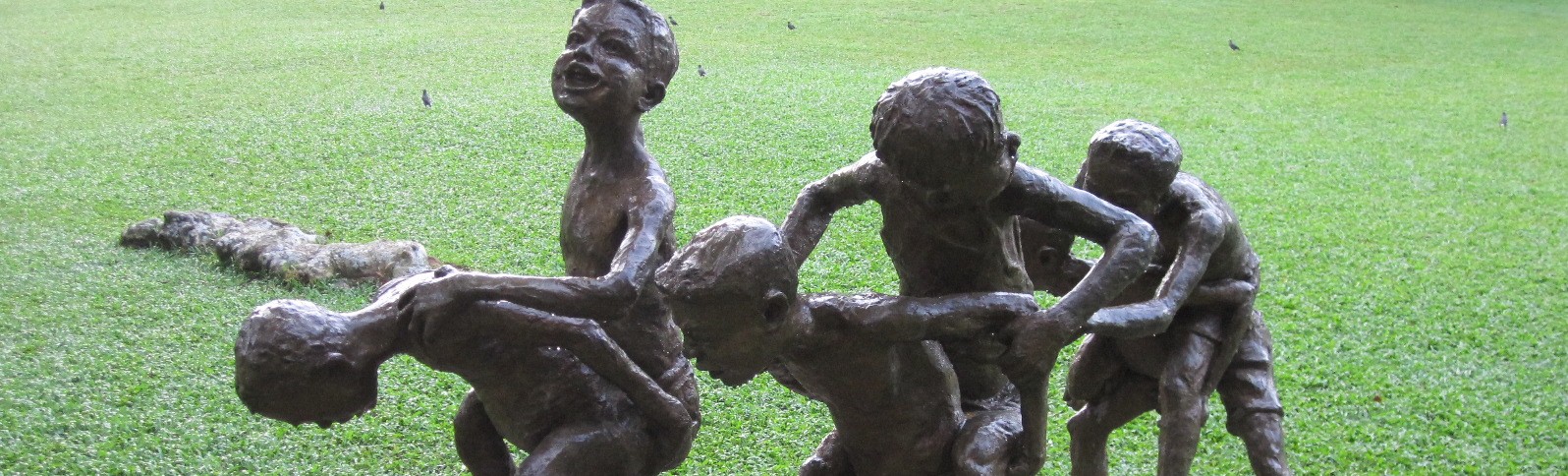
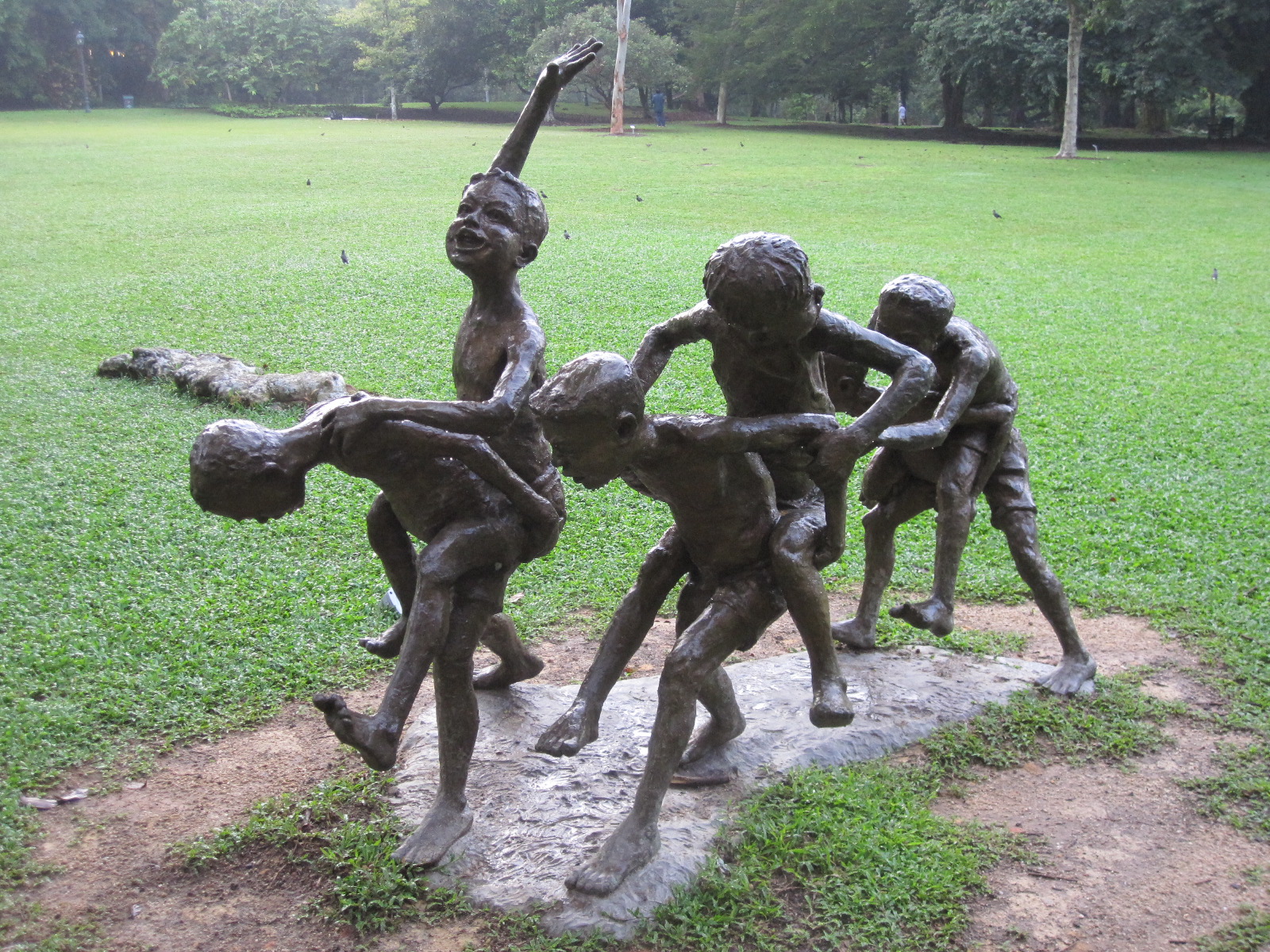
The “Chang Kuda” Sculpture happily enjoying themselves in the Singapore Botanic Gardens. It is situated directly opposite the swan lake below a small hill.
“Chang” in Malay describes “piggyback” where “Kuda” means “horse”. So, it literally means “piggyback on a horse”.
It is a famous childhood game during the 50s and 60s.
This is the work of Sculptor CHONG FAH CHEONG
2) The 5-Dollars Note Tree
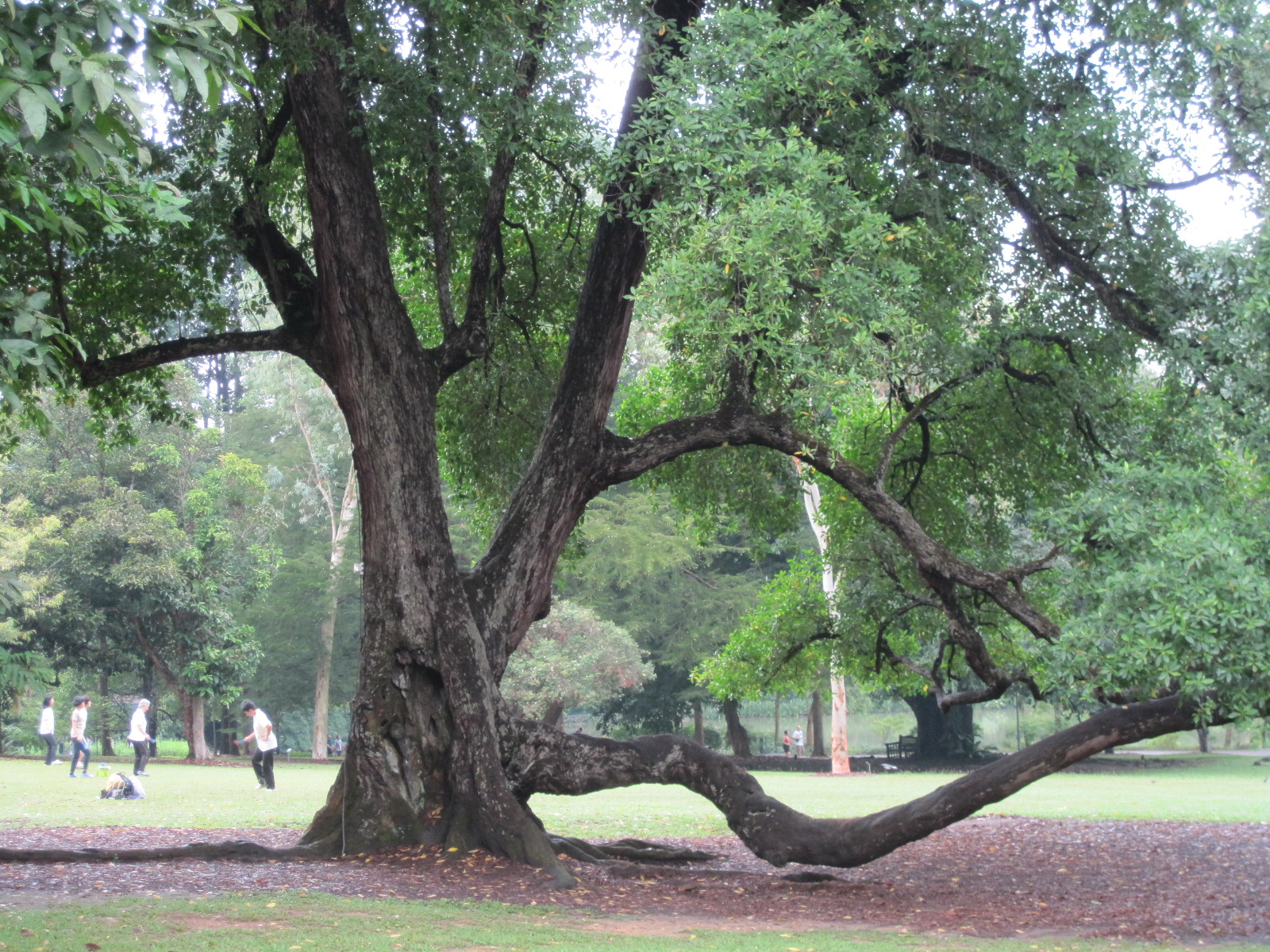
This Tembusu tree is located in Singapore Botanic Gardens, it is best known as The 5-dollars Note Tree. It is believed that the tree was there well before the Gardens were laid out in1859.

Whenever you mention about a 5-dollars note, almost everyone in the nation will relate the sweet and joyful story about the tree. Kids and adults find it irresistible to park themselves on the lower part of the broad branch and taking photos with this chivalrous tree is a familiar task to most of us.
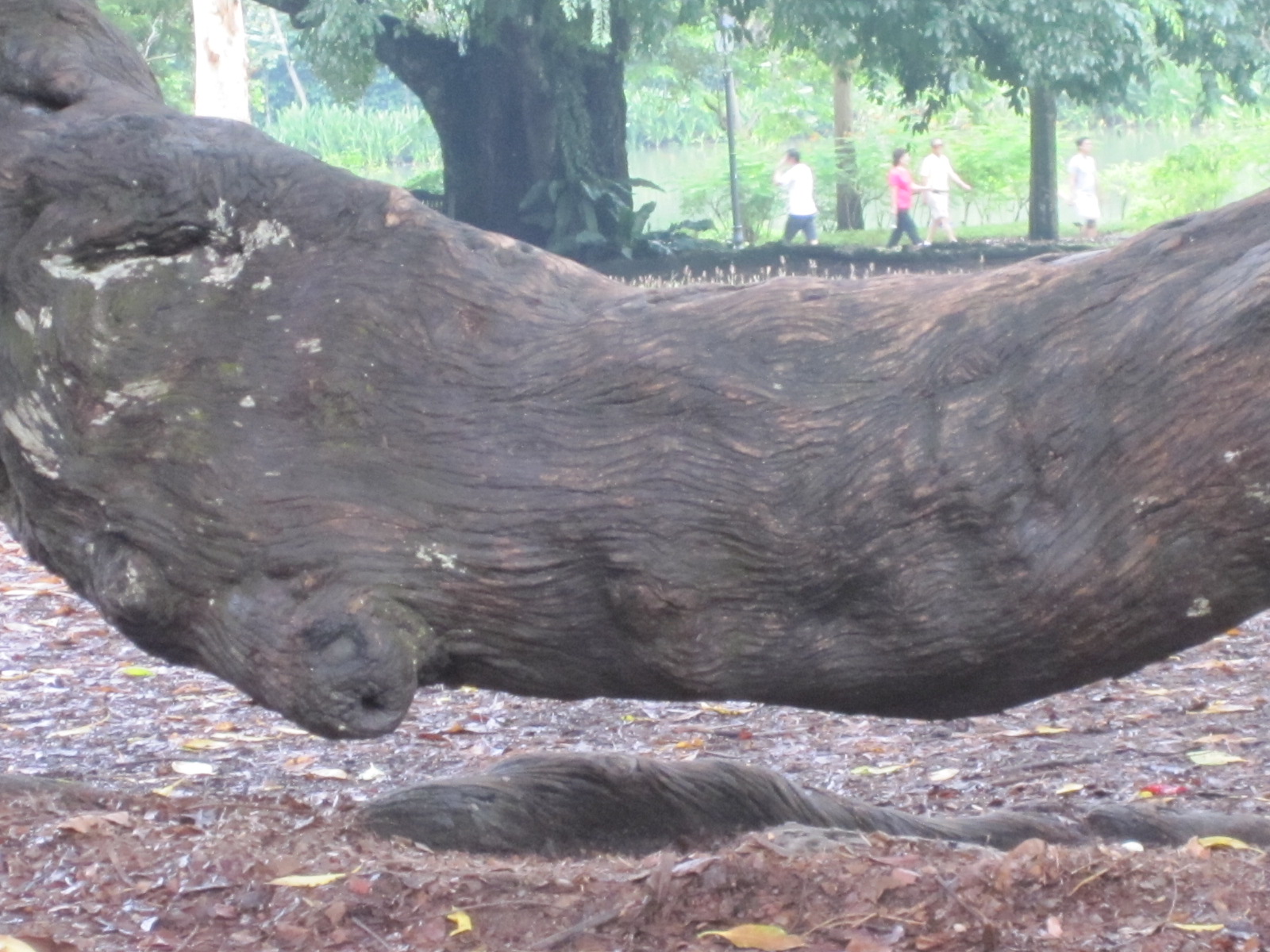
The branch of the tree grown wide and as it is politely lowered with not more than 6 inches before it touches the ground.

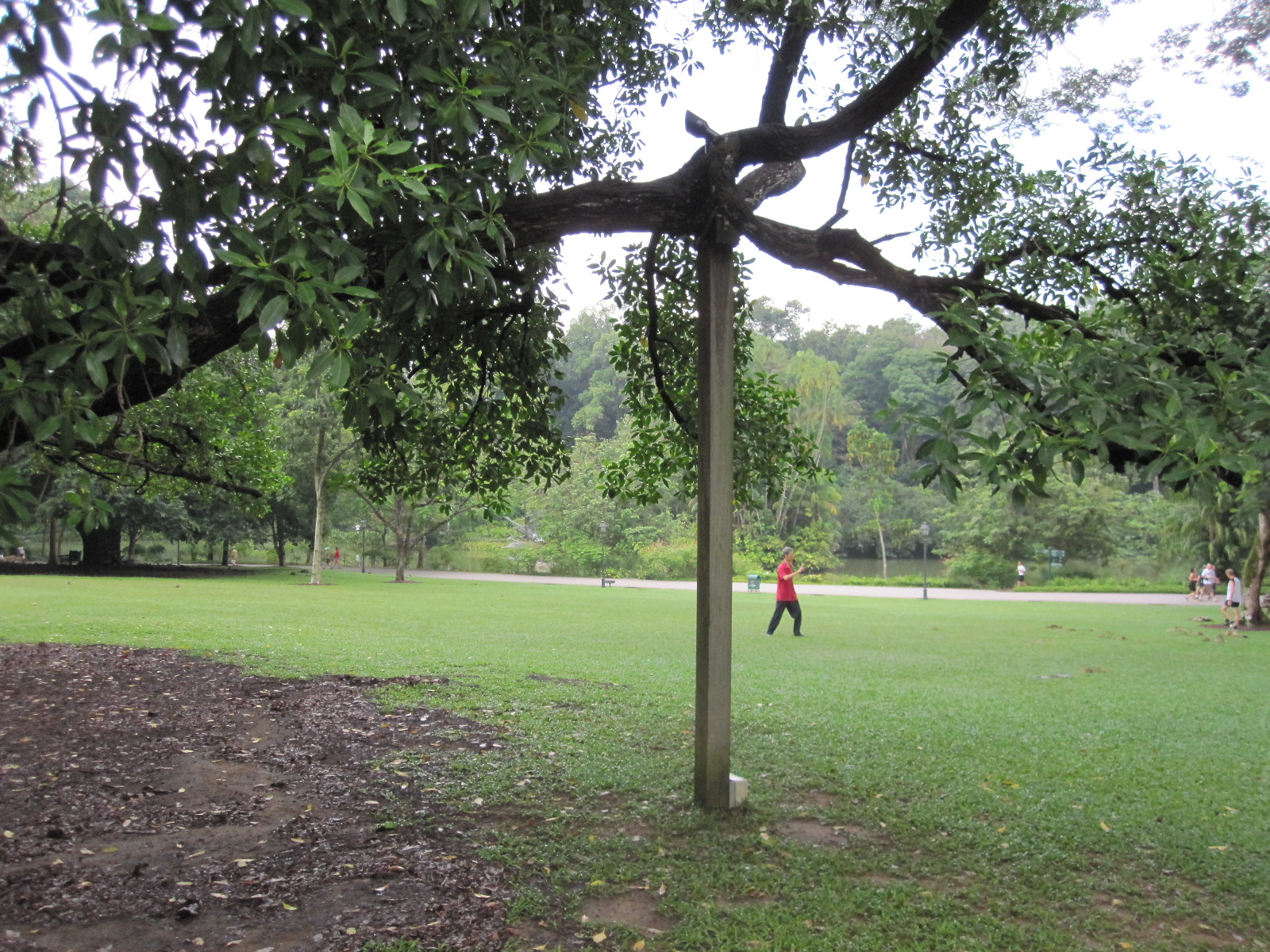
As years go by, the wise turn wiser, the old turn older. Crutches may have become the evidence of a wisdom man.
Now, the gracious wise tree has been conserved by the National Parks under the Heritage Trees Scheme.
8) “Dragon” playground

Following 3 decades, this “Dragon” design playground was born during the 70s to 90s and is still playing on his own, in this little heartland. Together with those newbies that came along with plastic finishes and rubber floor mats, I supposed he is the oldie in the group, looking untouched throughout the traces of the years standing on his sand-based ground.
Paying respect not only to his age, but also to what he has made it to a list of “15 Amazing Playgrounds From All Over The World” which was compiled by magazine website Flavorwire.
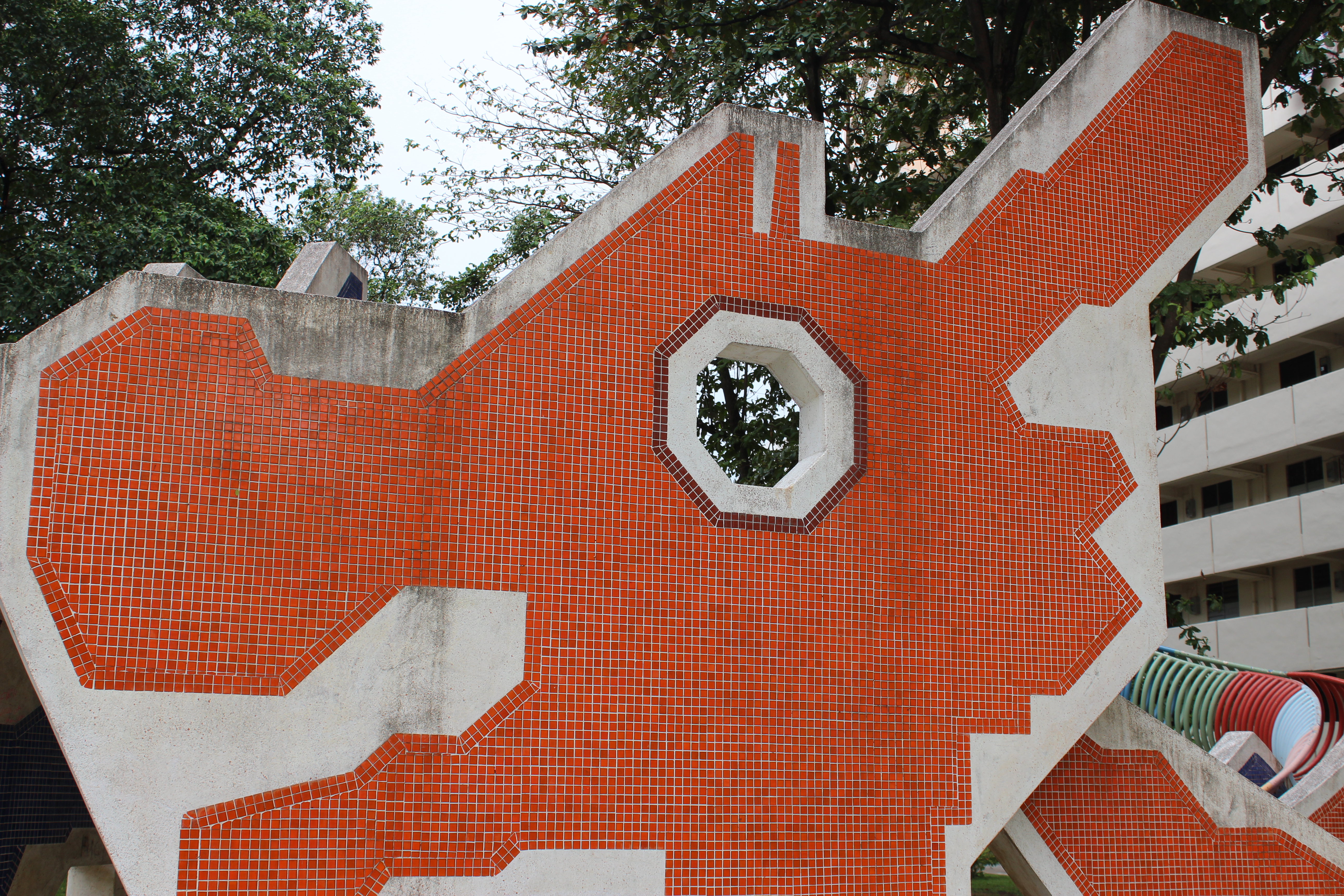
With the remaining of the other three “Dragon” design playground, he is the only one left with sand based.
I am not sure how he feels to stand-alone here, but I am very sure he has many followers and passer-by to pay him a visit and a warm Hi! Reminiscing what a great childhood we had with this guy!

This little cute “sea horse” design resembles a little bone’s shaker, smiling at all ages.
7) “Rainbow” HDB Flats

The “Rainbow” art painted public flat constructed by the Housing Development Board (HDB), I believe there are not many left in this century, where all new overruns the old.
Besides complimenting the art piece, my little mind makes me wonder how the gigantic arc was painted on this big piece of concrete canvas? And how brilliant the designer was indeed. We hardly look up to see a beautiful rainbow, why not stay a bit longer before we turn to the next page of the History.

 AddGrainOnEarth