Singapore Spot a Spot / 点出景点
39) 2 sculptures by the bridge
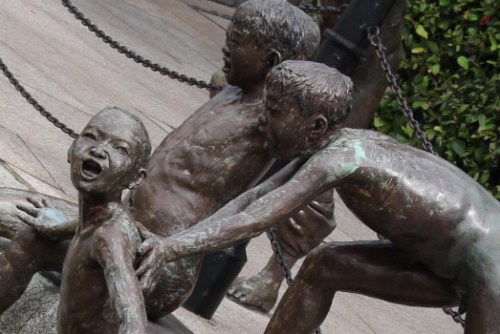
On the left of the Cavenagh Bridge, along the fringe of the Singapore River, there are 5 bronze naked boys frolicking, driving off the bridge for a swim.
This First Generation sculpture halted the movement of olden days kids playing along the river while the river is still polluted by mud and garbage. It is a common sight during those days where children swing on trees and take plunge into the river, an uncommon sight these days.

Sculptor, Chong Fah Cheong designed this lovely piece depicting scenes of early days Singapore. You can see the scene played out all over Asia, though the young laughter of the boys were heard no more.
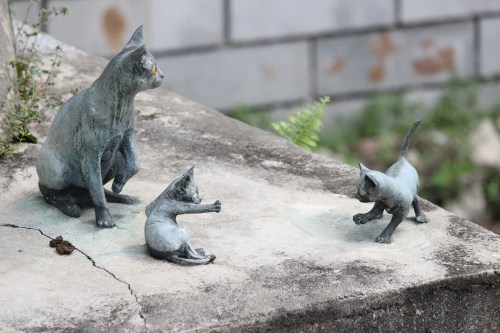
On the right corner of the bridge, a family of Singapura Cat rest themselves there. Kitty mama watches over her 2 lovely kittens frisking happily by the side, though 1 of her kittens was stolen.

Kitty mama guards the heart of Singapore day and night, never missed a single movement along the busy riverside.
38) It’s big, but it’s not the Sesame Street Big Bird!

Where do we see this round butt?
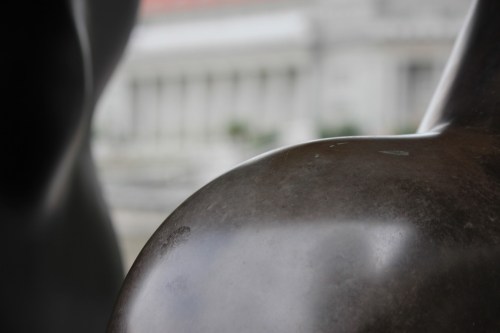
Or is this something else?

“Bird” sculpture is made of bronze, created by renowned sculptor, Fernando Botero. This beautiful 3-dimension art piece signifies the joy of living and the power of optimism. It has a “vital statistic” of 245 x 310 x 250 cm and is located outside UOB Plaza, next to Singapore River.
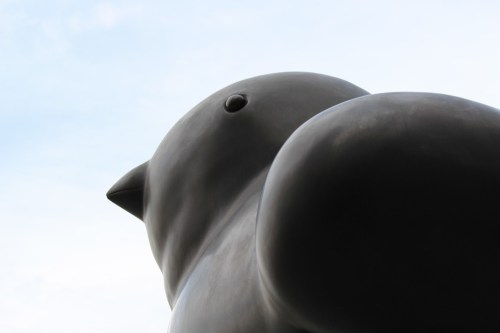
UOB (United Overseas Bank) believes so long as there is peace and optimism, the nation will continue to grow and prosper.

Personally, I like its shape in round form. It epitomizes an eternal strength and inspiring hope to every passerby.

“Bird” join tip with the UFO-like Supreme Court

Viewing through “Bird” underneath is the 5-star Fullerton Hotel, it’s a breezy view.

“Bird” under the blue sky, waiting to take wing.
37) Brother Bridges to Chinatown
There are two bridges leading us from the direction of east to Chinatown.
One is on the left, the “Elgin Bridge”, while the one on the right is “Coleman Bridge”.

Elgin Bridge was built as an unnamed footbridge in 1819. The existing bridge was built in 1929 and named after Lord Elgin (Governor-General of India). It was the first bridge across Singapore River that linked two roads to Chinatown core, South Bridge Road and North Bridge Road.

The second one is Coleman Bridge, which was built in 1840. It was the second bridge built across the Singapore River. Designed and named after an Irish, George Drumgoole Coleman, Singapore’s first architect.
In 1865, the original brick bridge was replaced by timber. And in 1886, an iron bridge was built to replace the wooden one.
To withstand the increasing heavy traffic flow, the iron bridge was finally demolished in 1986 and replaced with the present concrete bridge while the iron lamp post and railing were retained under historical conservation.
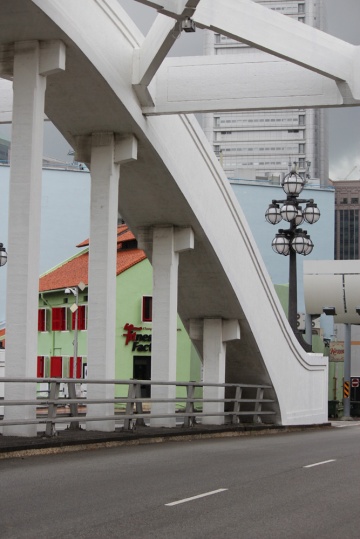
Day and night, Elgin Bridge stood still as strong as an iron man, bearing travelers without any complaints.

Ferry with tourist sight seeing the landscape of Singapore River.
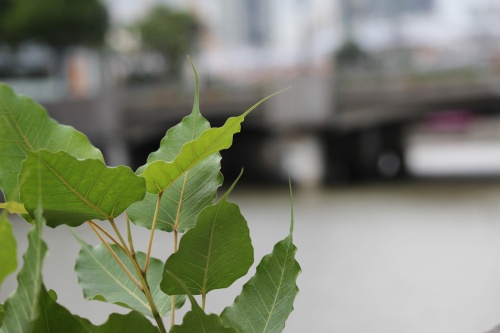
The little Bodhi tree witnessing the hustle and bustle of our footsteps and the history of the two bridges in the heart of the Singapore river.
36) How many windows are there in this building?
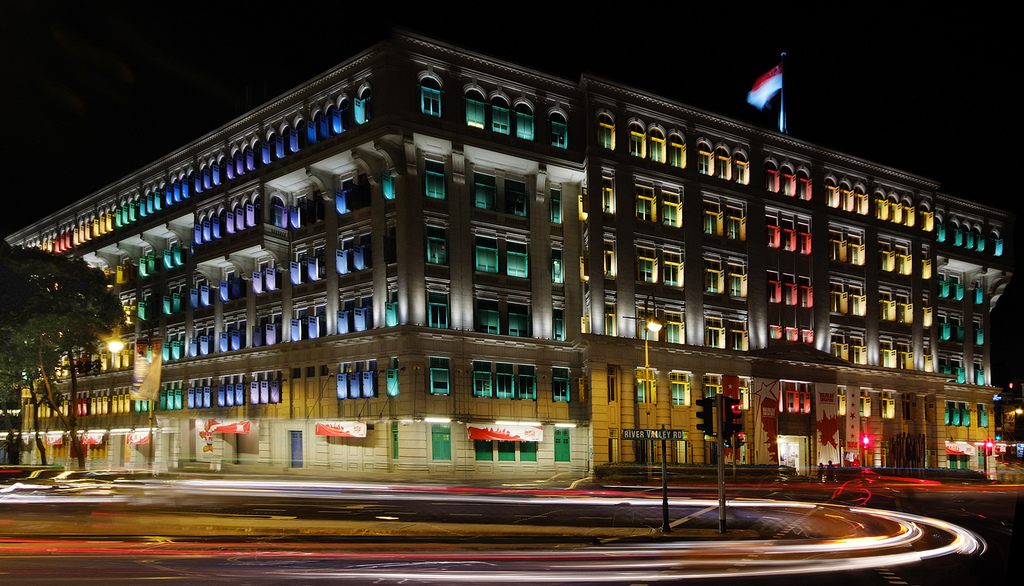
MICA Building is located at the junction of Hill Street and River Valley Road. This prominent colonial building was built in 1934. It was the largest government building and modern skyscraper at that time.
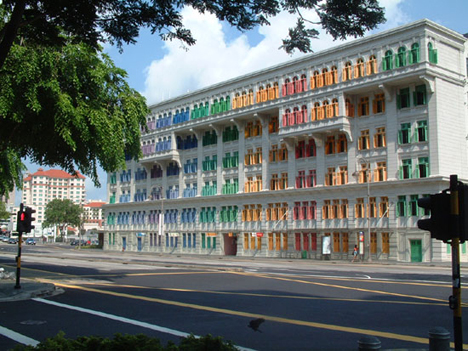
The historical building was built as a police station. To ease the entrance of the building, the steep slopes of Fort Canning Hill had to be cut back to provide access.
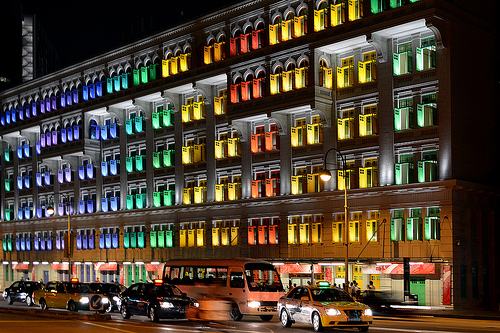
The colonial landmark, now home to the Ministry of Information, Communications and Arts (MICA) is also known as the Old Hill Street Police Station as it was used to house the Police Station and Barracks.

Total numbers of 927 rainbow-painted timber frame casement windows never fail to draw the attention of passerby. It makes the streetscape more lively and vibrant.
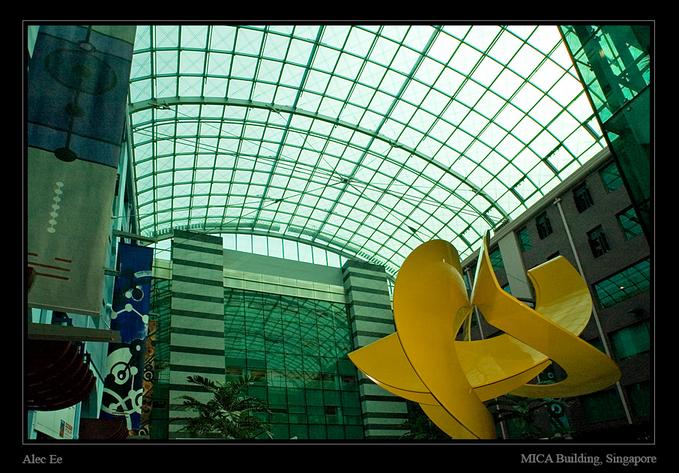
Sunlight casting through the skylight, landing on the interior exhibition gallery, not only egg-on more inspiration but gives a natural touch to art and this distinctive building.
35) Where is your Bandstand?
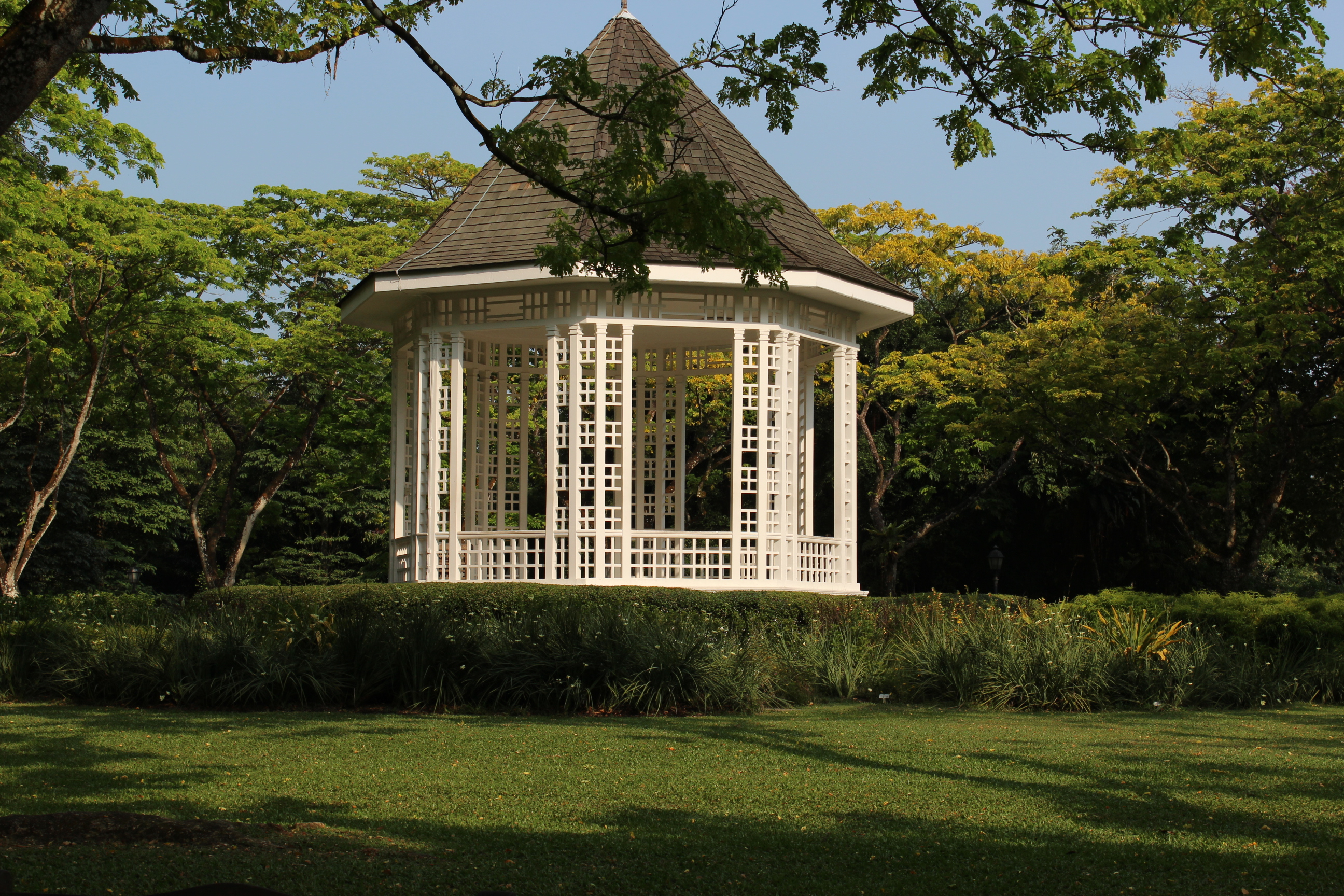
This is the only bandstand in my memory since childhood. For some, when you ask the question around, the answer might not be great difference. Yes, we are back to Singapore Botanic Gardens again.
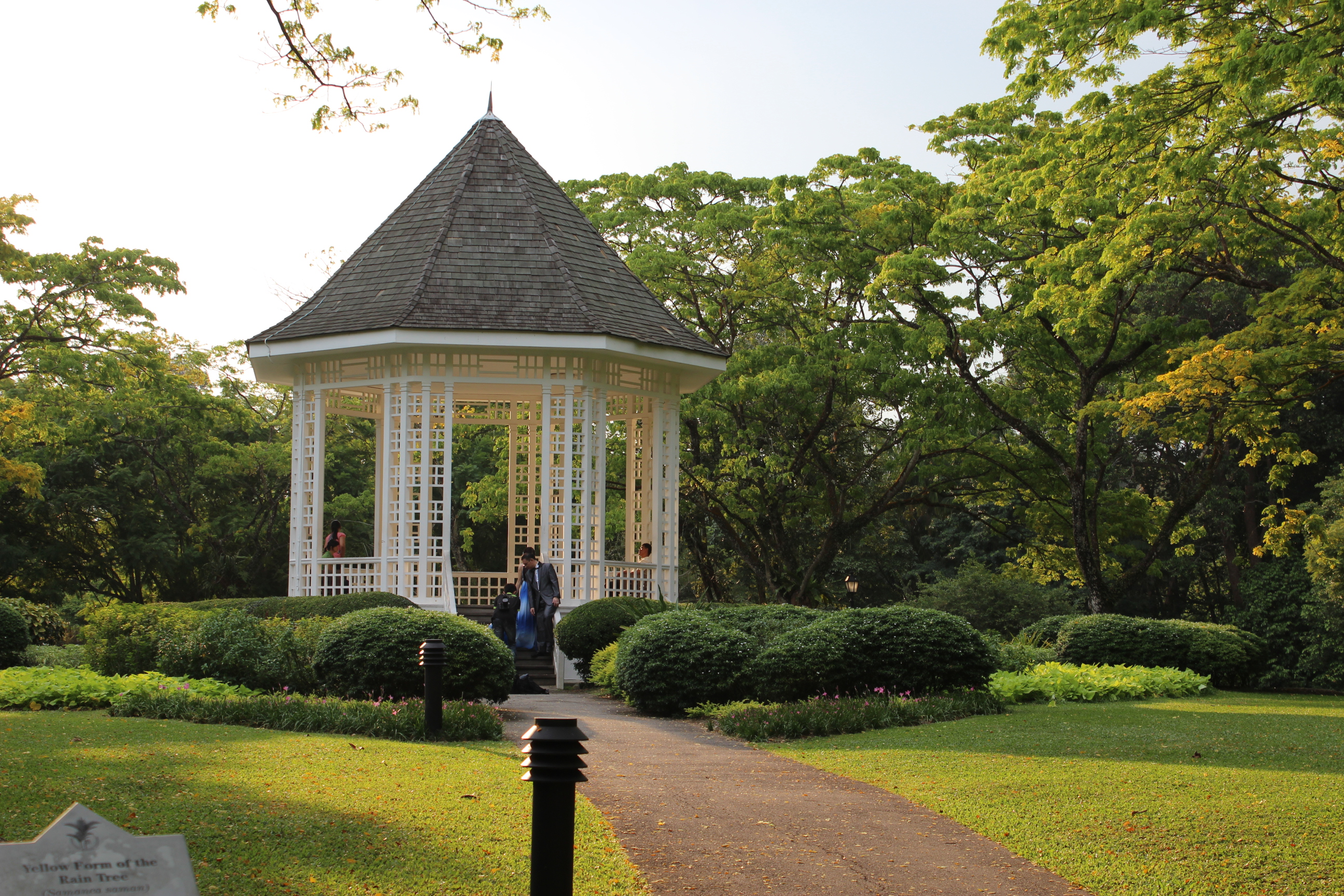
With fair skin and elegant appearance, this octagonal classic beauty was refaced in 1930. It was erected in the 1860s as a focus point of Botanic Gardens. For sure, that was our grandparents or even our great grandparents’ time. But it has retired from its military band performance. So, let’s listen to the musical flow in the charming winds and cicadas’ call.
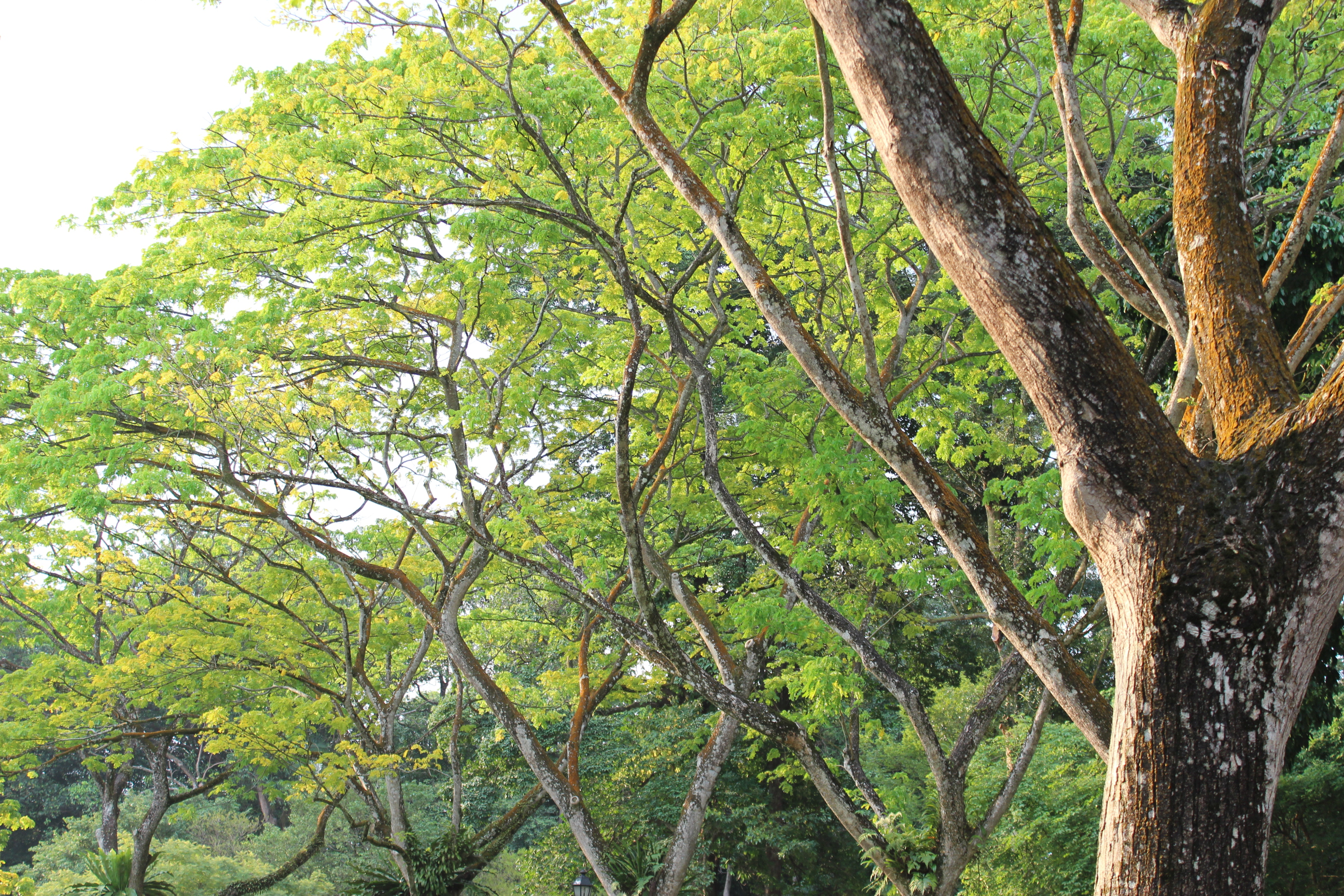
And so, where is your Bandstand? Mine is in this lovely garden. Anywhere, in any of its piece of greenery!
34) What so special about this ceiling?

This is the main reflective roof ceiling of Singapore Changi Airport Terminal 3.
This unique roof has a second name – “butterfly roof”. As the name has it, the butterfly-like automatic reflector panels open up its wings and reflect natural light from the open skylight and illuminate the open space beneath.

The daylighting system helps to reduce energy usage by minimizing daytime use of artificial lightings. It also results in decreased cooling load for air-conditioning.
During the night, the skylights will be lighted up by artificial lightings, and the reflectors will do the same job as in the day as an Eco-Ambassador.
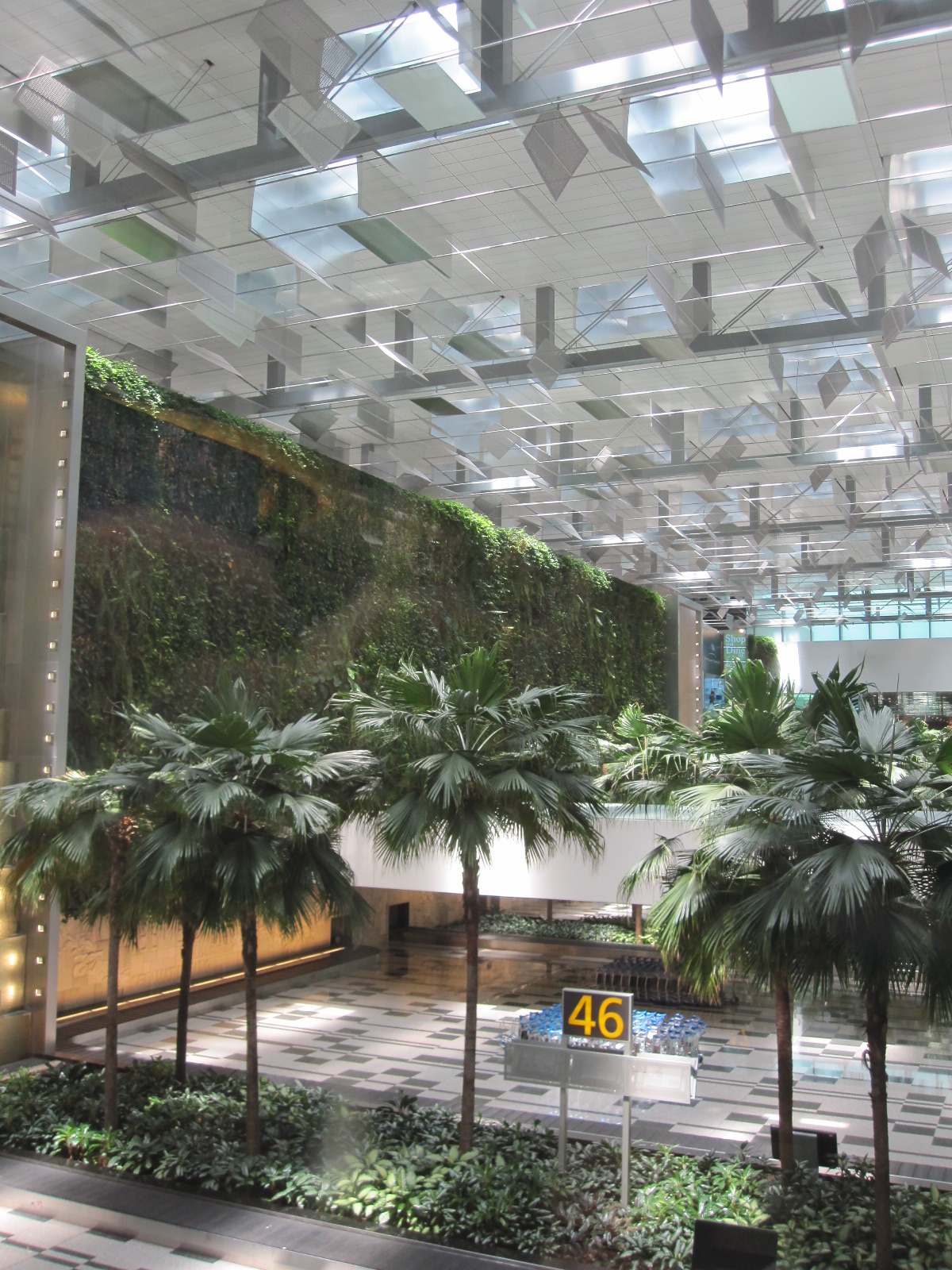
Beneath the impressive roof, a distinctive 15m high vertical garden call The Green Wall, spanning 300m across the building enjoys and dances in the light of glory.

When you look up the ceiling, you see a group of eco designers spreading their warm gestures and friendly handshakes. That is where I salute them with the great job they have done to conserve energy and our environment.
33) Where can we spot these two sculptures?
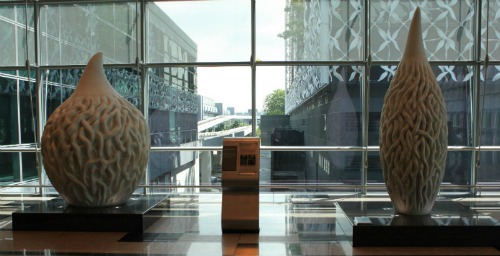
The pair of sculpture is located at Singapore Changi Airport, Terminal 3, near the entrance of Crown Plaza Hotel.

The lovely sculpture mold under the hand of Sculptor Han Sai Por, is hewn from “Han Bai Yu”, a natural stone from Yunan, China.
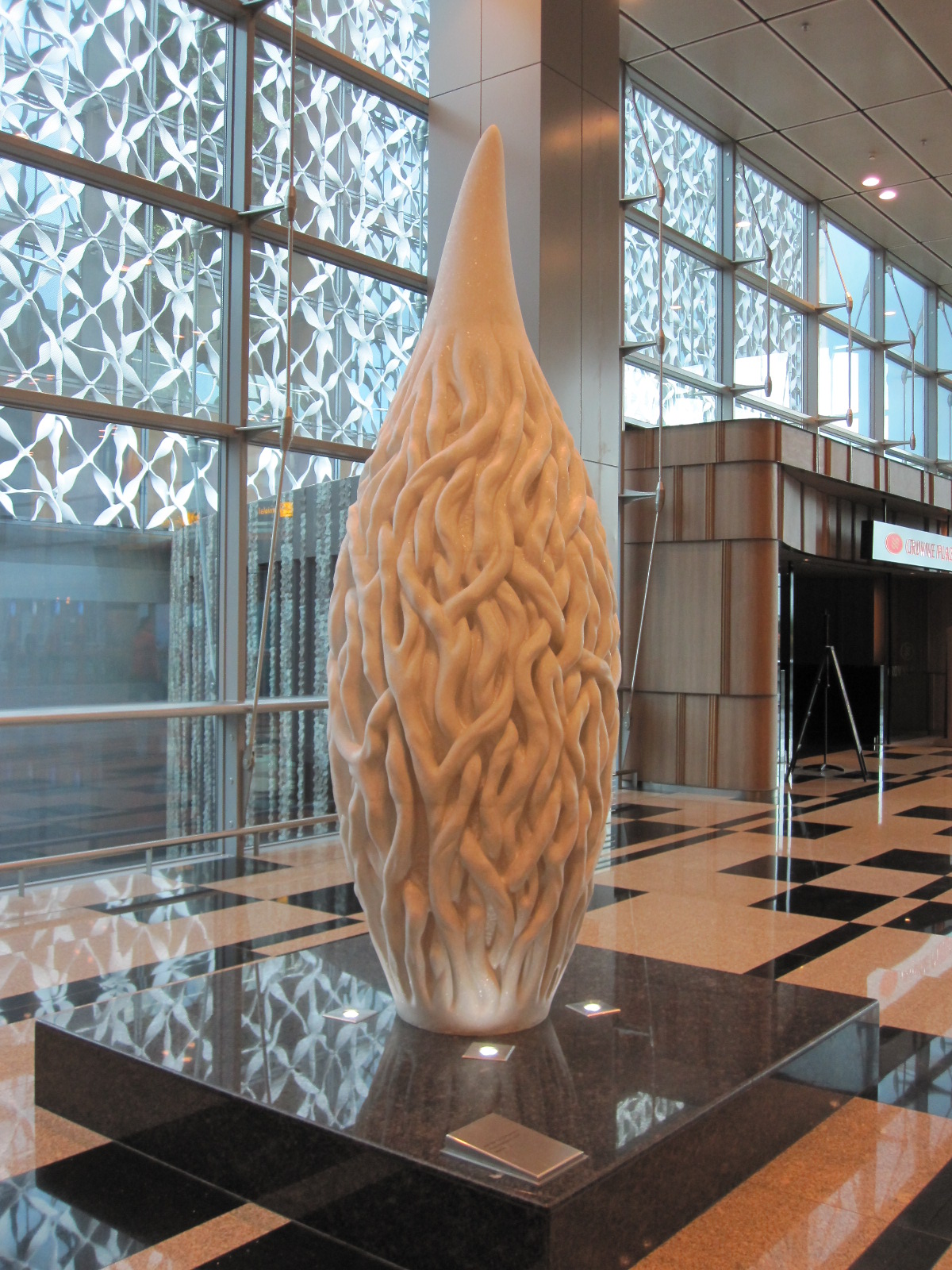
The form symbolizes Singapore as a Garden City as it continuously grows and blooms.
32) Lady on a Hammock
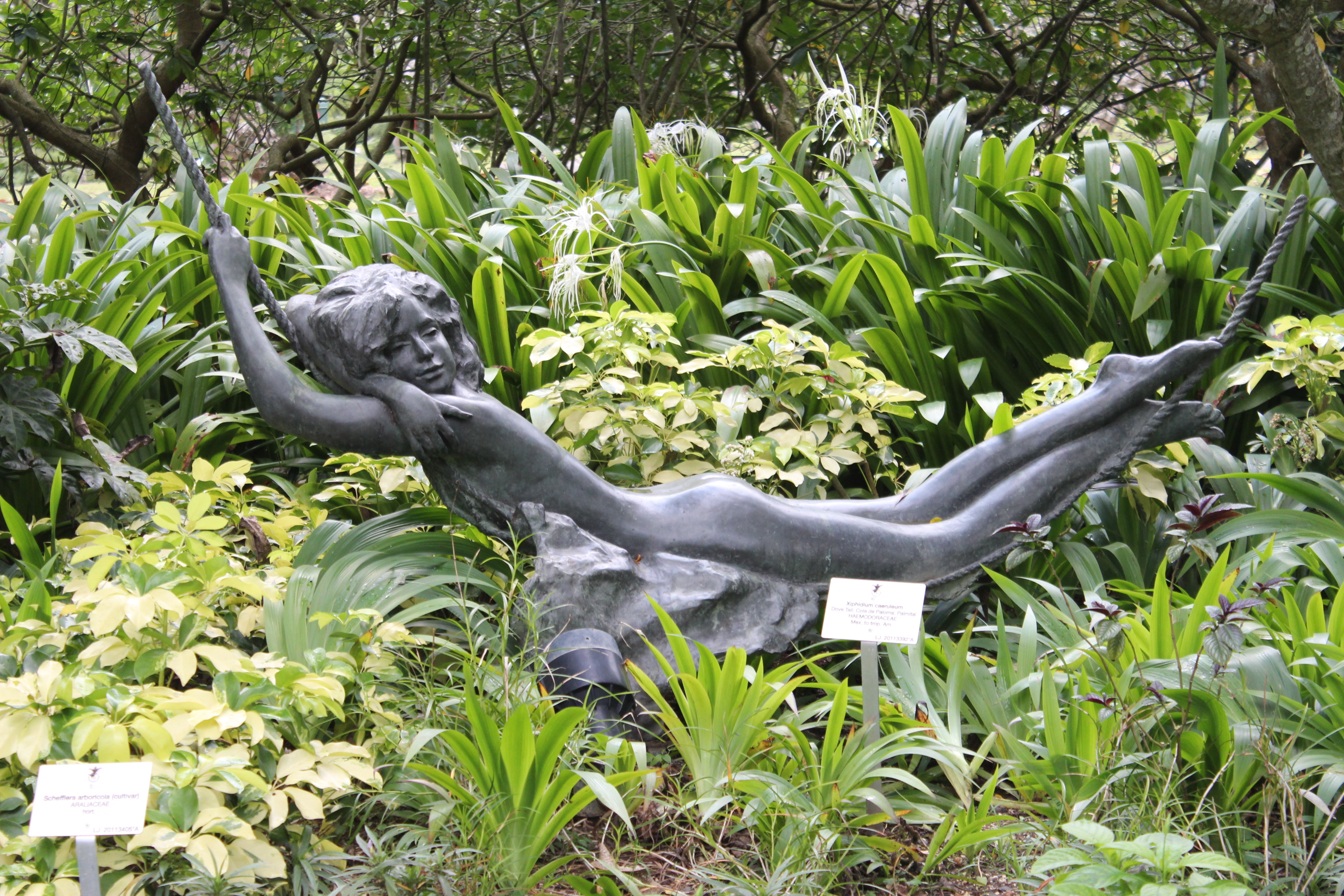
I am a lady swinging on a hammock
We are sculptures and the lovely all
Come and see us, you will know us more
To the Singapore Botanic Gardens just for a walk
Enjoy the trail and the nature fall
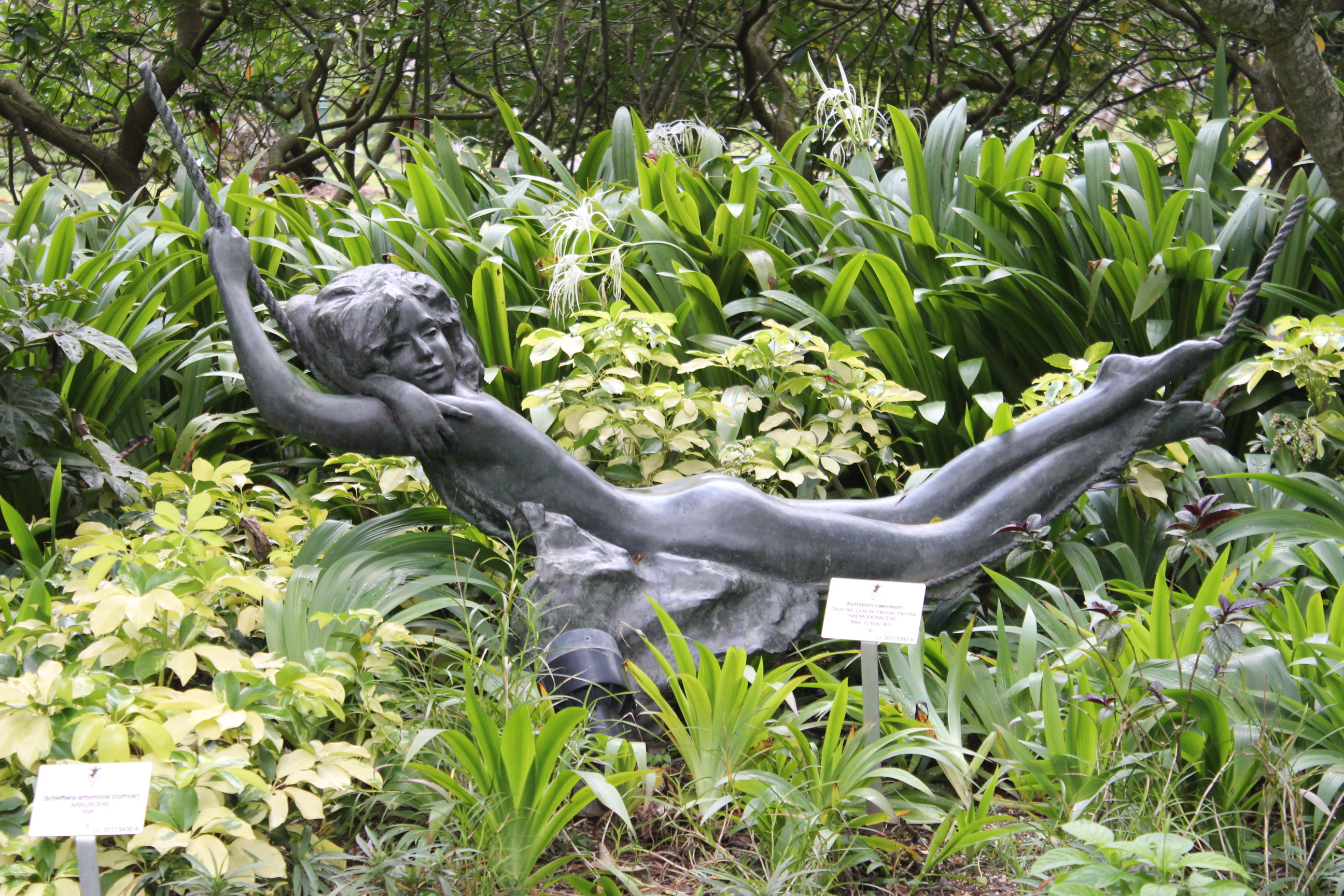
This is a sculpture at one corner of the Botanic Gardens
This simple poem is written and dedicated to the great artist, Sydney Harpley R.A and great man Mr David Marshall who commissioned and presented this art piece in 1989.
31) What so special about this tree?
An usual tree that is unusual
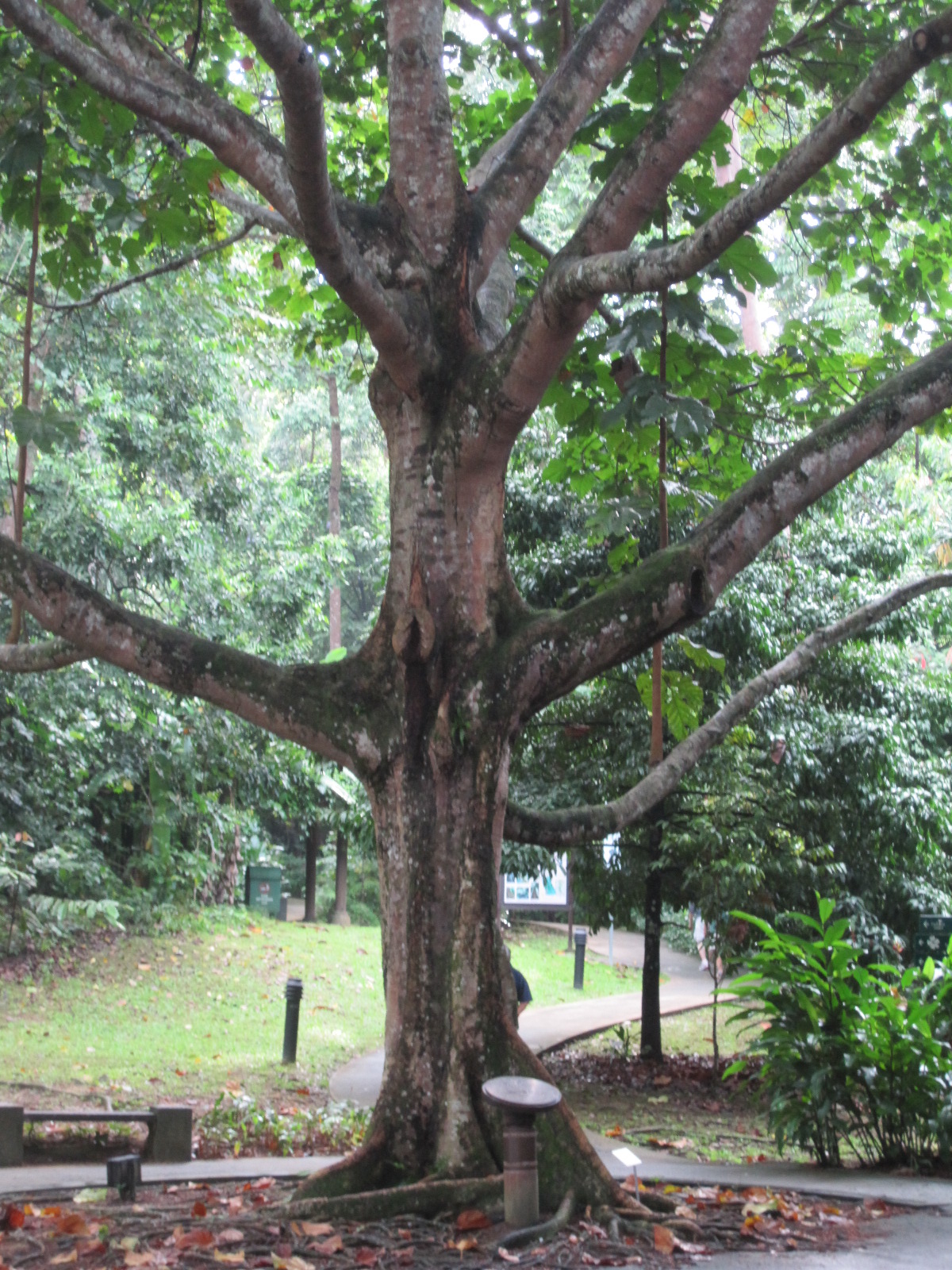
This tree may look normal to us. It is a tree of tropical rainforest which require humid climate though it can withstand dry season.
It is as special as its dedication to Mr Nelson Mandela, President of Africa who visited the Singapore Botanic Gardens 15 years ago, on 5th March 1997.
This Giant Cola Tree is among one of the Tree of Fame in the gardens
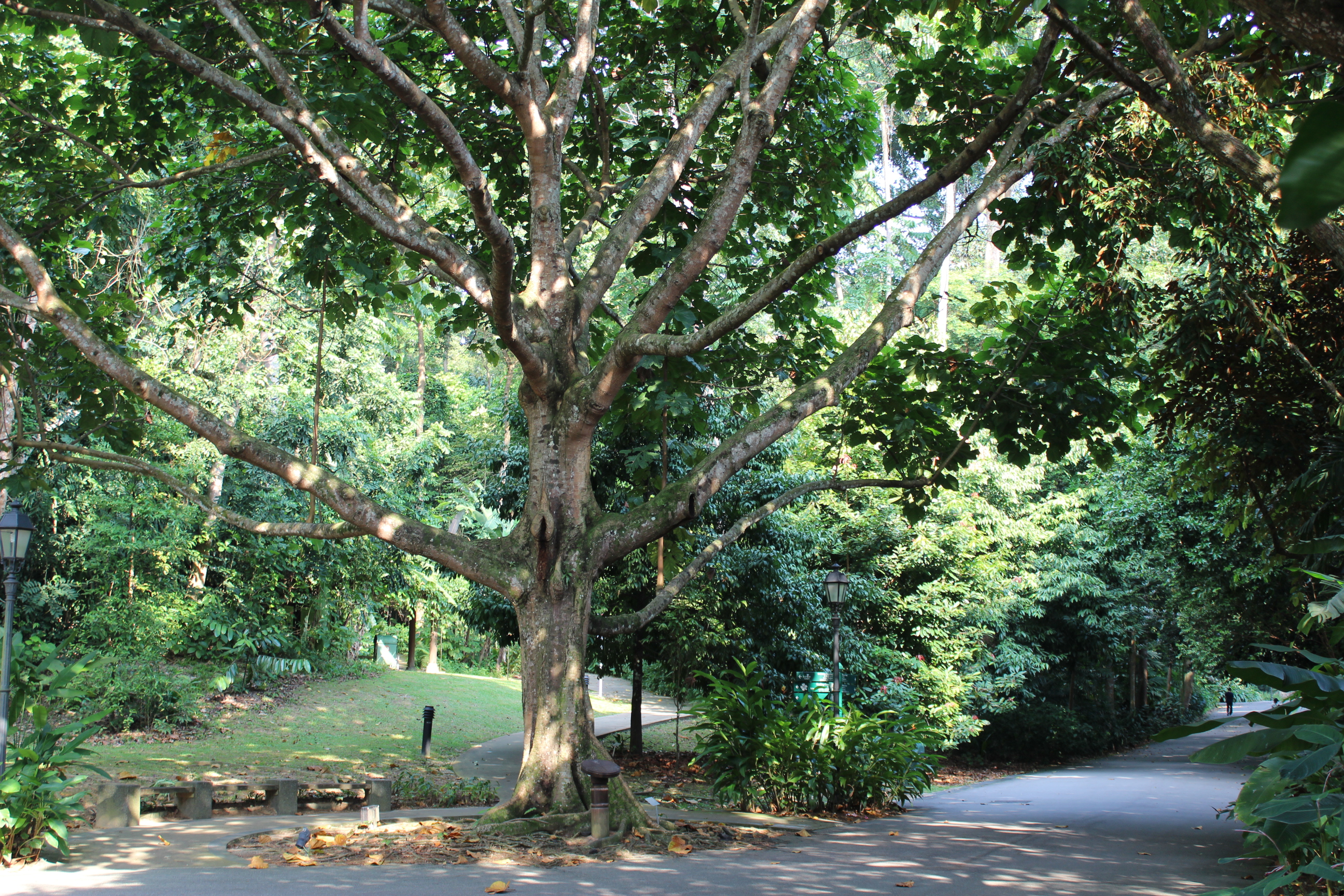
The extracts from nuts of related species are used in cola drinks and food items. The cola nuts contain caffeine. Chewing cola nuts can also ease hunger pangs and was thought to be remedies for whooping cough and asthma.
This is certainly an usual tree that is very unusual.
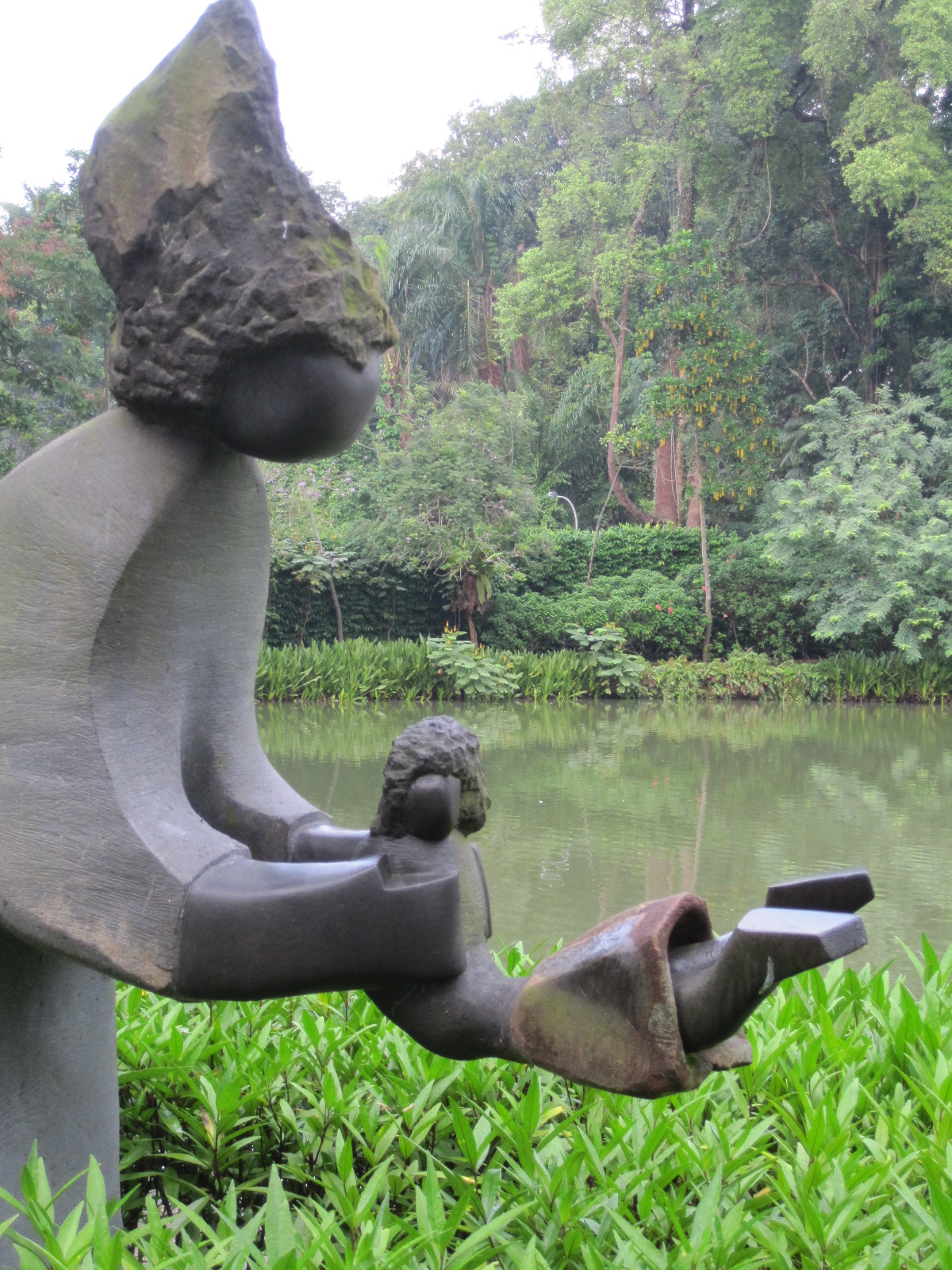
30) Where is this sculpture?
“SWING ME MAMA” Sculpture
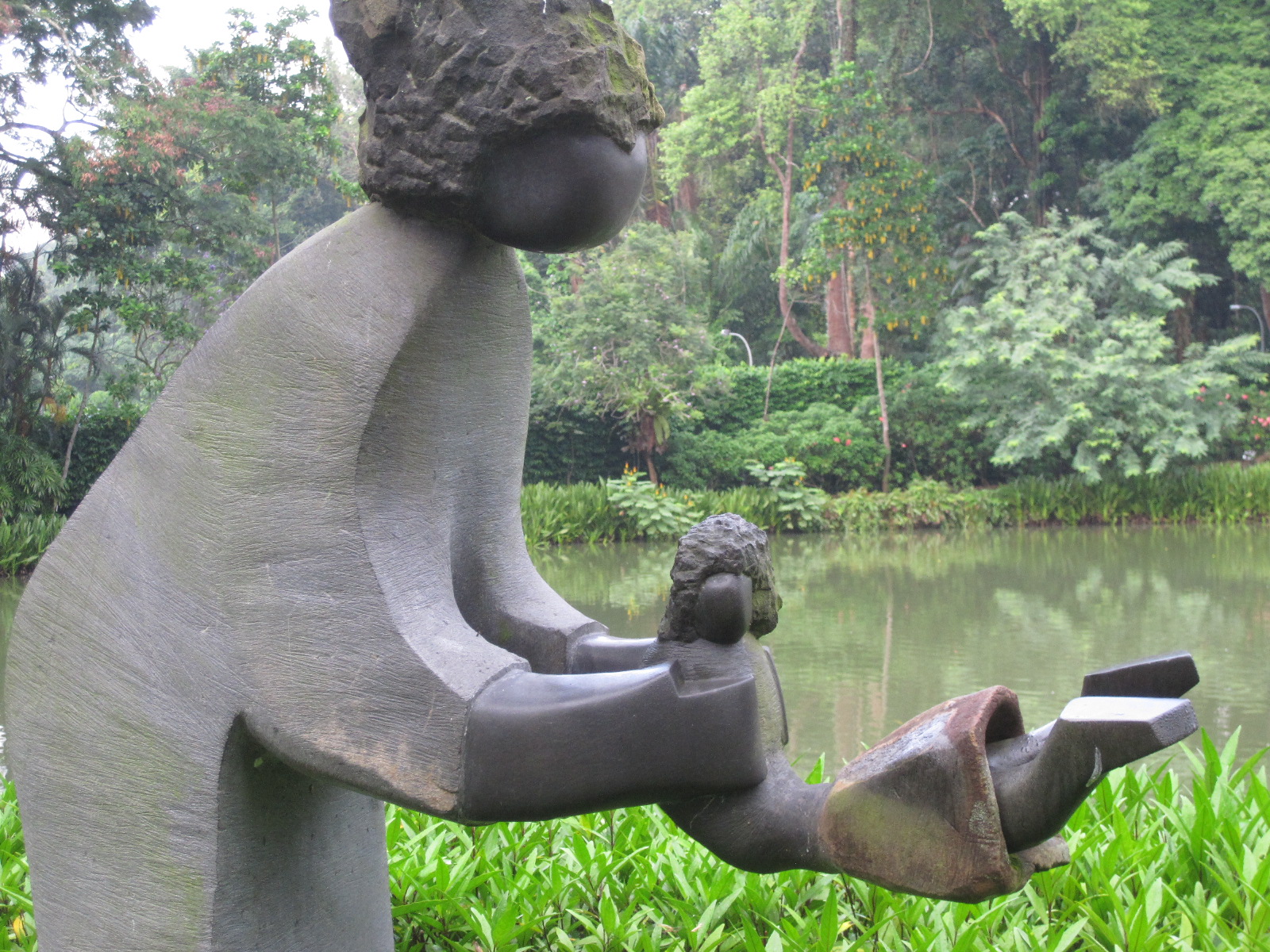
The beautiful art piece named “Swing Me Mama” is located next to the swan lake of the Singapore Botanic Gardens
It is made of serpentine spring stone. The sculptor, Dominic Benhura from Zimbabwe created this beautiful piece of work through the inspiration of his kids while he was trying to swing them.
 AddGrainOnEarth