photography
14) Where is your Tunnel of Memories?
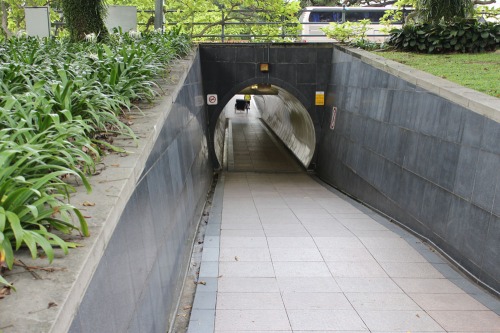
If you asked around the locals about this pedestrian tunnel, they will concur with a smile of contentment. This is a well-known pedestrian tunnel connecting Queen Elizabeth Walk (Esplanade Park) to Empress Place. Apart from crossing over on the Fullerton Road that leads to Anderson Bridge, this is a leisure way to enjoy the beauty of the Singapore River. In the past, it’s a park where families spent their weekend on. Couples holding hands, dress up like super stars in their bell-bottom pants meet up in the park. Gone were those days, where happy couples, groups of youngsters, families with kids gathered around on weekend in this memorable park of pride. It leaves good memories in most children in the 60s/70s.
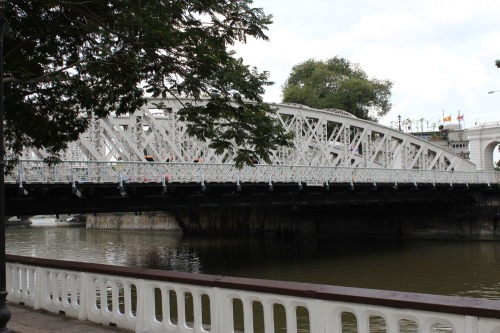
On top of the tunnel is Anderson Bridge, a famous local landmark visited by countless.
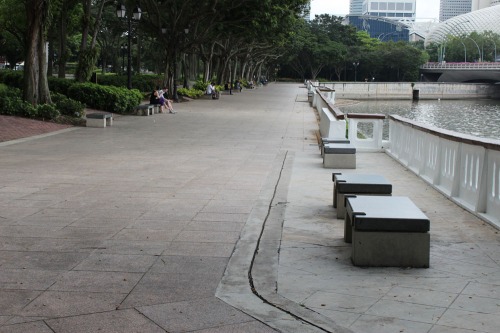
The concrete parapet wall remains the same standing under the rain and sun unlike the landscape of Esplanade Park that has changed tremendously.
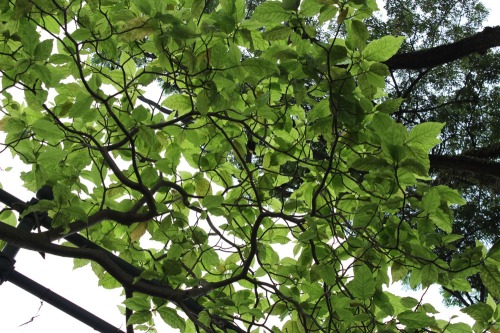
It is quite amazing to see those trees still standing green and lavish while those who once saw them were long gone…
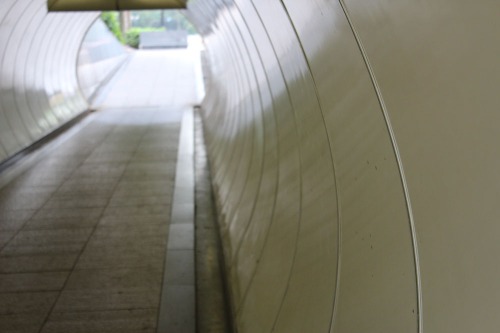
This is my tunnel of memories, where is yours?
Friend (23) – Falling is Just Another Form of Dancing / 朋友- 跌倒又跳舞
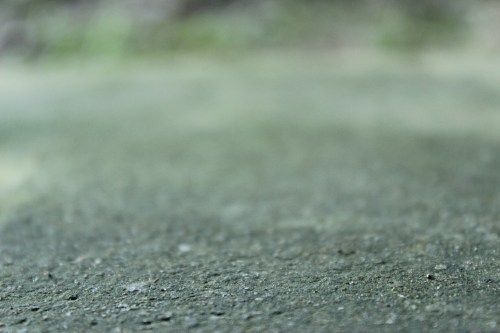
Road, it is born for us to tread on. For a life time, we flatten and walk on it for countless time. Yet, when it is uneven, we start to complain about it, and when we trip on it, we grumble on our own bad luck.
Yet, if you are lucky, you board the broad sunny way with pleasant scenery and you say, “well, I created my own road”. Then, many a times, we step on mud, collide with stones, cross the tough Himalayas, go against the tide of the Atlantic. And again, this is the time you started to question yourself on the road you are travelling.
The day I nearly slip and fell on a mossy floor along the corridor. In the midst of panic, I felt I fell with a beautiful stance, and started to understand the fact that a fall can be swift, yet graceful and poise.
Life is filled with swiftly changes and it is a stage with ups and downs. Rather than complaining it being slippery, why not help things along; have a dancing fall, slide out your steps with a spring, as Spring is not far away from us!
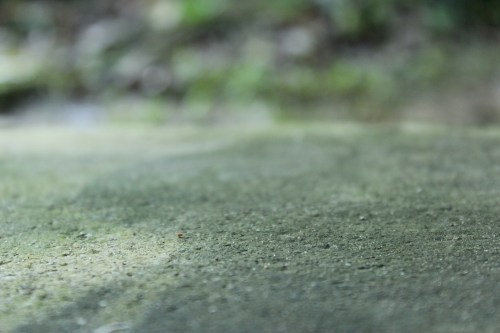
路,它一生下来就被人踩,我们一路踩在它身上,一生一世不知来来去去走过几回。它一不平坦我们就抱怨连天,一打滑就怪自己运气不佳。
如果幸运的话,上了康庄大道,一路上风和日丽,景色怡人,你说路是自己走出来的。但很多时候事与愿违,很不幸地踩到的都是烂泥,碰撞都是石子,跨的是喜玛拉雅山,逆流的是大西洋。这时你又会不竟地问这是一条什么样的路?
那天我差一点在有青苔的走廊上打滑,慌张之余,感觉自己跌倒的姿势蛮美的,领悟出其实跌倒也要跌得优美,跌得韵味,跌得坦然。
人生舞台起起落落,与其埋怨路滑,不如来个顺水推舟,以跳舞的方式跌倒,滑出一个春天,反正春天离我们不远了。
39) 2 sculptures by the bridge
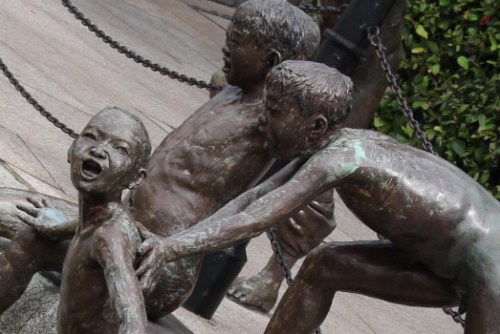
On the left of the Cavenagh Bridge, along the fringe of the Singapore River, there are 5 bronze naked boys frolicking, driving off the bridge for a swim.
This First Generation sculpture halted the movement of olden days kids playing along the river while the river is still polluted by mud and garbage. It is a common sight during those days where children swing on trees and take plunge into the river, an uncommon sight these days.

Sculptor, Chong Fah Cheong designed this lovely piece depicting scenes of early days Singapore. You can see the scene played out all over Asia, though the young laughter of the boys were heard no more.
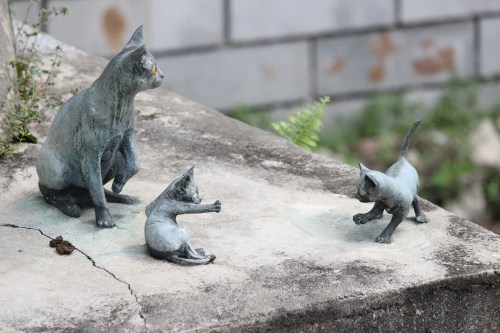
On the right corner of the bridge, a family of Singapura Cat rest themselves there. Kitty mama watches over her 2 lovely kittens frisking happily by the side, though 1 of her kittens was stolen.

Kitty mama guards the heart of Singapore day and night, never missed a single movement along the busy riverside.
38) It’s big, but it’s not the Sesame Street Big Bird!

Where do we see this round butt?
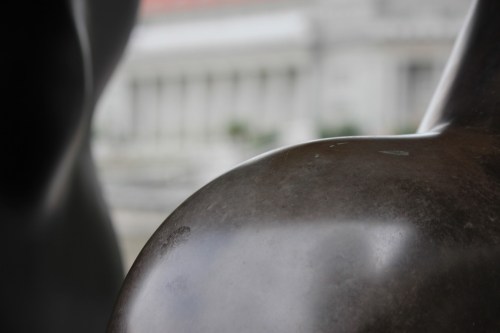
Or is this something else?

“Bird” sculpture is made of bronze, created by renowned sculptor, Fernando Botero. This beautiful 3-dimension art piece signifies the joy of living and the power of optimism. It has a “vital statistic” of 245 x 310 x 250 cm and is located outside UOB Plaza, next to Singapore River.
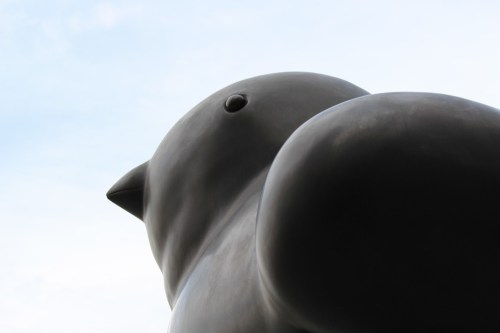
UOB (United Overseas Bank) believes so long as there is peace and optimism, the nation will continue to grow and prosper.

Personally, I like its shape in round form. It epitomizes an eternal strength and inspiring hope to every passerby.

“Bird” join tip with the UFO-like Supreme Court

Viewing through “Bird” underneath is the 5-star Fullerton Hotel, it’s a breezy view.

“Bird” under the blue sky, waiting to take wing.
37) Brother Bridges to Chinatown
There are two bridges leading us from the direction of east to Chinatown.
One is on the left, the “Elgin Bridge”, while the one on the right is “Coleman Bridge”.

Elgin Bridge was built as an unnamed footbridge in 1819. The existing bridge was built in 1929 and named after Lord Elgin (Governor-General of India). It was the first bridge across Singapore River that linked two roads to Chinatown core, South Bridge Road and North Bridge Road.

The second one is Coleman Bridge, which was built in 1840. It was the second bridge built across the Singapore River. Designed and named after an Irish, George Drumgoole Coleman, Singapore’s first architect.
In 1865, the original brick bridge was replaced by timber. And in 1886, an iron bridge was built to replace the wooden one.
To withstand the increasing heavy traffic flow, the iron bridge was finally demolished in 1986 and replaced with the present concrete bridge while the iron lamp post and railing were retained under historical conservation.
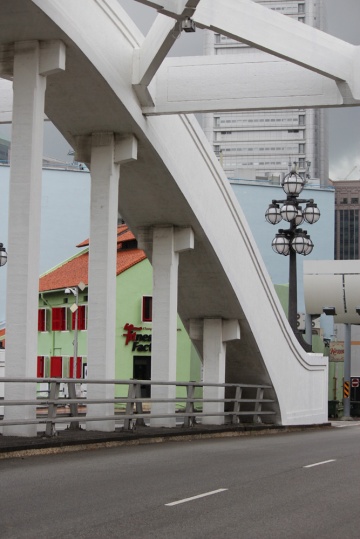
Day and night, Elgin Bridge stood still as strong as an iron man, bearing travelers without any complaints.

Ferry with tourist sight seeing the landscape of Singapore River.
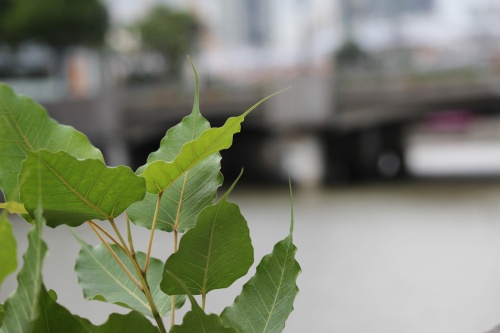
The little Bodhi tree witnessing the hustle and bustle of our footsteps and the history of the two bridges in the heart of the Singapore river.
13) The 3 special features on a Signalized Pedestrian Crossing

Green Man+ is specially addressed to the needs to elderly and Pedestrians With Disabilities (PWD) as this group of pedestrians need more time to cross the road. This is done by tapping the CEPAS-compliant senior citizen concession card or Green Man+ card on the reader (mounted on the traffic light pole). Once the reader verifies the valid card, the system will extend ‘Green Man’ time from 3-12sec depending on the size of the crossing and volume of traffic.
This gratifying thoughts designed by LTA (Land Transport Authority) enable the needy pedestrians enough time to finish the crossing at a gentle pace.

The beeping sound pedestrians hear at pedestrian crossing also known as Pedestrian Audio Signal is to ease the visually disabled cross the road. The volume of the audio signals is adjusted automatically based on the noise level of the surrounding environment.

The Green-Man Countdown Timers indicate the amount of time left in the crossing phase. As balancing the safety of pedestrians is as important as keeping the road smooth-flowing, the timers are usually not standardized. It counts on the length of crossing, the volume of pedestrians and the density of the traffic flow.
Thus, it is good to understand the operation needs, so you wouldn’t be standing under the hot sun waiting and start punching the pole.
35) Where is your Bandstand?
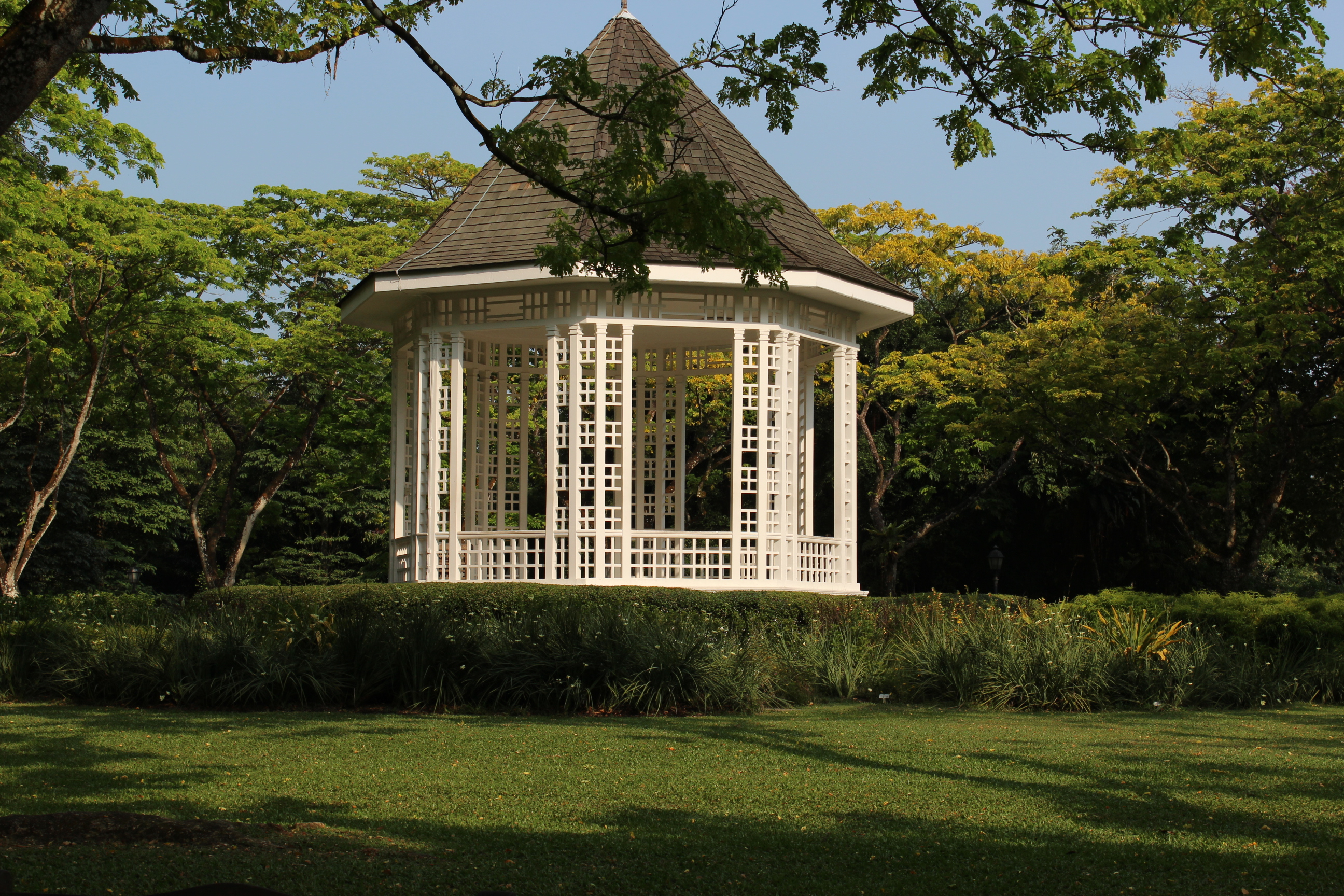
This is the only bandstand in my memory since childhood. For some, when you ask the question around, the answer might not be great difference. Yes, we are back to Singapore Botanic Gardens again.
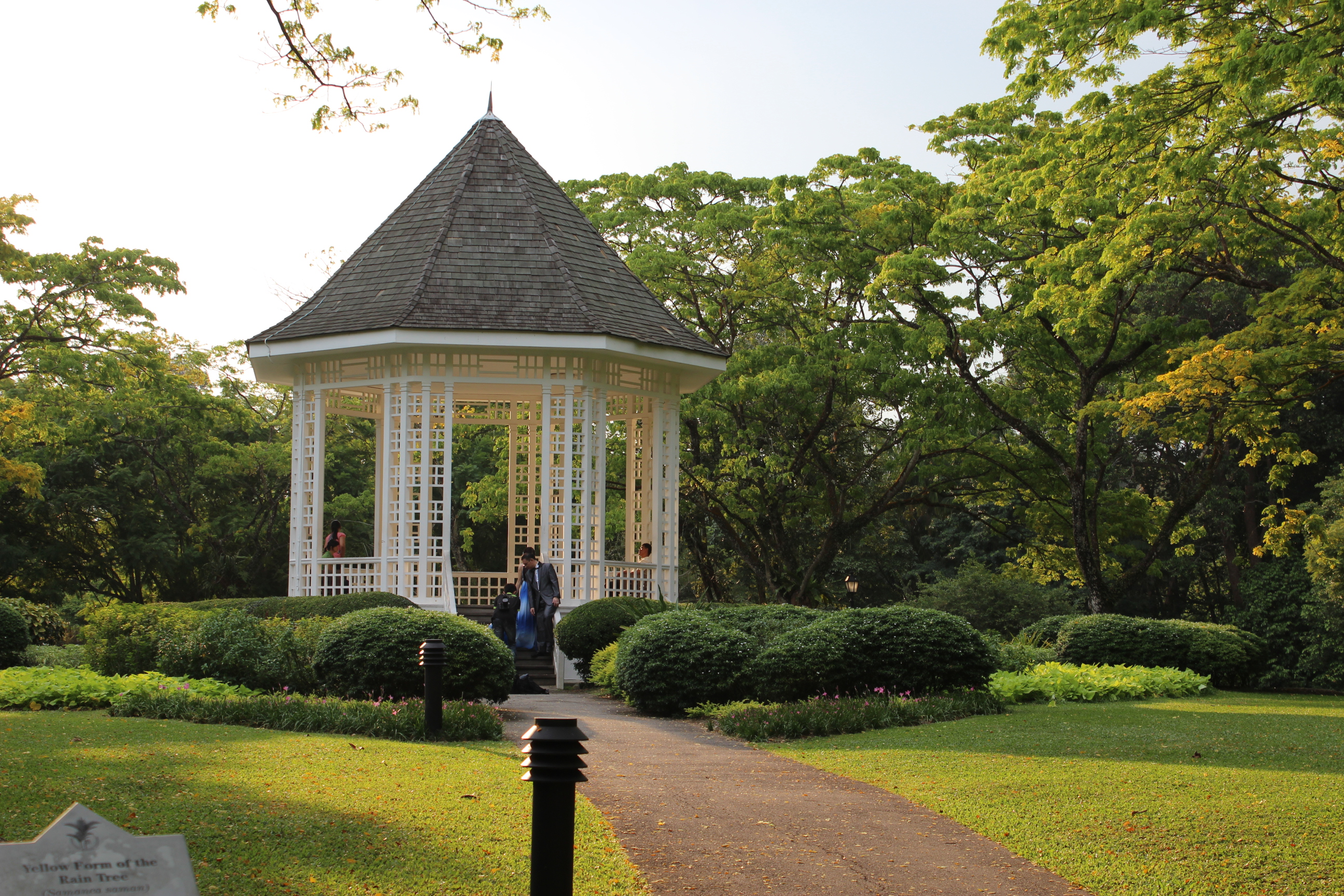
With fair skin and elegant appearance, this octagonal classic beauty was refaced in 1930. It was erected in the 1860s as a focus point of Botanic Gardens. For sure, that was our grandparents or even our great grandparents’ time. But it has retired from its military band performance. So, let’s listen to the musical flow in the charming winds and cicadas’ call.
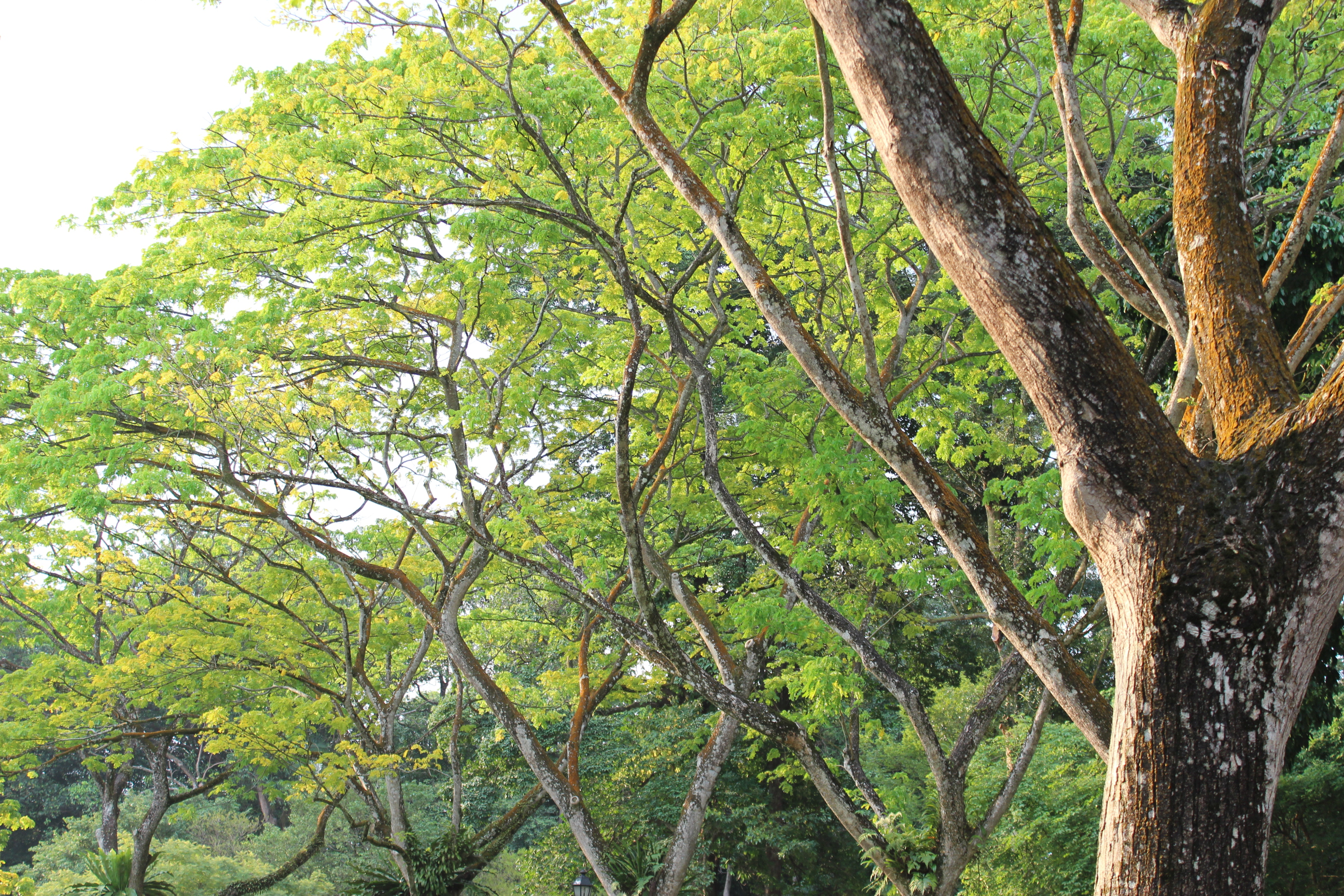
And so, where is your Bandstand? Mine is in this lovely garden. Anywhere, in any of its piece of greenery!
34) What so special about this ceiling?

This is the main reflective roof ceiling of Singapore Changi Airport Terminal 3.
This unique roof has a second name – “butterfly roof”. As the name has it, the butterfly-like automatic reflector panels open up its wings and reflect natural light from the open skylight and illuminate the open space beneath.

The daylighting system helps to reduce energy usage by minimizing daytime use of artificial lightings. It also results in decreased cooling load for air-conditioning.
During the night, the skylights will be lighted up by artificial lightings, and the reflectors will do the same job as in the day as an Eco-Ambassador.
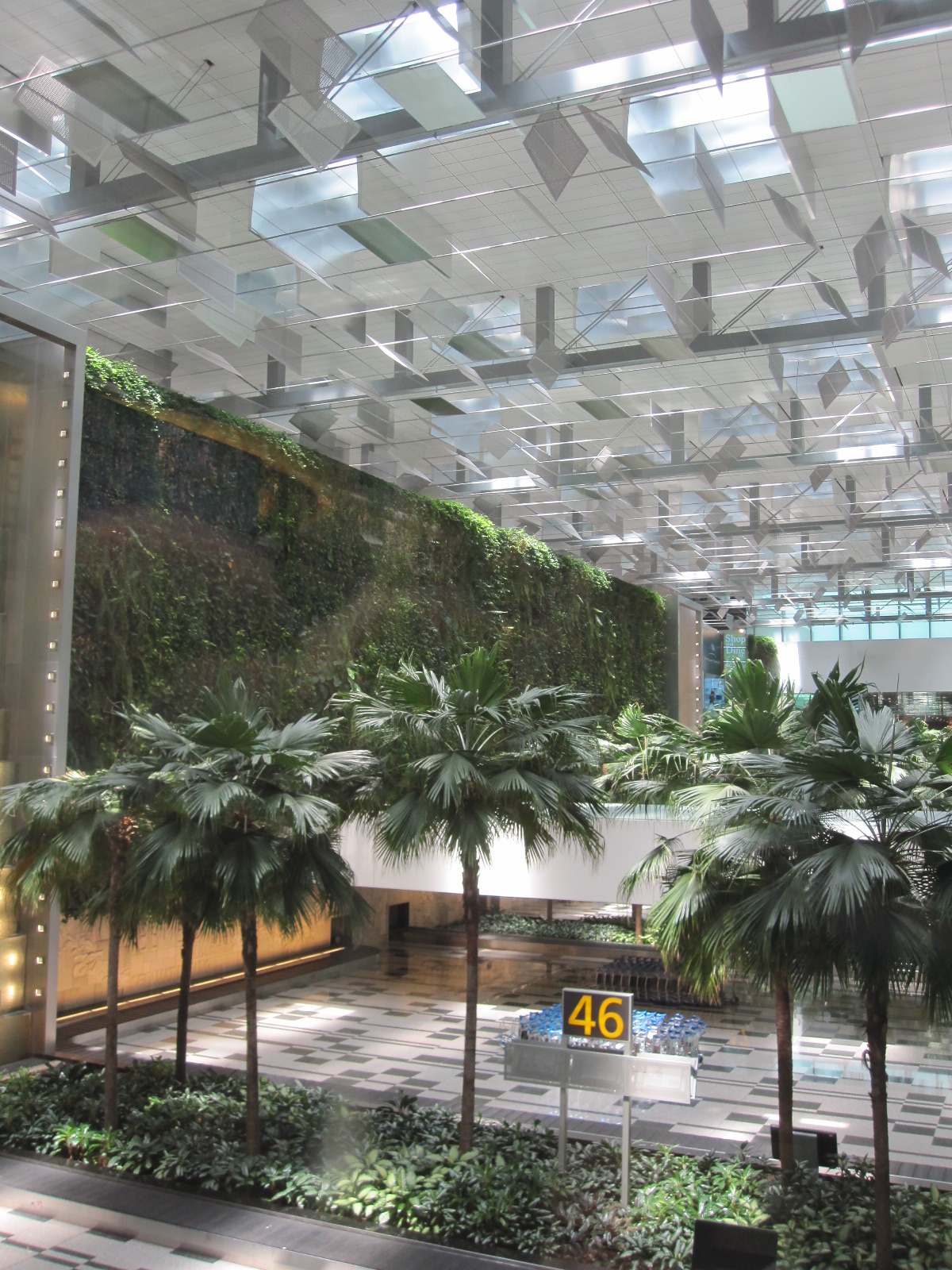
Beneath the impressive roof, a distinctive 15m high vertical garden call The Green Wall, spanning 300m across the building enjoys and dances in the light of glory.

When you look up the ceiling, you see a group of eco designers spreading their warm gestures and friendly handshakes. That is where I salute them with the great job they have done to conserve energy and our environment.
Friend (22) – Small vegetation / 朋友- 小植物

We often stop by the road, and notice small little plants piercing their way out from crack line or slit of wall.
The small vegetation can operate in a small corner of the sky, with a feeble body, in a harsh environment. The struggling spirit is respectable.
We feel this resilient power in countless people. As there is no overnight success, just like swaying from a bumpy sea, the myth of achievement often emerged from diligence and spirit of hard work.
While we look around in all places, we see people, especially the blue collar workers; day in, day out, they are able to work under harsh environment, at long hauls. This proves that the small plant is not diminutive at all, as it has an attitude that is bigger than life itself!

我们在路边,墙缝或台阶都时常看到那些从细缝里钻出来的小植物。
小植物能够在小角落经营自己的天空,用柔弱的身体在恶劣的环境中以柔制刚,打造出一番事业,这种精神令人可敬。
我们可以在无数的人身上感受这种力量,勤奋以及一步一脚印的打拼精神。他们不是一夜成名的神话,而是在颠簸飘摇的海上走出来。
举目环顾周围的小人物,尤其是蓝领工人,能在这么恶劣的环境里工作,不就印证小植物那令人敬佩的生活态度吗?

33) Where can we spot these two sculptures?
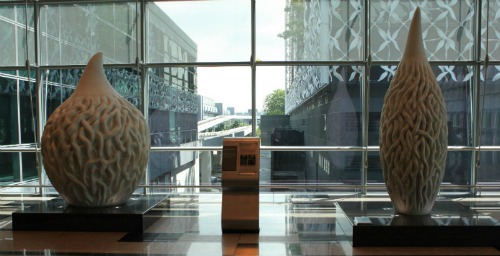
The pair of sculpture is located at Singapore Changi Airport, Terminal 3, near the entrance of Crown Plaza Hotel.

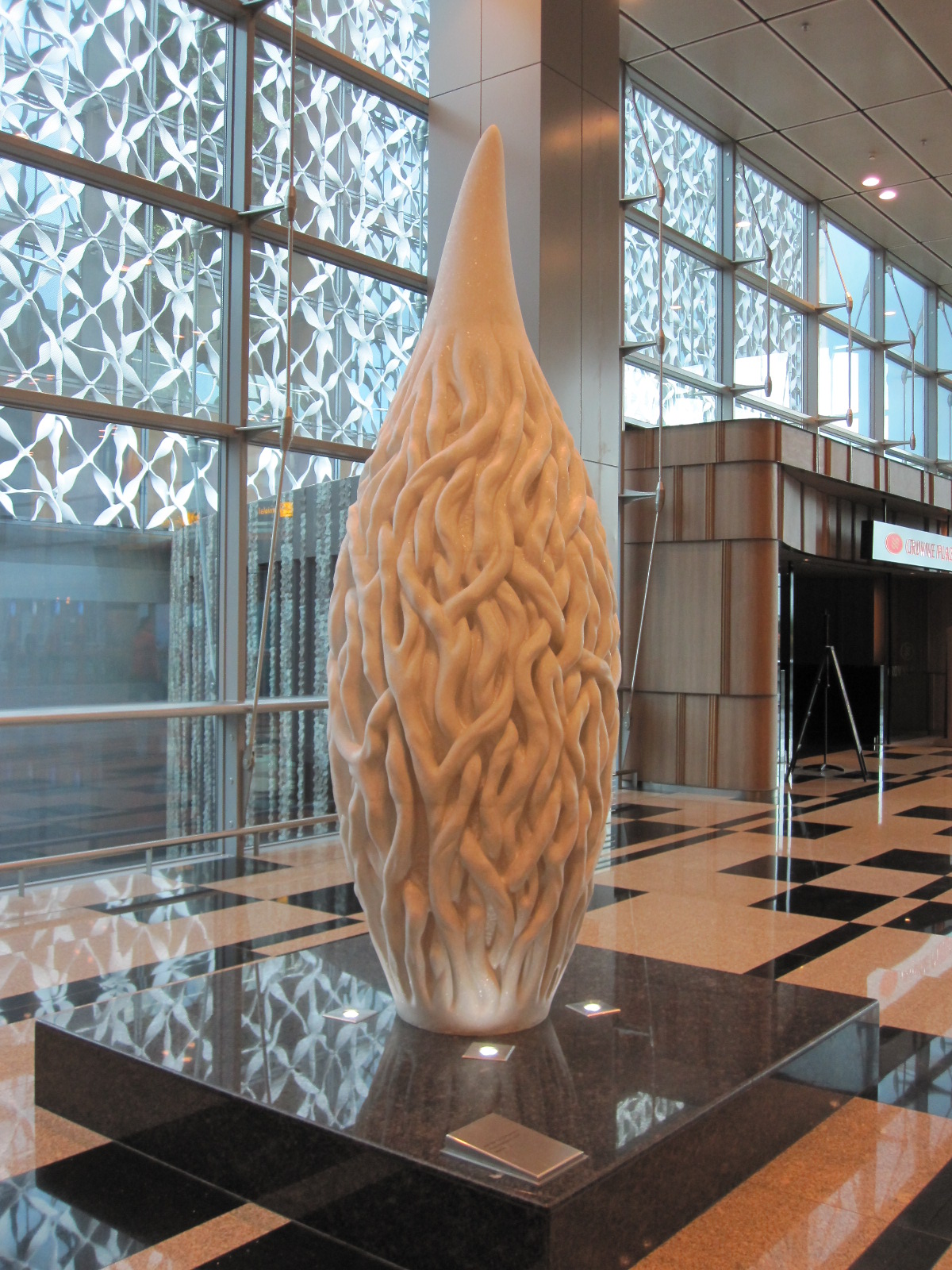
 AddGrainOnEarth