life
Different types of Durian
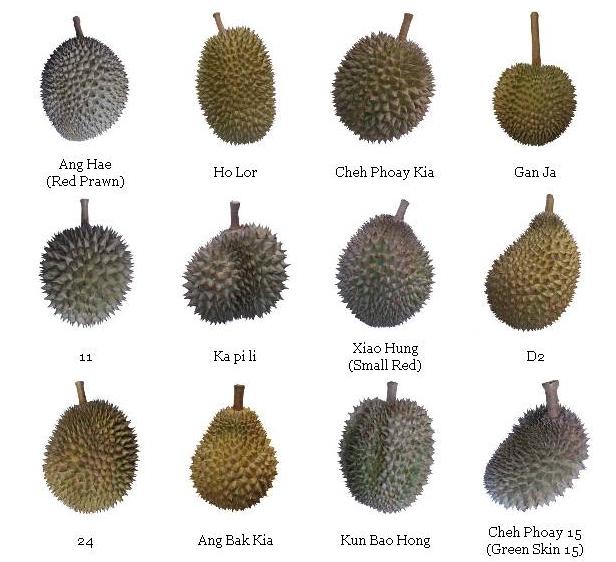
Here are different types of Durian shown above and some recommended below.
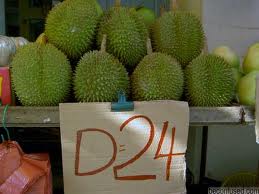
D24 – Bittersweet in taste, with small seed and flesh in dark yellow color.
This is one of the most expensive varieties.
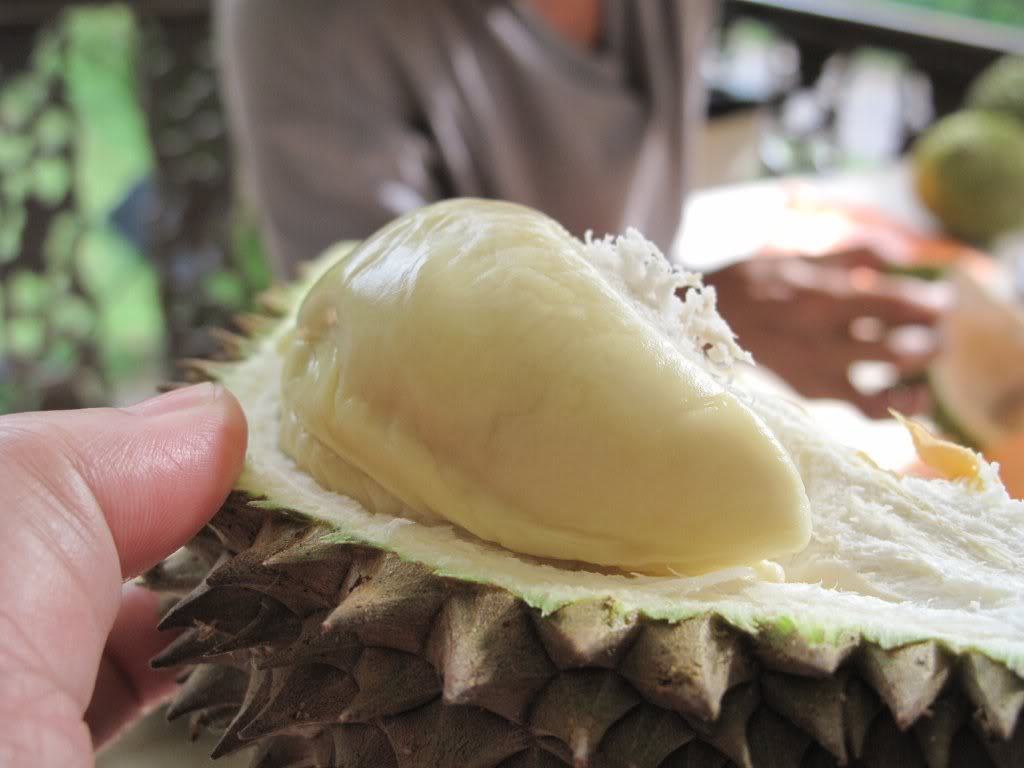
XO – It has bitter taste and XO aftertaste. This is one of the most expensive among all.
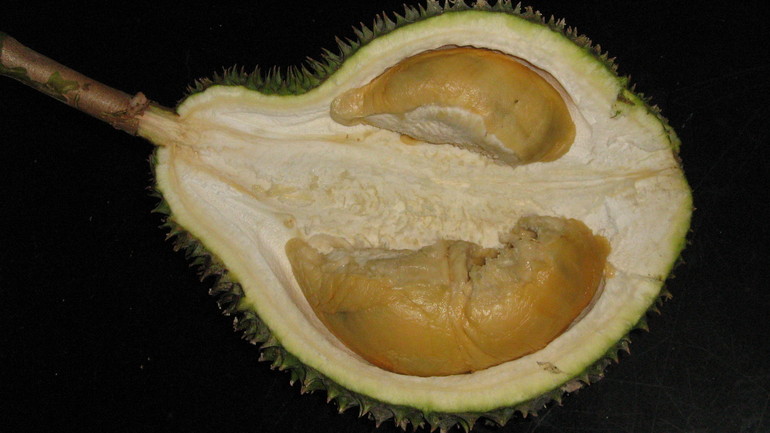
Hong Xia- (meaning red prawn) the flesh in the color of cooked prawn, thin and orangey, strong aroma.
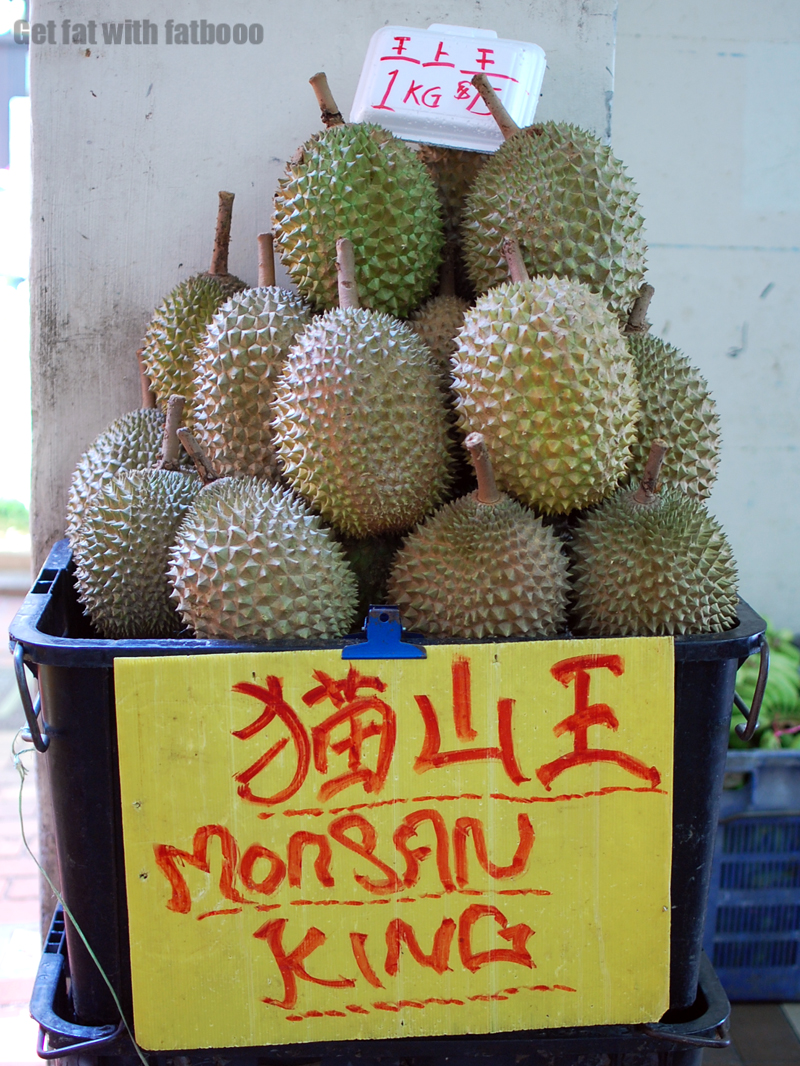
Mao Shan Wang- (meaning mountain cat king) the flesh that is firm on the outside, creamy on the inside. Having the most satisfying of all durians types, having said that, this is considered the best among all.
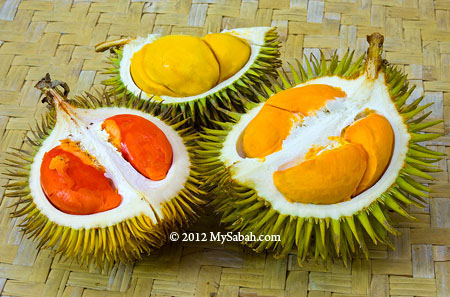
Red, Orange meat- one of the rare varieties, fruits are very small and can be held by one palm. Both are considered as Wild Durians.
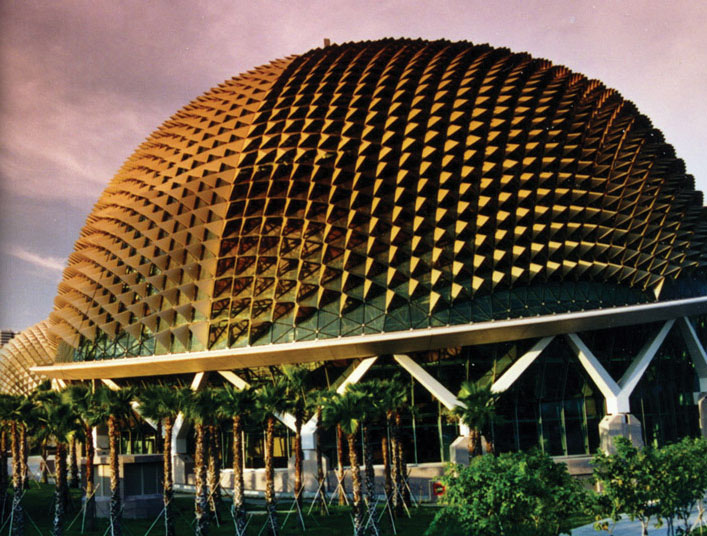
Esplanade – The biggest Durian in the world
How to choose Durian?
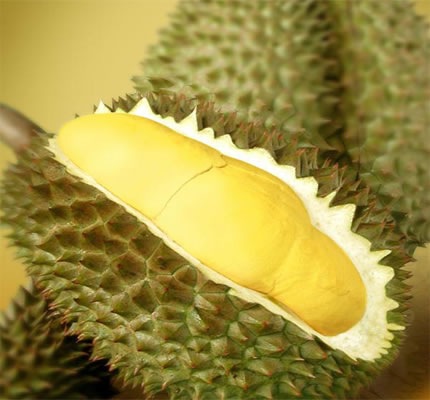
Is Durian’s Season now, some tips you may like to follow while choosing a king of fruit!
First, pick up a durian by using a towel cloth or a glove and give a gentle shake. If the sound is dull and subtle, this is just right. If it is knocking sound, the fruit is not ripe enough. It there is no sound; the fruit may be too ripe and taste bitterness (to some, bitterness is the best taste among).
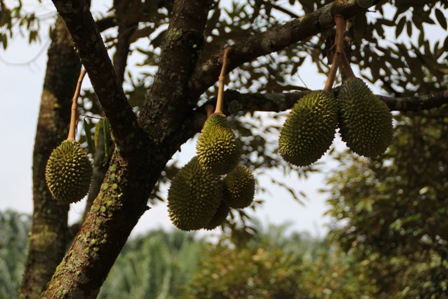
Second, durian should smell little fragrant. Too pungent may indicates the fruit is too ripe.
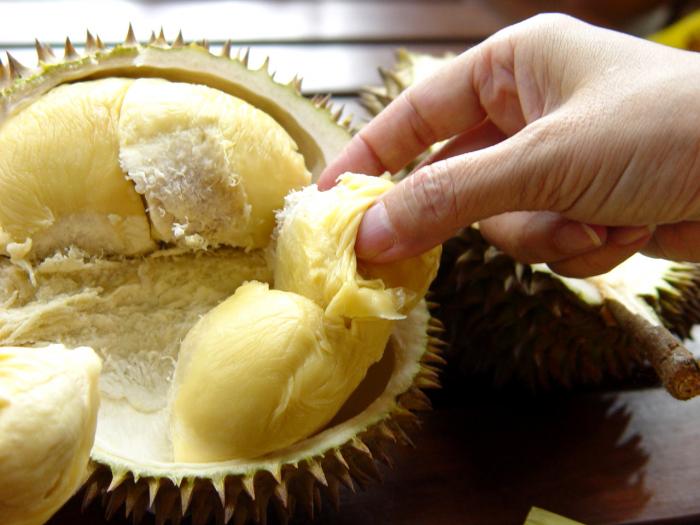
Third, some seller allows open up the shell slightly to examine the flesh. It should feel soft and tender not watery and hard.
Fourth, buy back home and test personally.
My Article
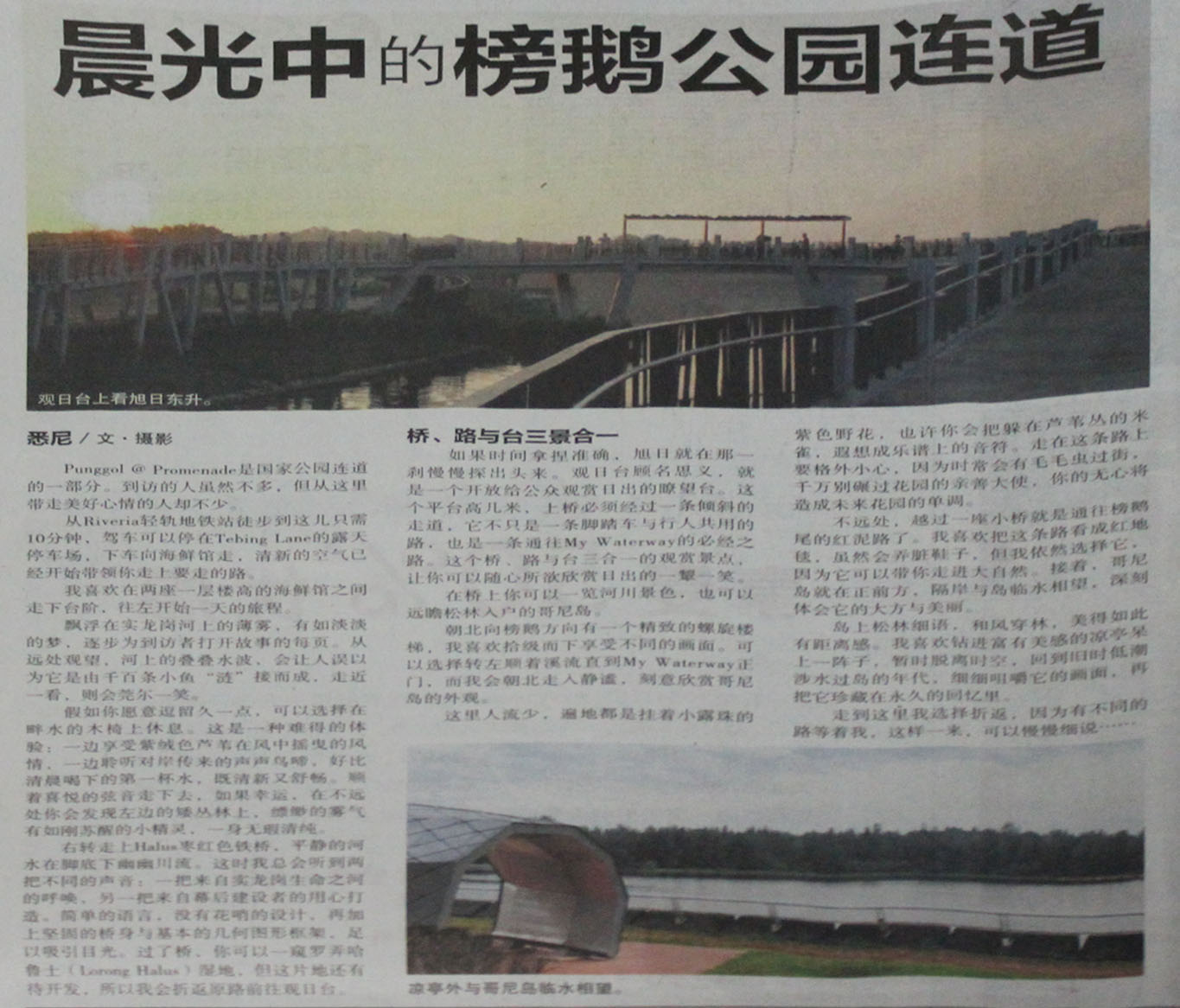 Lately, a local Chinese Press published my article in one of the Leisure section. This is a prose; it talked about the beauty side of Sengkang@Promenade that is a famous estate park in Singapore.
This is the second articles published after 20 years of my “rest and relax” period.
I hope that this is not the last piece of my story.
But for sure, when ever I saw, I heard, I touched, I always think about what I write, is going to share with the whole world!
How exciting it is!
So for that, on this ordinary day, I would like to make this opportunity to thank all my followers and blogger friends.
Through my sincere heart, thank you very much!
 Wishing everyone, a warm rising sun on you!
Sculpture “The River Merchants”
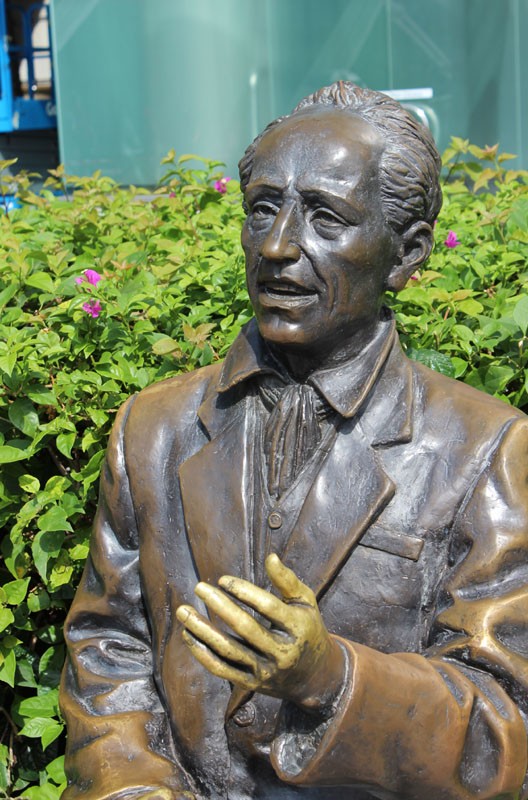 This sculpture signifies a Scotsman- Alexandra Laurie Johnston who was a prominent merchant, former ship’s owner/captain, Businessman, Magistrate, Justice of Peace in early years of Singapore.
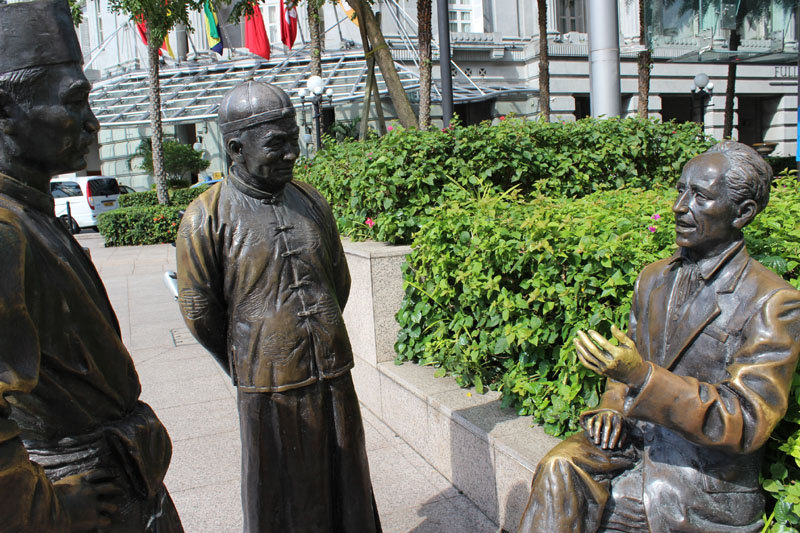 The sculpture shows he was mediating between Chinese trader and Malay chief while Indian and Chinese coolies load sacks onto a bullock cart.
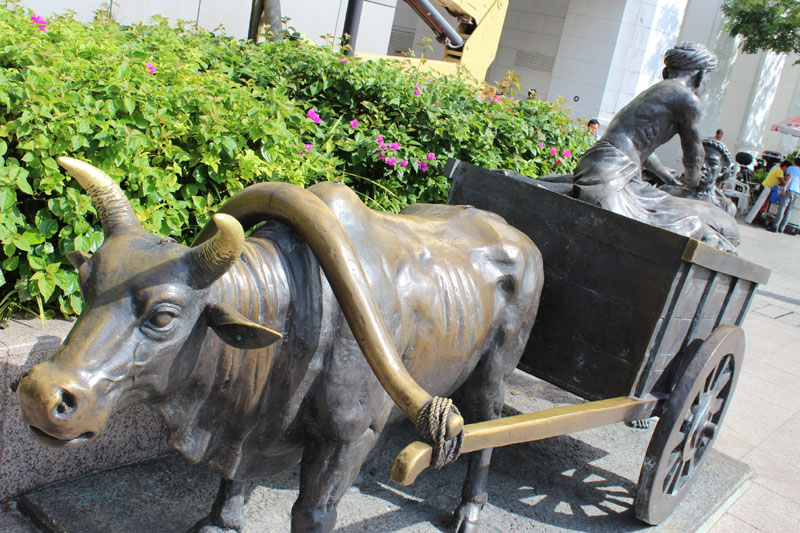 This is a common sight around the river in those days.
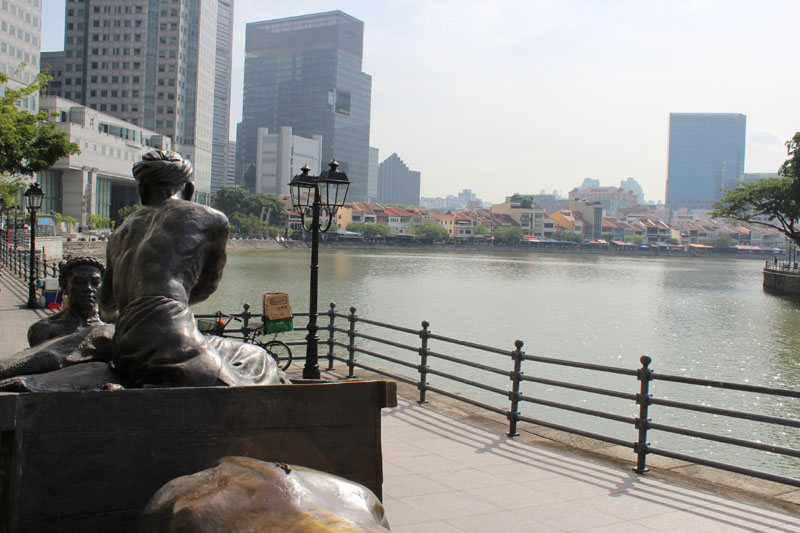 The sculpture locates between Singapore River and Maybank Towers where the heart of the river flow day and night.
Please drop by listen to their conversation, at the same time enjoy the breeze of the riverbank.
Road to Percival.
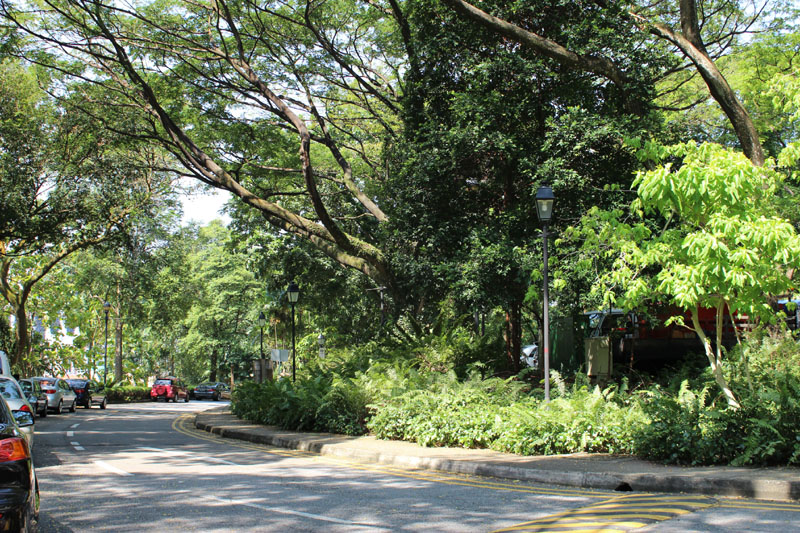 Percival road was named after Lieutenant-General Arthur Ernest Percival.
During the Second World War, Percival was the General Officer Commanding (GOC) Malaya; he marched down from this road by surrender himself, as representing British Empire to the Imperial Japanese Amy.
Hence, Singapore occupied by Japanese soldiers for 3 years and 8 months.
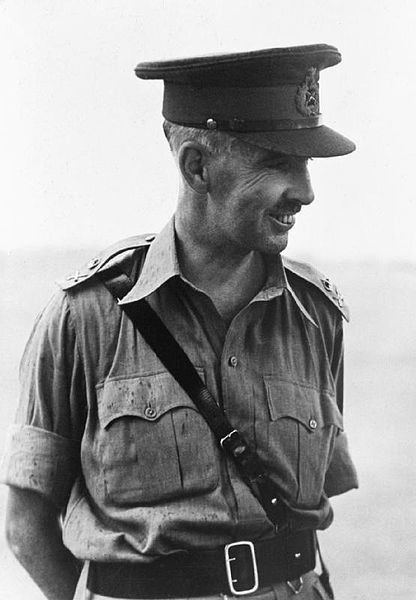
Not many people knew there was a sad story hidden behind this road.
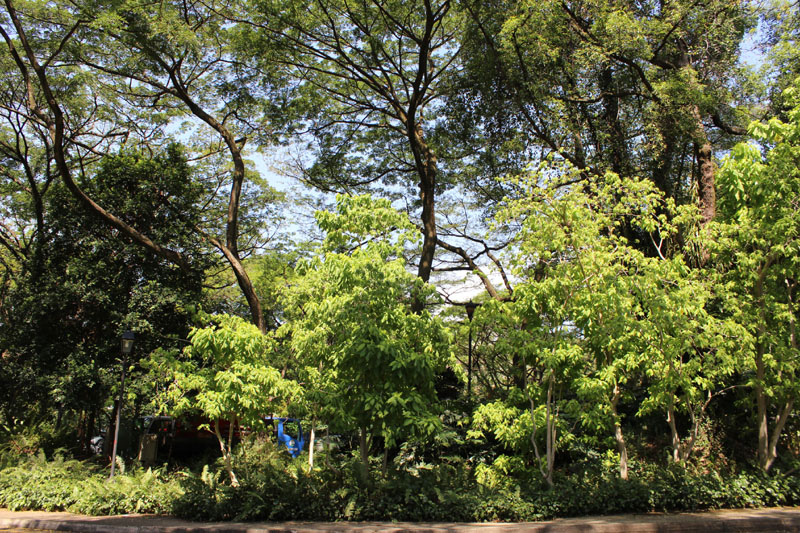 There is no road sign bring you to Percival road. You can Google it, it bring you where to go but just an ordinary road behind National Museum of Singapore, Fort Canning Park.
Where cicada is calling, where shadow of the forest lying on your shoulder silently.
The Asean sculpture symposium
 ASEAN Sculpture Symposium, with the aim of promoting a sense of community among sculptors of member countries whose works of art will be visible symbols of regional cooperation. A collection of sculptures held at Fort Canning Park, this is first sculpture symposium in Singapore, but not the last.
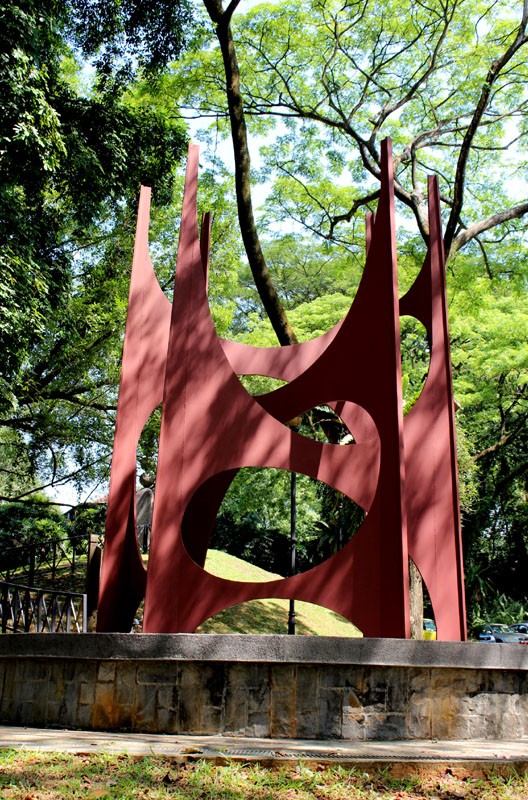 “Augury” by Malaysia sculptor Mr. Anthony Lau.
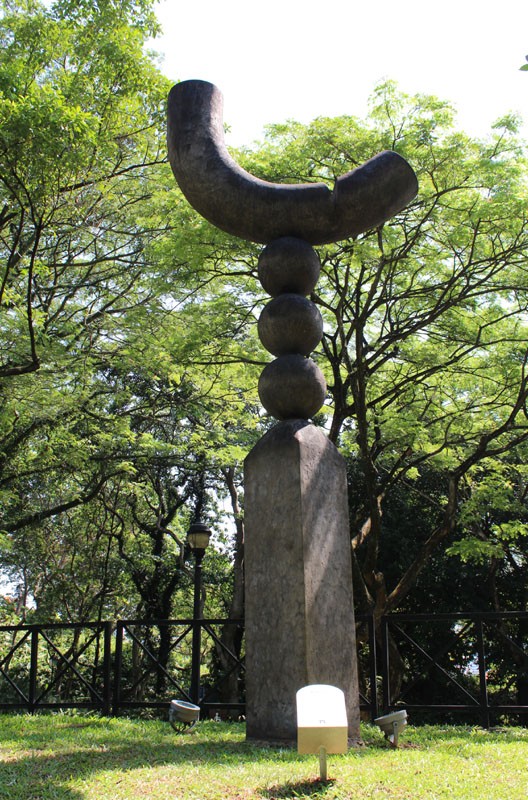 “Balance” by Mr. Ng Eng Teng
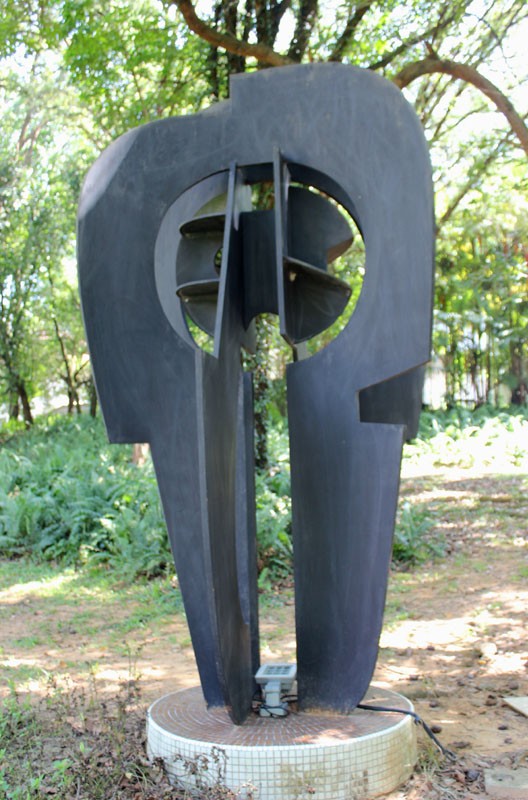 “Concentration” by Mr. Vichai Sithiratn
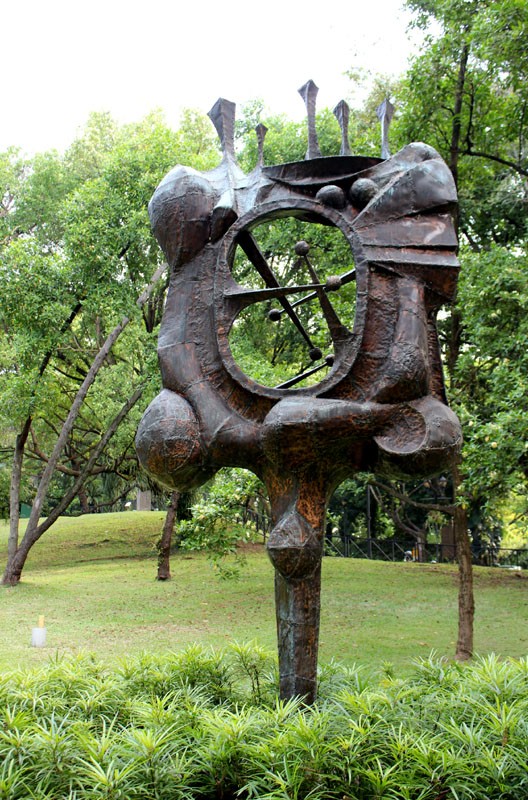 “Unity” by Indonesia sculptor Mr. But Muchtar
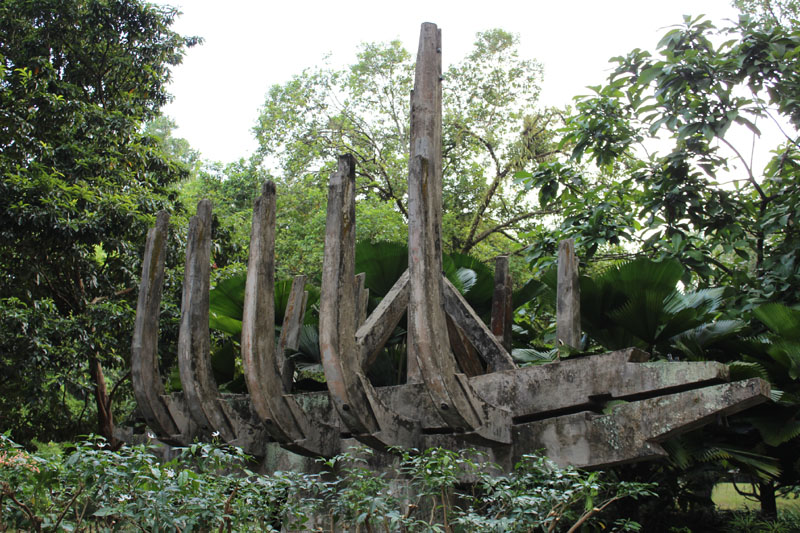 “Fredesvinda” by Philippines sculptor Mr. Napoleon Veloso Abueva
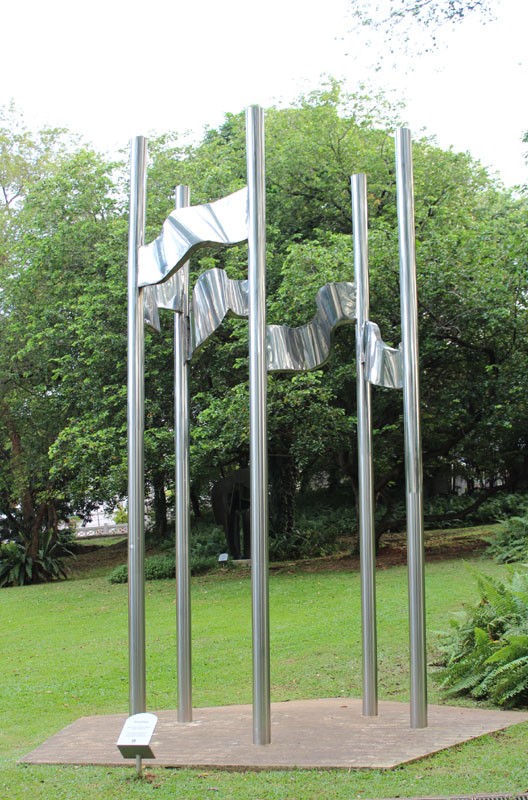 “Together” by Brunei sculptor Mr. Osman Bin Mohammad
The Art and Arcs in National Museum of Singapore
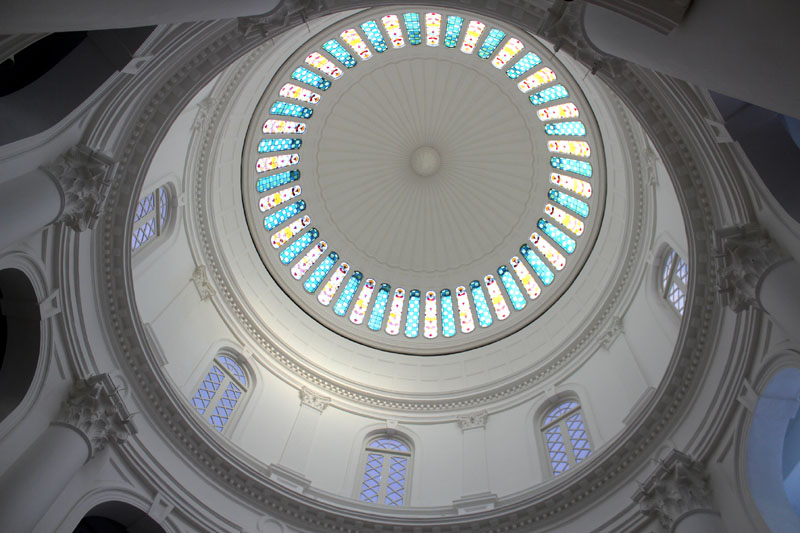 An interior look-up shot of a dome in National Museum of Singapore. Hear a sound of echoes from heavenly art.
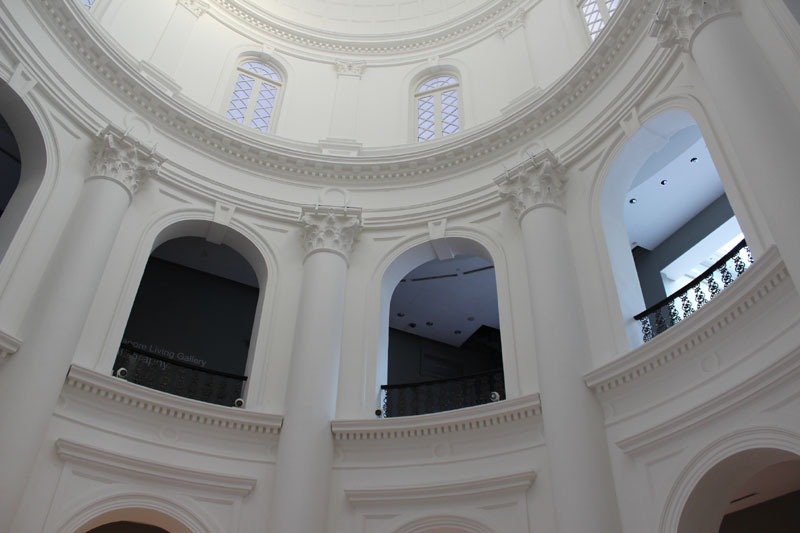 A collection of arcs and art perfectly match the stillness atmosphere.
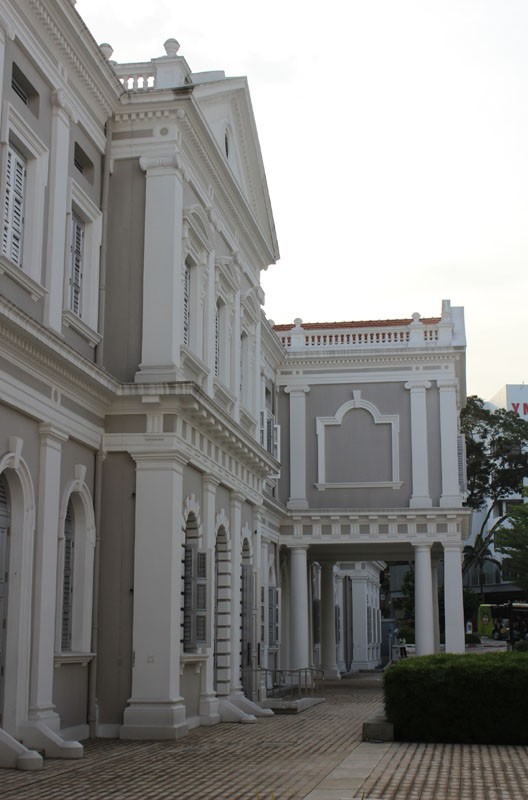 Get a glimpse of Neo-Palladian and Renaissance style architectural.
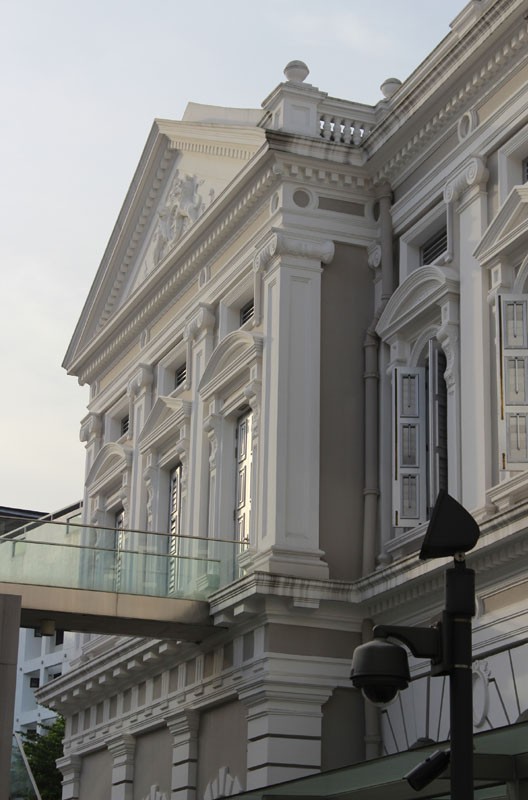 An excellent collaborations of new and old constructions method, can’t find a better ground for this art building elsewhere.
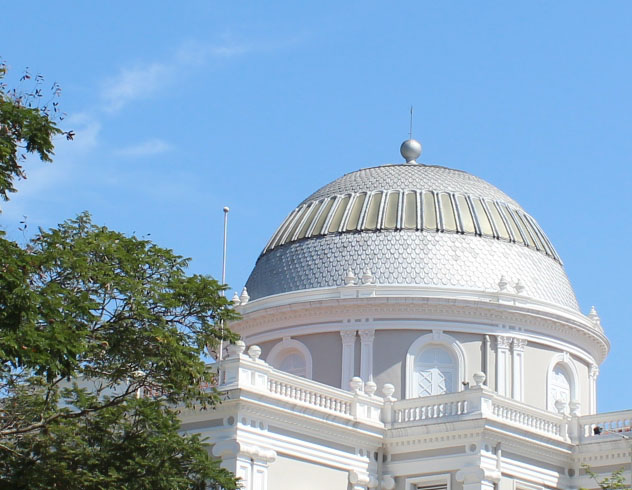 The exterior of dome under a bright blue sky.
Pedas Pedas
 A bronze sculpture name “Pedas Pedas” located behind National Museum of Singapore, this is by Sculptor Kumari Nahappan. Pedas in Malay means spicy.
Kumari is a conceptual artist based in Singapore. Her signature and iconic made her won many awards and international fame.

Sculpture “Cut“
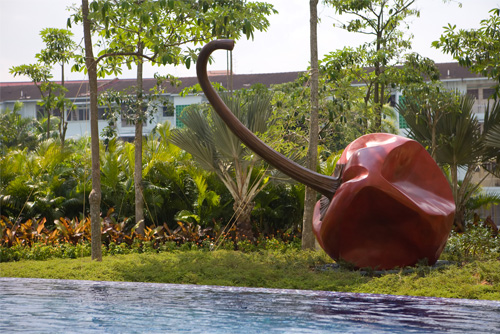
Sculpture “Sizzling”

Sculpture “Unveiling Friends”
Gratitude to our parents
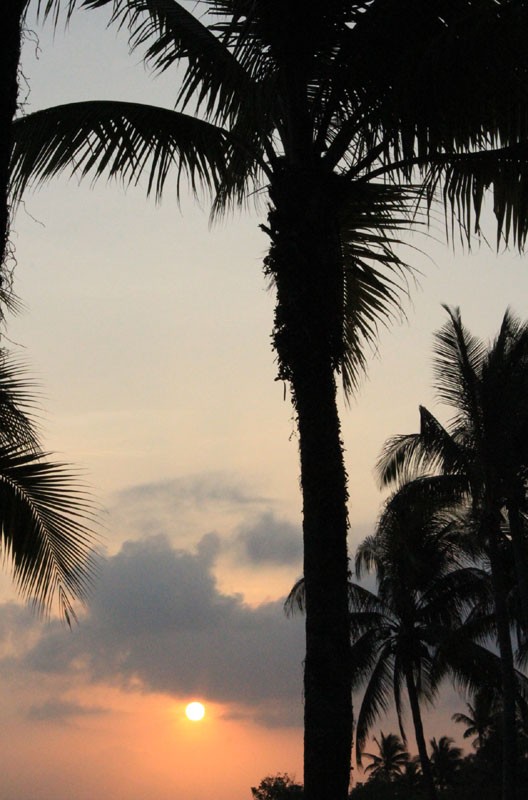
The Buddha said, “ There are two persons to whom one can never adequately express one’s gratitude. They are our mother and father.” Our parents have made great sacrifices and took great pain to nurture us.
The Buddha said we should repay the kindness of our parents in 5 ways:
1) By supporting them (just us they have supported us)
2) By doing their duties
3) By protecting the family property
4) By preserve the family honour
5) By dedicating the merits virtuous deeds to our deceased parents
Wild growing Albizia tree
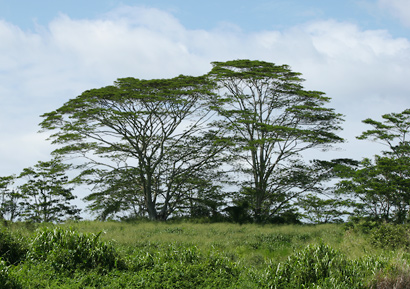
Due to the fast growing speed, Albizia tree (Falcataria moluccana) has never been the roadside tree in Singapore. The trees were first grown in Singapore Botanic Gardens in 1870 and later shifted to waste ground where it start proliferate.
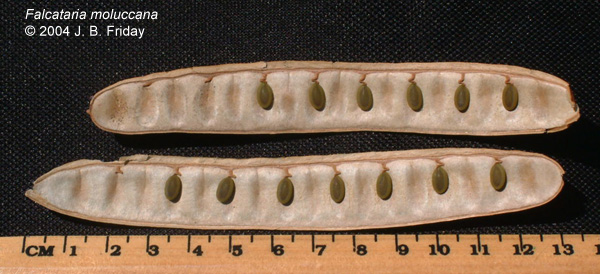
Albizia is a can grow from sapling to a tree in 35 feet (10.7m) tall, within 13 months. The huge number of seeds in pods can multiply in the wild.
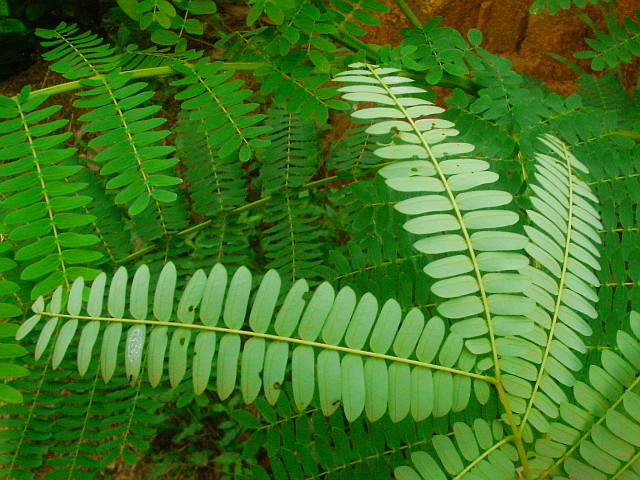
Although, the tree is beautiful and widely spread like a green canopy. But the branches may prone to fall over the stormy rain, and cast a danger to the road users. Since then, Albizia tree has been out under Tree Conservation Area (TCA) due to it reality and practicality.
- ← Previous
- 1
- 2
- 3
- …
- 29
- Next →
 AddGrainOnEarth