nature
16) Whose feet are those?

A) Skinny but master of wings
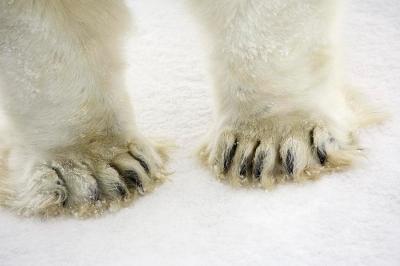
B) Northern survivor

C) I am not Lion King!

D) I am not Godzilla!
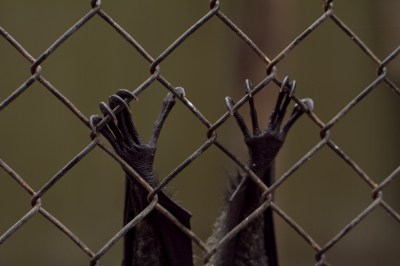
E) I am not Vampire!
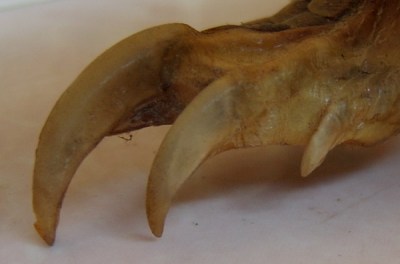
F) I am not Meat Eater!

G) Deep! Deep! Deep!

H) I am not a Horse!

J) I am not birdie!

K) Ho! Ho! Ho! Where is my best friend?
A) Crane
B) Polar Bear
C) Tiger
D) T-Rex
E) Bat
F) Ant Eater
G) Angler Fish – http://wp.me/a2DqYS-Q0
H) Donkey
J) Big Bird – http://wp.me/a2DqYS-Q9
K) Reindeer
15) We are smaller than Ikan Bilis (Anchovies)
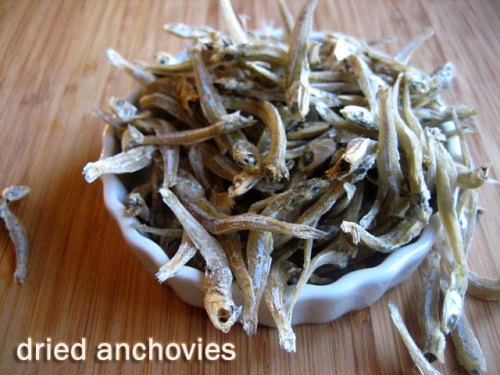
Ikan bilis translated from Maly literally means “fish anchovy”. It belongs to Anchovies family, tiny shape in size but full of iron and calcium in nutrients. It is also an essential ingredient in a local delicious dish Nasi Lemak (coconut rice). I would have thought that Ikan bilis is the smallest fish that I have known of, but surprisingly it is not true.
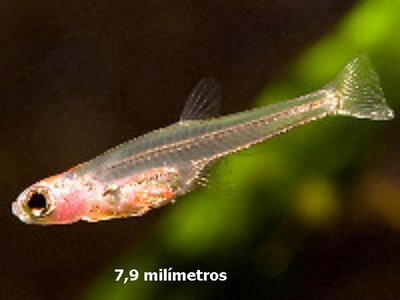
Paedocypris is claimed to be one the smallest known species fish in the world. It measures from 7.9mm to 10.3mm. It can be found in Southeast Asia, where it appears in Malaysia and Indonesia.

Schindleria brevipinguis, also known as ‘stout infant fish’ is the second smallest known fish in the world. It can grow up to 8.4mm and it can be found in Austria’s Great Barrier Reef and Osprey Reff in the Coral Sea.

Dwarf pygmy goby (pandaka pygmaea) is one of the smallest tropical freshwater fish. Mature mail can grow up to 11mm, and the female to 15mm. It is known as bia and tabios in the Philippines.
14) Whose eyes are those?
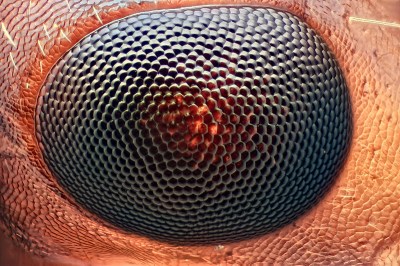
A) One of the smallest eye in the world

B) Eye of Nature

C) Eye of Kindness

D) Sleepy eye
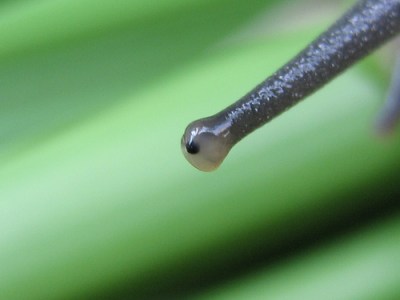
E) Slowest eye
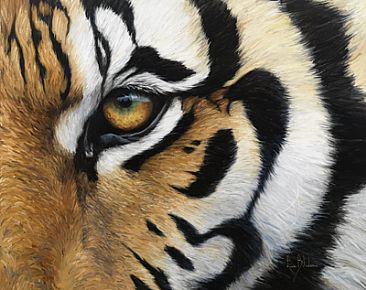
F) Eye of warrior
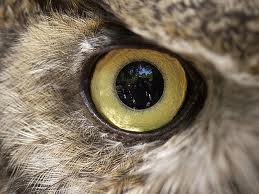
G) Eye of Night rider
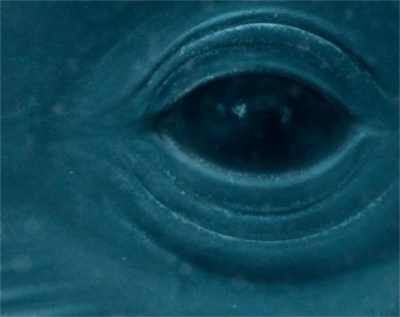
H) Eye of the Ocean
J) Eye of a Hollywood Star
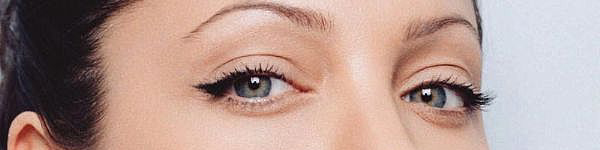
K) Sexy eyes
A) Ant
B) Cat eye stone
C) Giraffe
D) Hippo
E) Snail
F) Tiger
G) Owl
H) Whale
J) E.T
10) Walking with Velcro

In 1941, a Swiss man strolling on the Alps after a hunting trip with his dog discovered the seeds of burdock that kept sticking on his clothes and dog’s fur. He examined the burrs with microscope and saw thousand of “hooks” caught on the clothes’ cotton and furs.
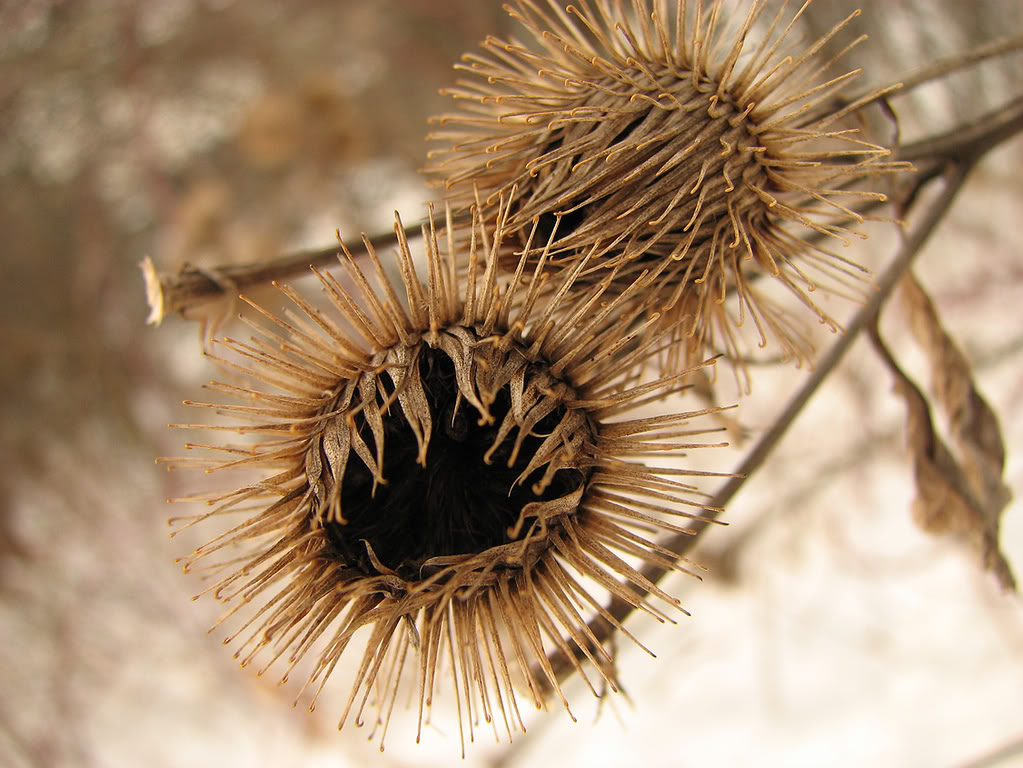
This man, Gerorge de Mestral, a Swiss engineer lived in Commugny, Switzerland. He spent 8 years to change the zipping world. He conceived the hook-and-loop fastener by binding two materials reversibly in a simple fashion from the beginning of cotton material to Nylon and polyester, and now even the spaceman and sportsman are practically using it.
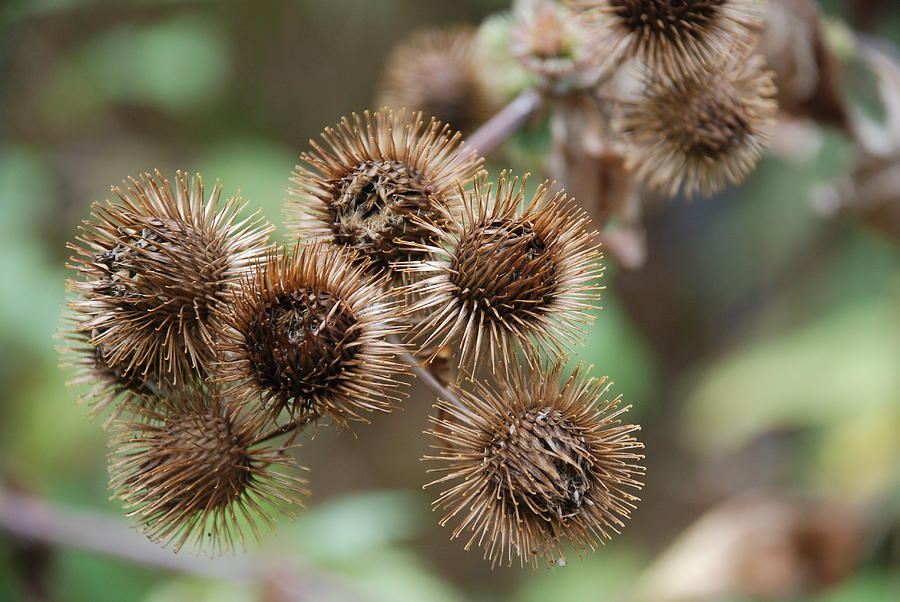
The word Velcro is a combination of two French words velours (“velvet”) and crochet (“hook”)

Today, this handy and sticky zip become part and parcel of our live! It contributes much changes to the style of the fashion world!
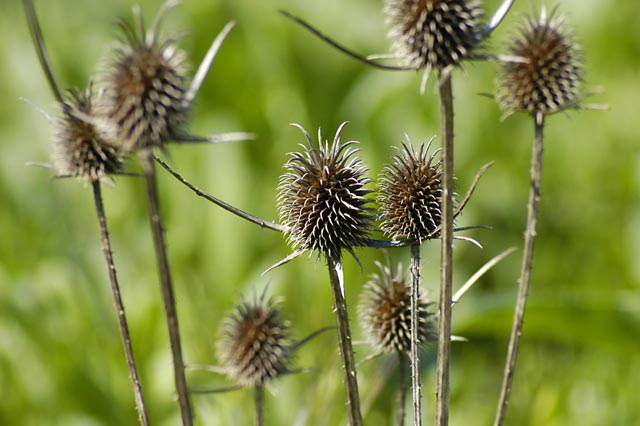
Well, the next time while you are strolling in the field, just spend a little attention on nature; you may be surprised to discover what nature offer can do much to change our life.
7) A Day of a Honey Collector
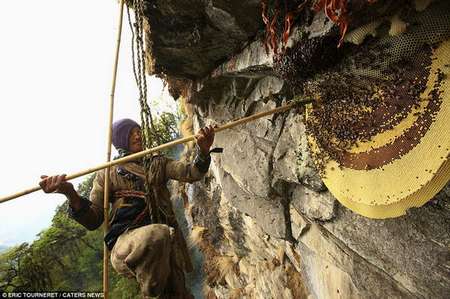
Spring and autumn is the honey collection season for Nepalese. Nepalese have a hard task collecting honey as the comb it’s often bedded at the cliff. The honey collectors risk their life in the deep forest at the Himalayan region for this daily task. For fear of bee stink, they dangle themselves in mid air risking their life daily to exchange their 3 meals.

Collectors make use of smokes and noises to chase the bees away from their comb.

The giant Himalayan wild bees built their nest on the cliff a few hundreds meter above ground.
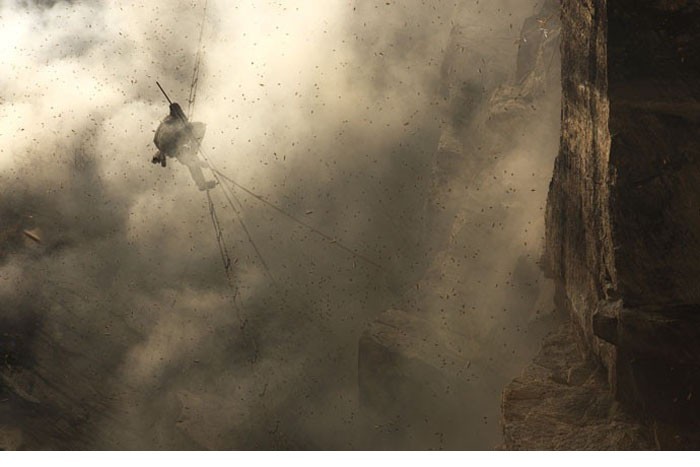
Collectors make use of the self-made rope, and use a simple gear like a wooden stick to plug the comb down. This is the time the bees started their attack to protect their boundary. But the experienced collectors would stay calm and steady not to agitate the bees further.

This is life in exchange, for a daily meal.
6) Which Chinese Zodiac are You?

In Chinese calendar, the 12 animals represent every two hours within the clock. The concept is similar to Constellation. The original is unknown, but there are beliefs that the sequence and arrangement of the animals are related to their behaviors and activities. Each individual takes up two hour.

The first, is the Rat, from 11pm to 1am. This is the time while rats are most active.
Second, is the Ox from 1am to 3am. This is the time for cow to ruminant.

Third, is the Tiger, from 3am to 5am. This is the best time for tiger to hunt food.

Fourth, is the Rabbit, from 5am to 7am. This is the time for rabbit to grind medicine on the moon. There is a belief that there is a rabbit staying on the moon in the olden days.
Fifth, is the Dragon, from 7am to 9am. This is the time when the dragon shuttle in the cloud to make rain for the earth.
Sixth, is the Snake, from 9am to 11am. This is the time for the snake to start the day.
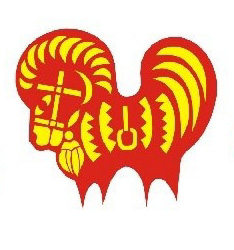
Seventh, is the Horse, from 11am to 1pm. This is noon time, and it’s the hottest temperature of the day and the best time for the horse to run about.

Eighth, is the Goat, from 1pm to 3pm. This is the best time to let goats on the field, while the green grass will make them stronger and healthier.

Nineth, is the Monkey, from 3pm to 5pm. This is the most active time for monkeys.
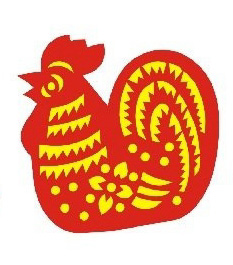
Tenth, is the Rooster, from 5pm to 7pm. This is the time where chicken return to their home sweet home.

Eleventh, is the Dog, from 7pm to 9pm. This is the time where dogs are on guard.
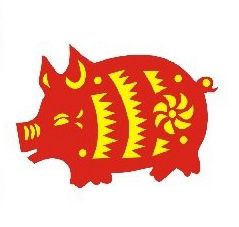
Twelveth, is the Pig, from 9pm to 11pm. This is the pigs bed time.
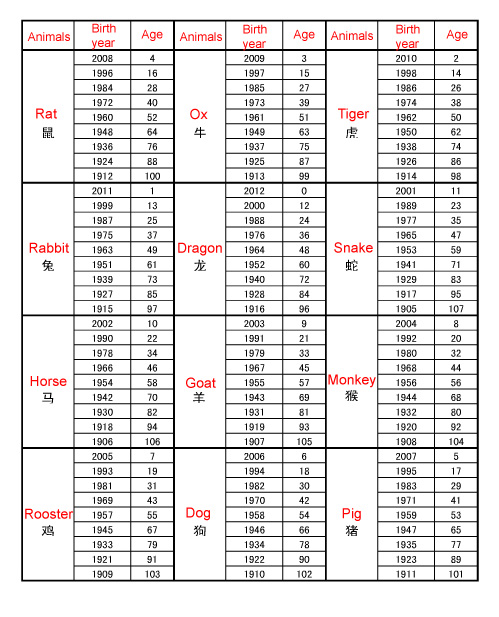
The stories may varies and it takes many years to form the interesting arrangement. But, culture and fairy tales are the most delighting and joyful stuffs!
The Twelve Animal Kingdom is a twelve cycle that corresponds to Years rather than Months. So a person can be born in the year of Dragon, Tiger so on and so forth if we mention about the Chinese Calendar Zodiac.
So, which animal sign are you?
So, which Chinese Zodiac are you?
4) Shall we go for a stroll?
Extracted from a free download website from ‘imgur’, it’s been passing around widely since.
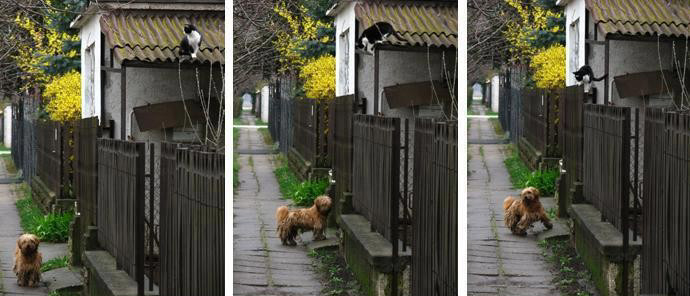
This is an article about a dog waiting for his feline friend at the same time, same spot daily without fail to go for a stroll together.
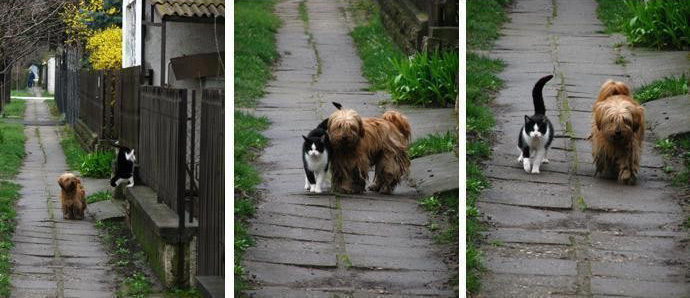
The source of the place is unknown, but according to “imgur’, they are friends without talking, isn’t it amazing?
35) Where is your Bandstand?
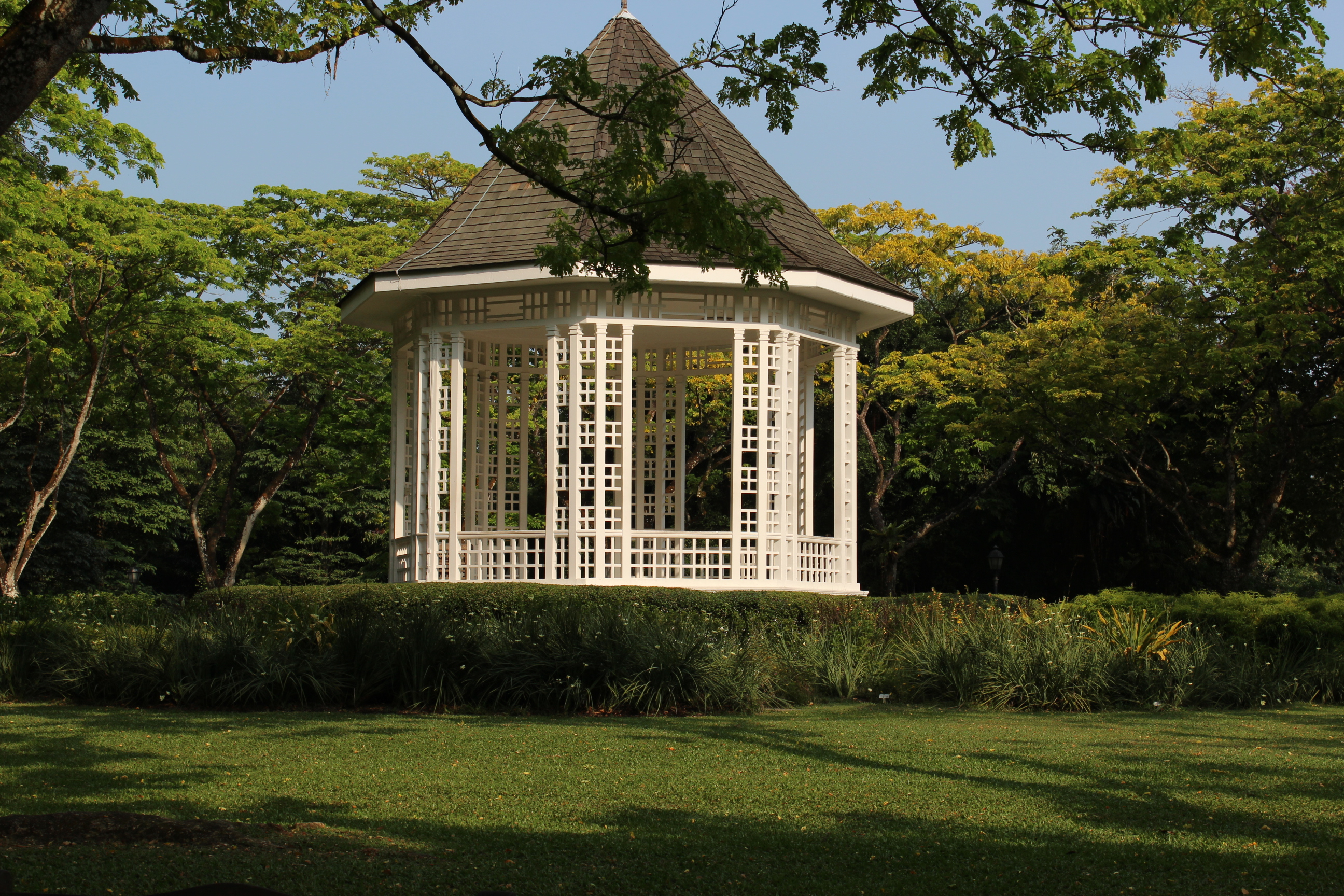
This is the only bandstand in my memory since childhood. For some, when you ask the question around, the answer might not be great difference. Yes, we are back to Singapore Botanic Gardens again.
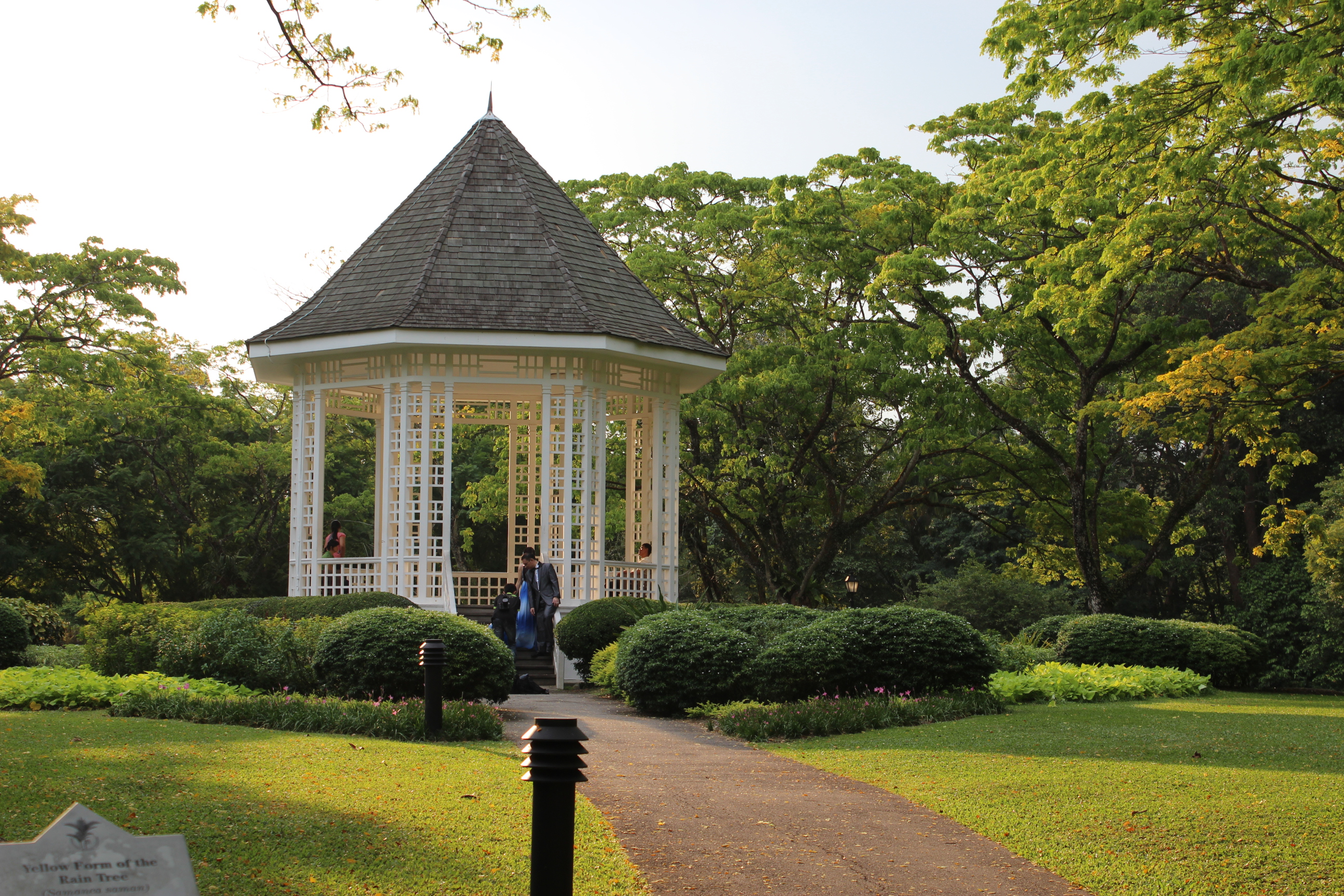
With fair skin and elegant appearance, this octagonal classic beauty was refaced in 1930. It was erected in the 1860s as a focus point of Botanic Gardens. For sure, that was our grandparents or even our great grandparents’ time. But it has retired from its military band performance. So, let’s listen to the musical flow in the charming winds and cicadas’ call.
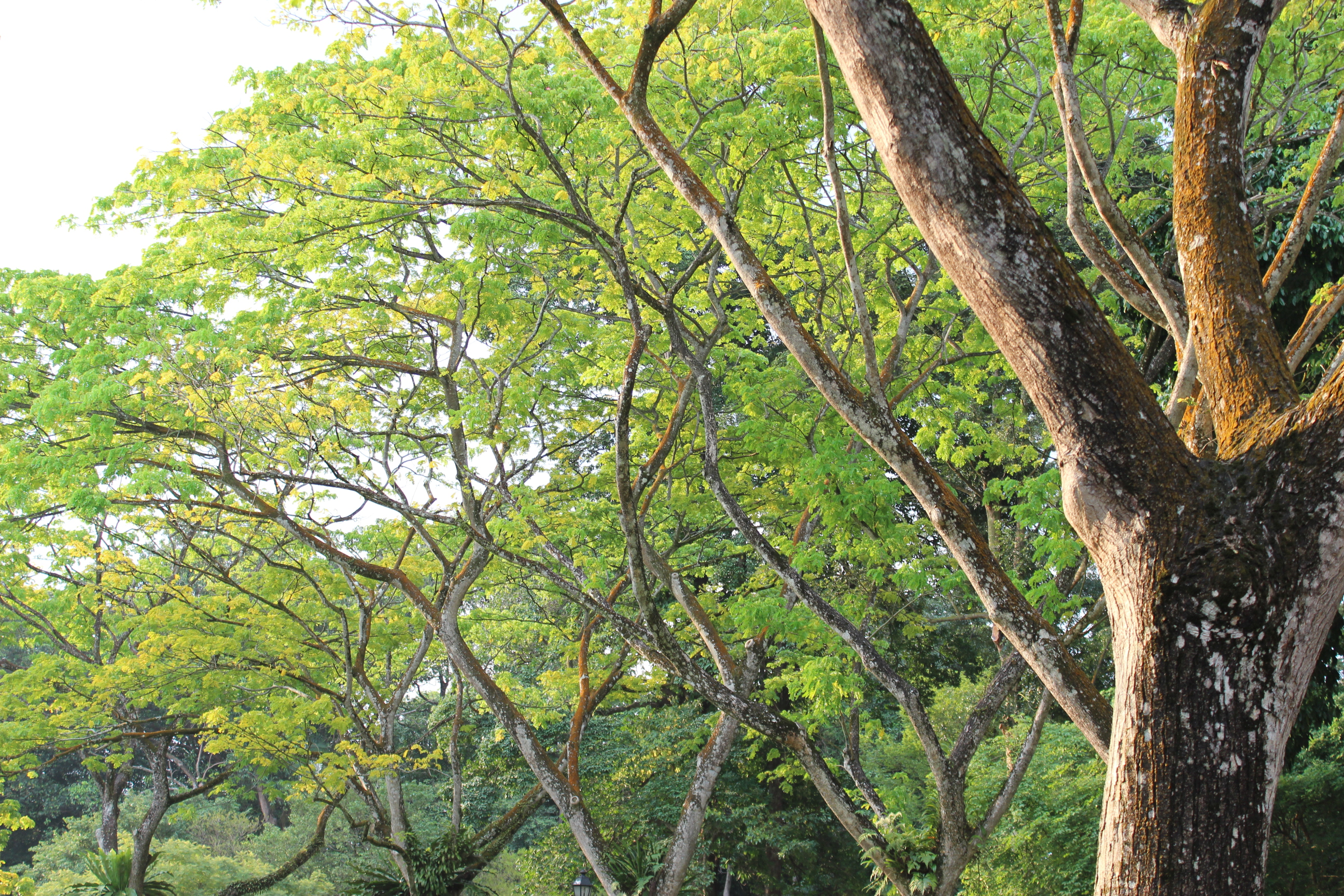
And so, where is your Bandstand? Mine is in this lovely garden. Anywhere, in any of its piece of greenery!
34) What so special about this ceiling?

This is the main reflective roof ceiling of Singapore Changi Airport Terminal 3.
This unique roof has a second name – “butterfly roof”. As the name has it, the butterfly-like automatic reflector panels open up its wings and reflect natural light from the open skylight and illuminate the open space beneath.

The daylighting system helps to reduce energy usage by minimizing daytime use of artificial lightings. It also results in decreased cooling load for air-conditioning.
During the night, the skylights will be lighted up by artificial lightings, and the reflectors will do the same job as in the day as an Eco-Ambassador.
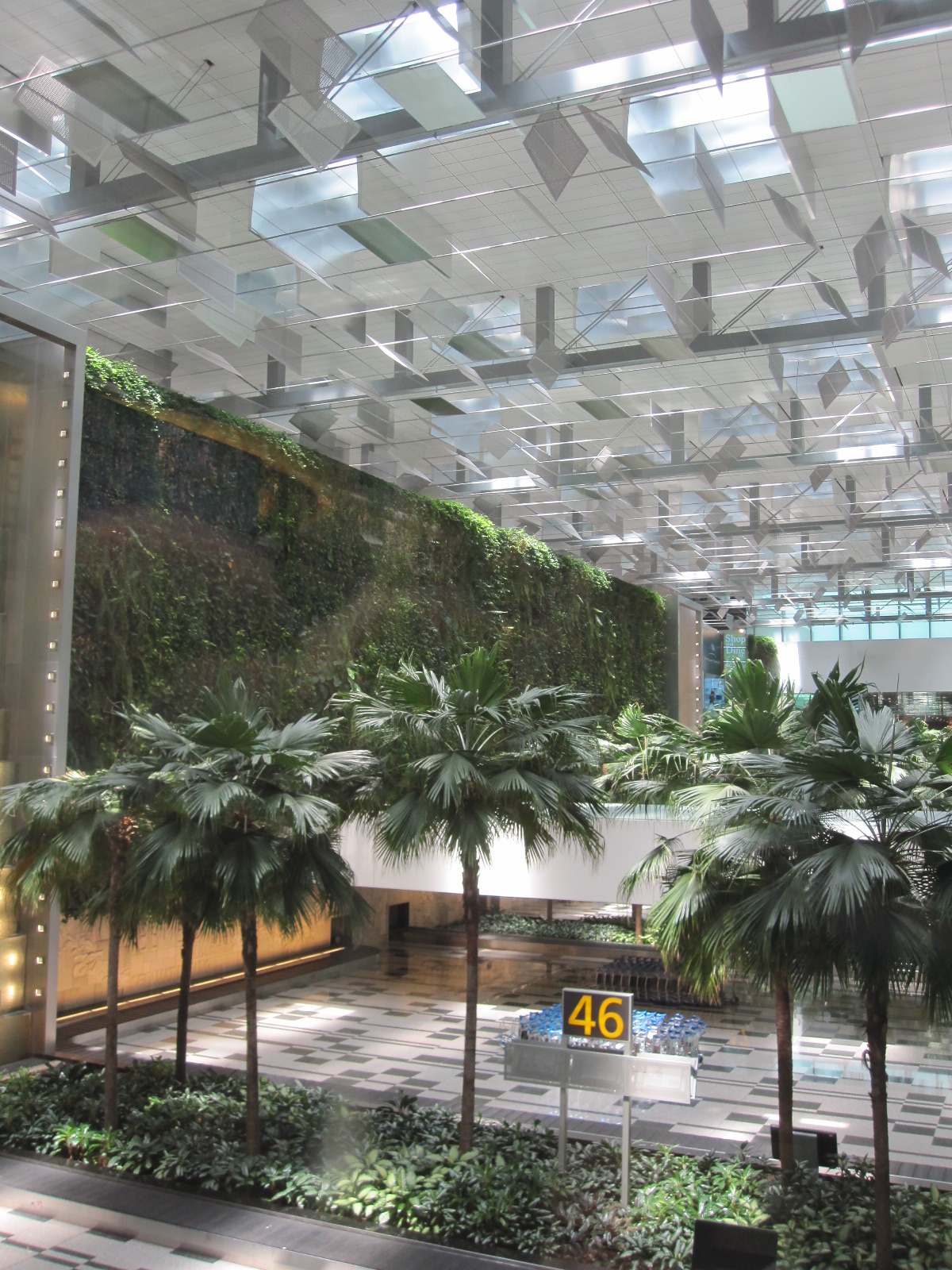
Beneath the impressive roof, a distinctive 15m high vertical garden call The Green Wall, spanning 300m across the building enjoys and dances in the light of glory.

When you look up the ceiling, you see a group of eco designers spreading their warm gestures and friendly handshakes. That is where I salute them with the great job they have done to conserve energy and our environment.
8) What are your 3 favorite words that start off with alphabet D?

Dignity
Mountain broken down into walls, and dignity stays.
Wall broken down into bricks, and dignity stays
Workers broken down into day and night, and dignity stays

Dream
Propellers in the sky, is driven by a dream
Alice in Wonderland, is written by a dream
A moon walker, started off being a dreamer, dreaming day and night.

 AddGrainOnEarth