Singapore Spot a Spot / 点出景点
29) Where is this sculpture?
“Chang Kuda” Sculpture
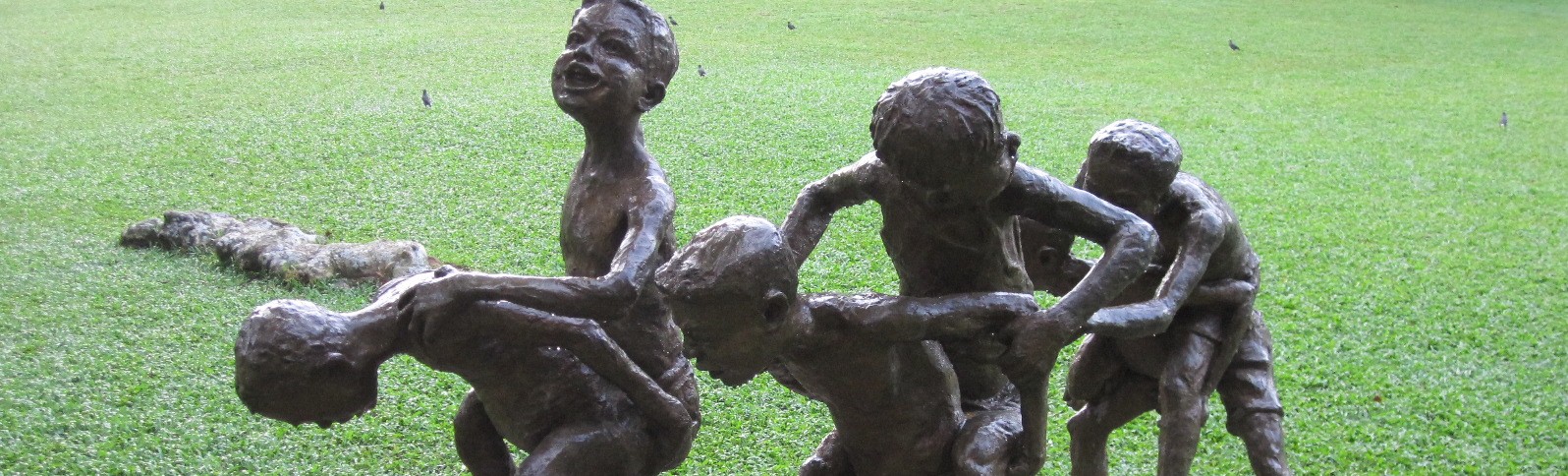
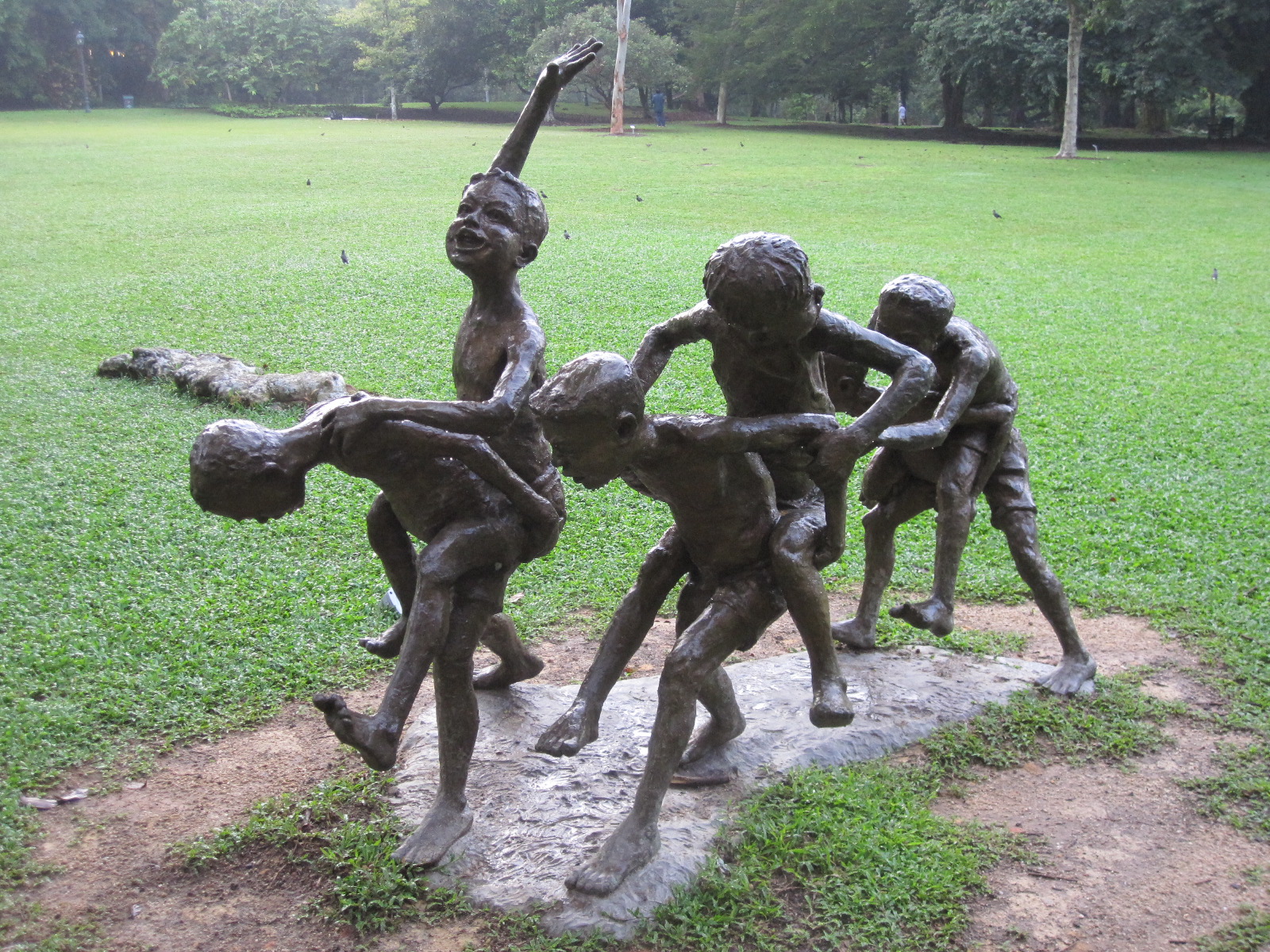
The “Chang Kuda” Sculpture happily enjoying themselves in the Singapore Botanic Gardens. It is situated directly opposite the swan lake below a small hill.
“Chang” in Malay describes “piggyback” where “Kuda” means “horse”. So, it literally means “piggyback on a horse”.
It is a famous childhood game during the 50s and 60s.
This is the work of Sculptor CHONG FAH CHEONG
28) Where is this sculpture?
Sculpture outside URA
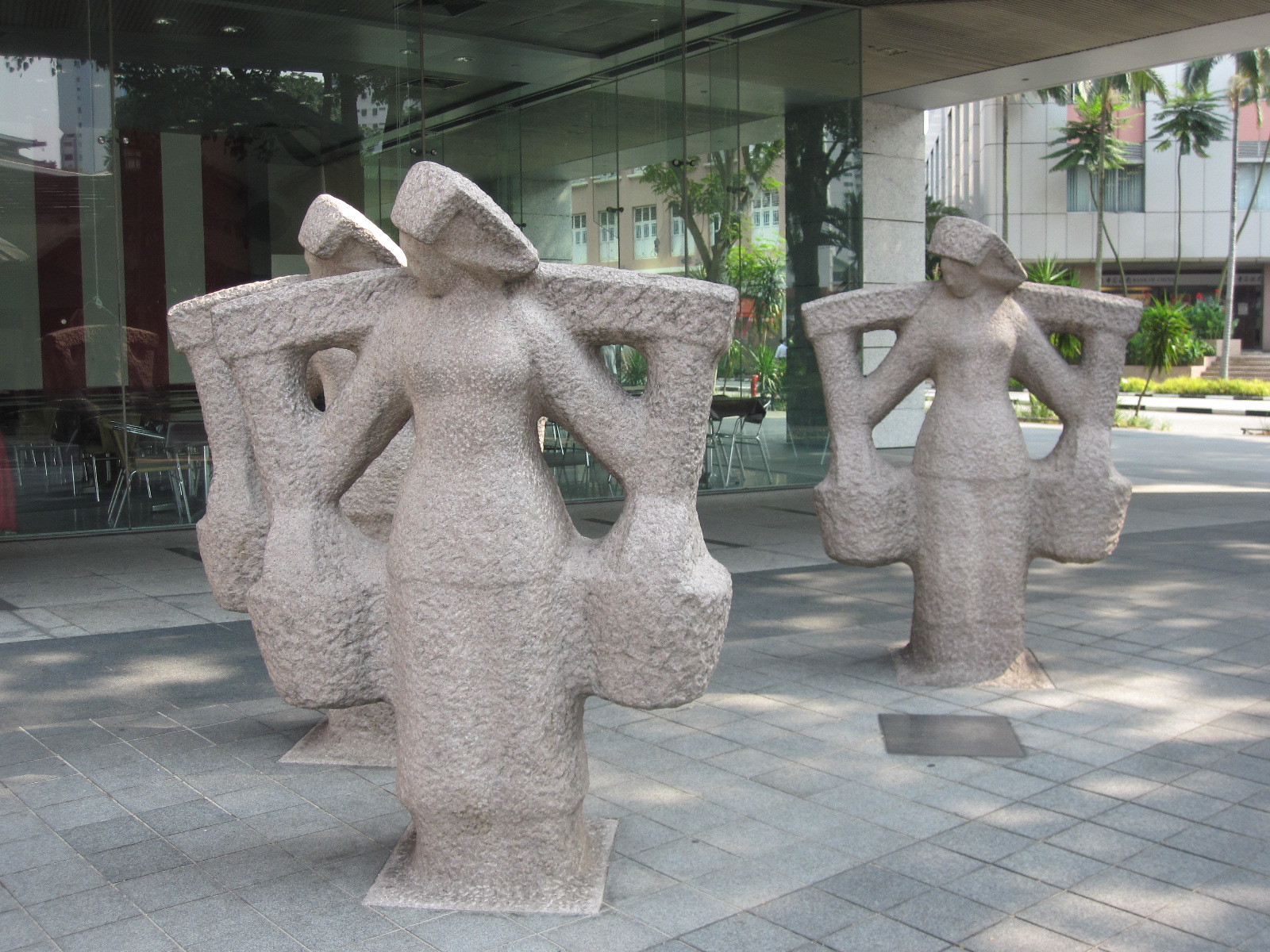
This sculpture can be found outside URA-Urban Redevelopment Authority’s Building in Singapore.
This sculpture is a symbolic of the Sam Shui Woman (红头巾) in memory of their selflessness contributions to our country.
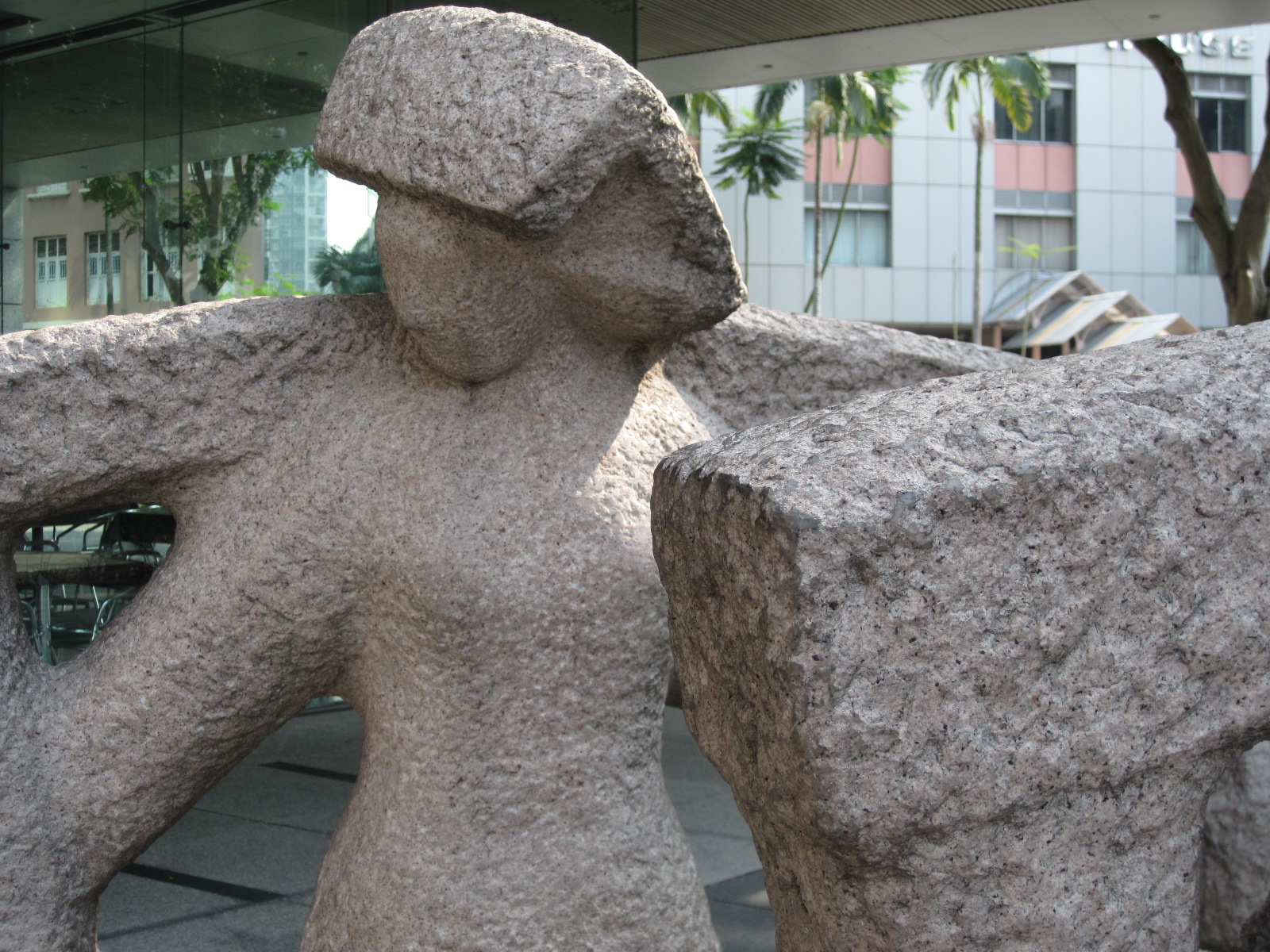
Sam Shui Woman whom is a Chinese immigrant from Sam Shui, a province of China during the olden days.
Most of them work in construction site, doing hard labour works like carrying cement, bricks and timber for building construction. They are tough and work very hard day and night, mostly more than 10 hours a day, but only get 5 to 6 cents in return during those days.
They put on a self-design scarf in the color of red to shade themselves from rain and shine.
Most Sam Shui Woman live in Chinatown area, along豆腐街, Tofu Street (presently known as Chin Chew Street). They stay in rented conservation unit with unpleasant and unhealthy condition, as most of them are cramped in the small little space the unit can provide.
But, subsequently their names gradually gain the respect of the community at home and abroad as they have contributed tremendously to the building construction industries in those days. “Red Scarf”, thus became the revered of Sam Shui woman unique and specific terms showing the noble and resilient character of the Overseas Chinese Women.
27) Where is this place?

Looking at the sparkling shine on the Pagoda of Ten Thousand Buddha at Kong Meng San Phor Kark See Monastery, located at Bright Hill Road, my heart starts to bow at the arrival of the sunbeam. Certainly, this is a glorious moment. In the benevolent eyes of the grand statue, we come out like a diminutive being asking for forgiveness of our sins. The greatest you think you are, the smallest you seem in front of him.

The sheen on the golden mosaic tiled ridge come into sight merely when one does not deliberately look for it.
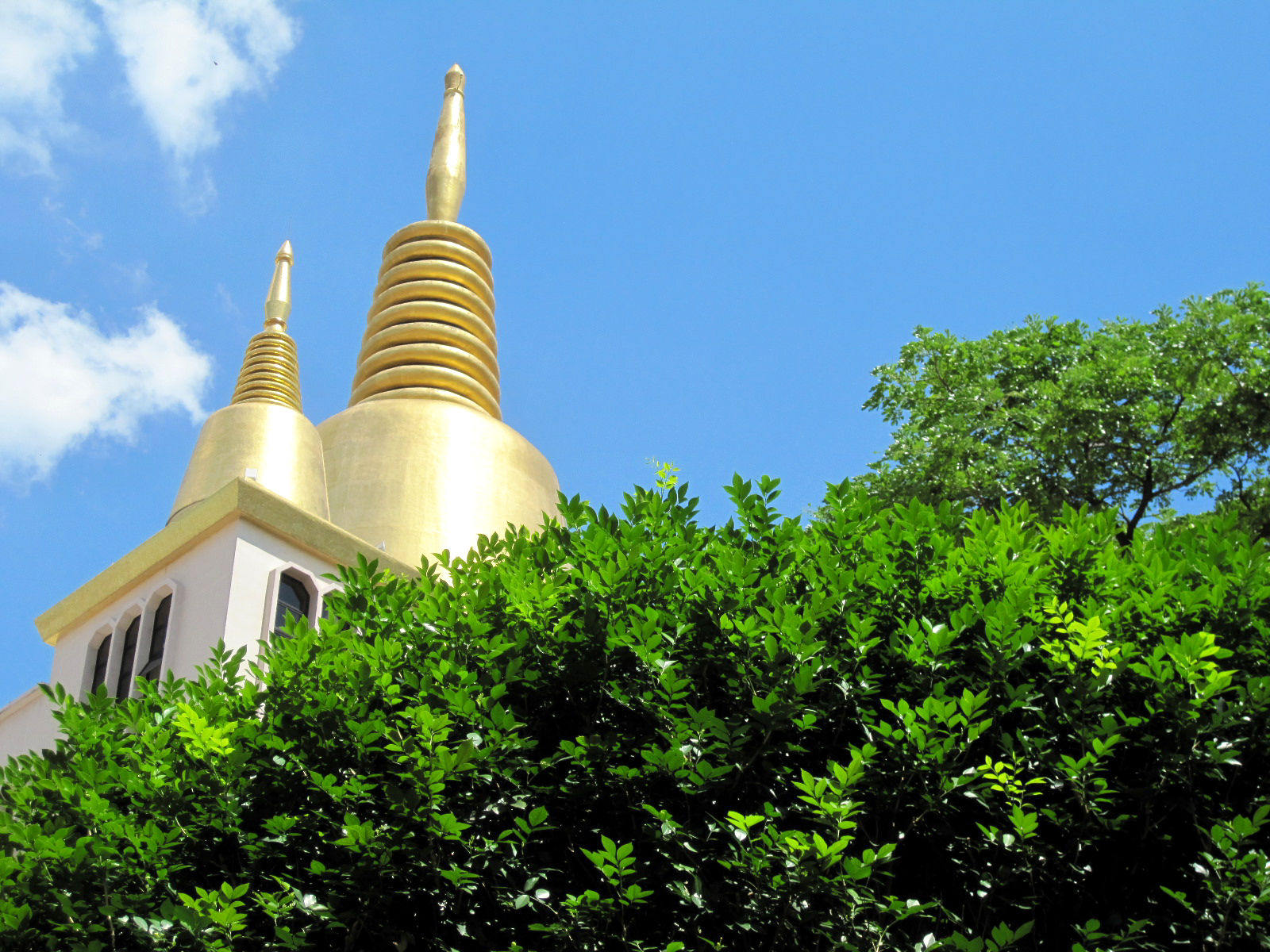
At certain angle, it looks like the Pagoda is shore up by the cheerful leaves or could it be it’s sitting on all beings?
26) Where is this place ?
Labrador Park Pt 3
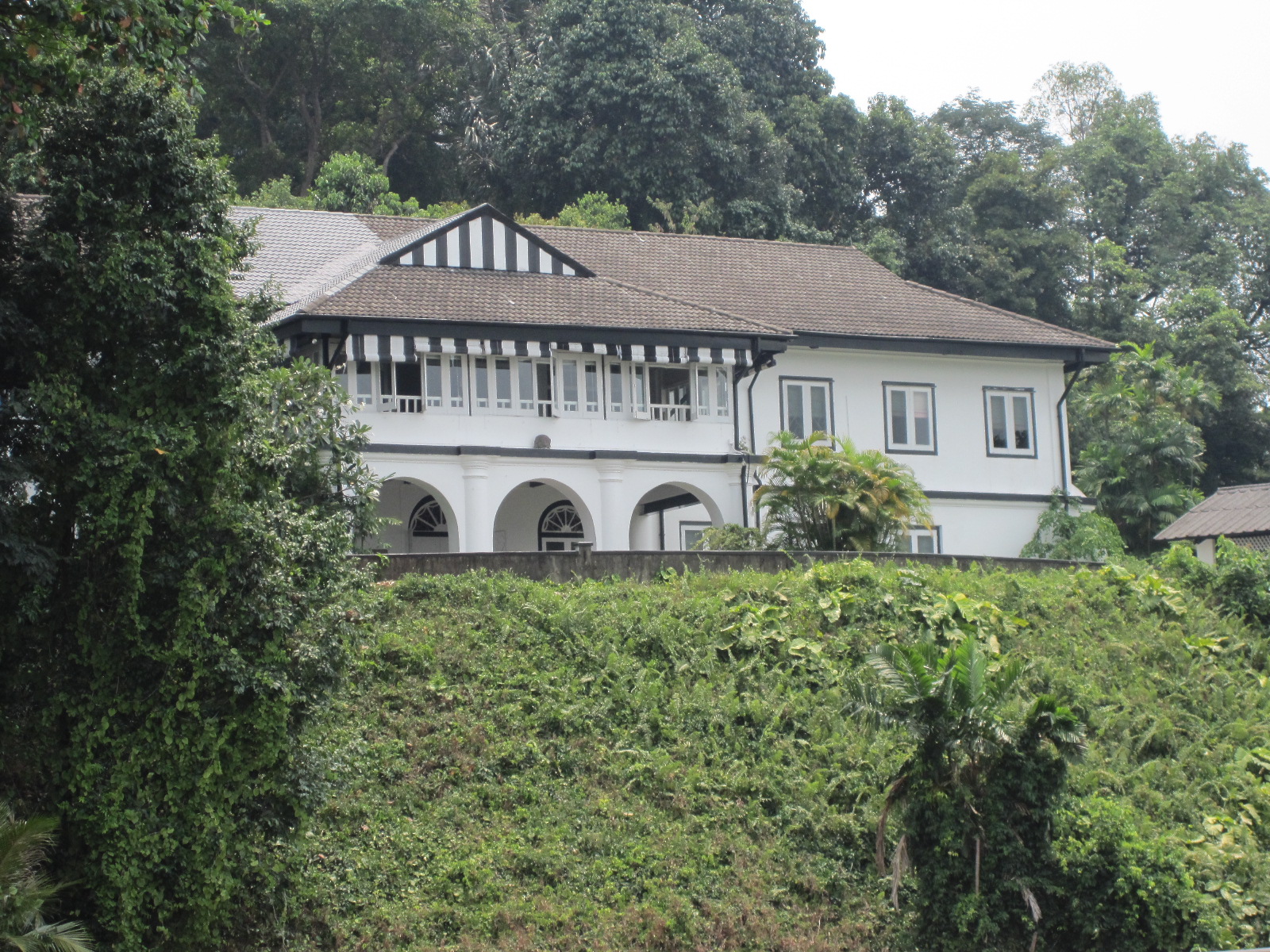
Out of many, this is one of the “Black and White” houses on our little red dot. The name “Black and White” depicted the black painted timber windows & doors and the white color painted walls. Currently, there are about 600 colonial houses scattered around our main island. In the past, it was meant for public servants’ lodgings but these days, these houses are on lease for residential, commercial or F&B usage.
The picture revealed House No 30, Bukit Chermin, which is one of the grandest and largest of the four existing bungalows along Bukit Chermin. Just like the rest, the house is preserved by the URA, Conservation Unit.

However, the old Keppel Shipyard is gone at this time, it was relocated to another part of the island. Now the mangrove is left behind listening up to the tide gushing up and telling the old story of reminiscence.
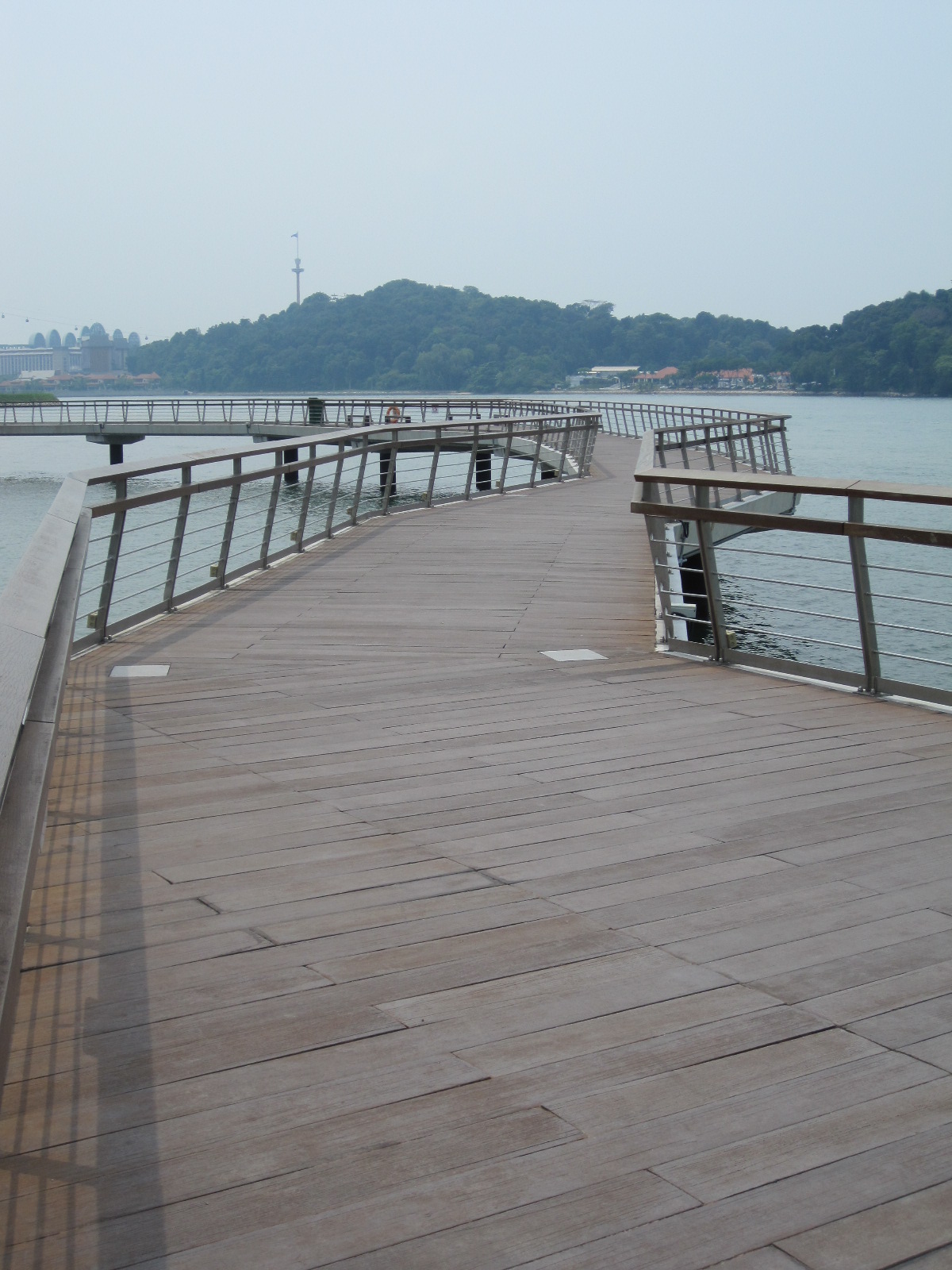
Strolling along the Coastal Walk in noon time, is hard to find a single soul.
 A lonely bird ignoring a lonely stranger or a lonely stranger staring back at a ignoring bird.


I prefer a leafy sky.
25) Where is this place ?
Labrador Park Pt 2
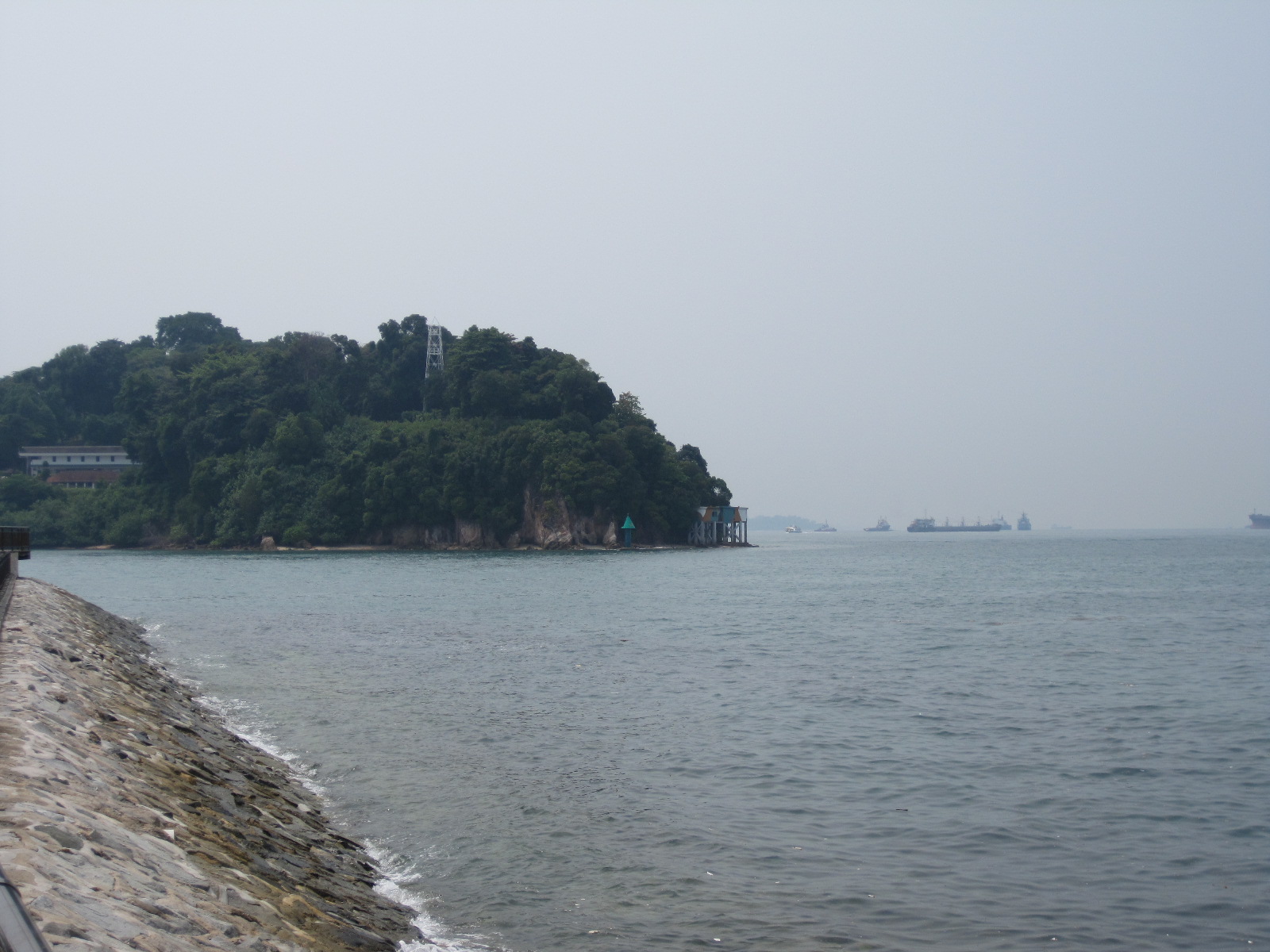
Walking towards the left of the Park, the scene of an inviting island over the other side of the sea greets you with open arm. This is the western side of Sentosa Island, Ford Siloso is lush by the den and greenish forest.

There is an machine gun post built during the British colonial era and is meant to protect the coastal shore. Thus, any attempt to assail the main island will acquire a heavy cost.
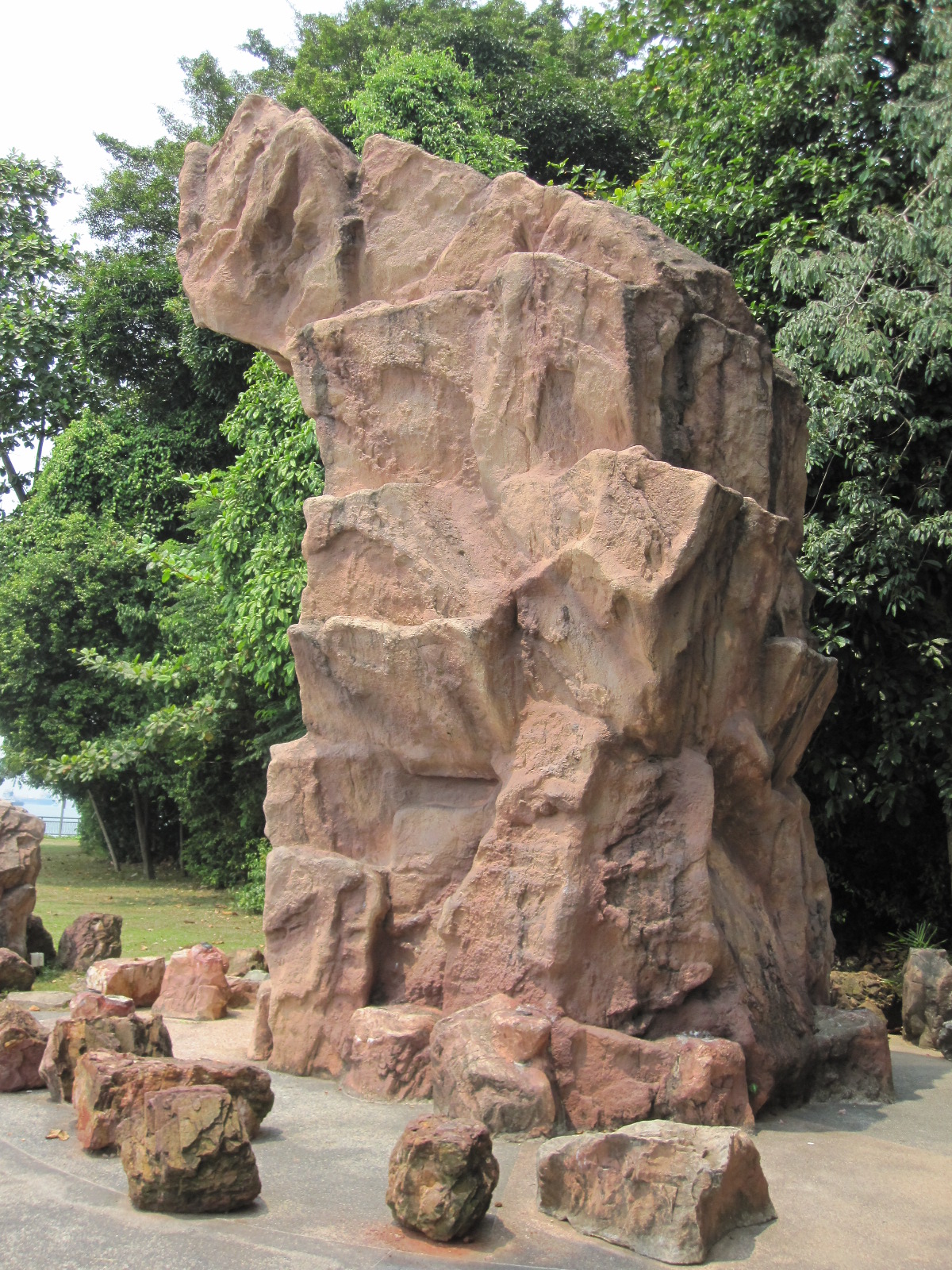
There is also a restoration of Dragon’s Teeth Gate. According to the provided introduction, Dragon’s Teeth Gate was famously known as “Batu Berlayer” or “Sailing Rocks” among the local Malays.
In 1349, A Chinese Historian Wang Da Yuan described in his article, “the straits between the two hills, Temasek (old name of Singapore) looks like Dragon’s Teeth, this is how the name was derived.
In 1405, the great Navigator, Zhen Hē sail passed Temasek using his navigation chart with Dragon’s Teeth Gate as one of the landmark.

In 1819, the first resident of Singapore, William Farquhar found a deep harbour at the site and named it Keppel Harbour. Subsequently, the British blew up Dragon’s Teeth Gate to widen Keppel Harbour. Fortunately, this historical scene was saved by an artist name J T Thomas with his brush of paint.

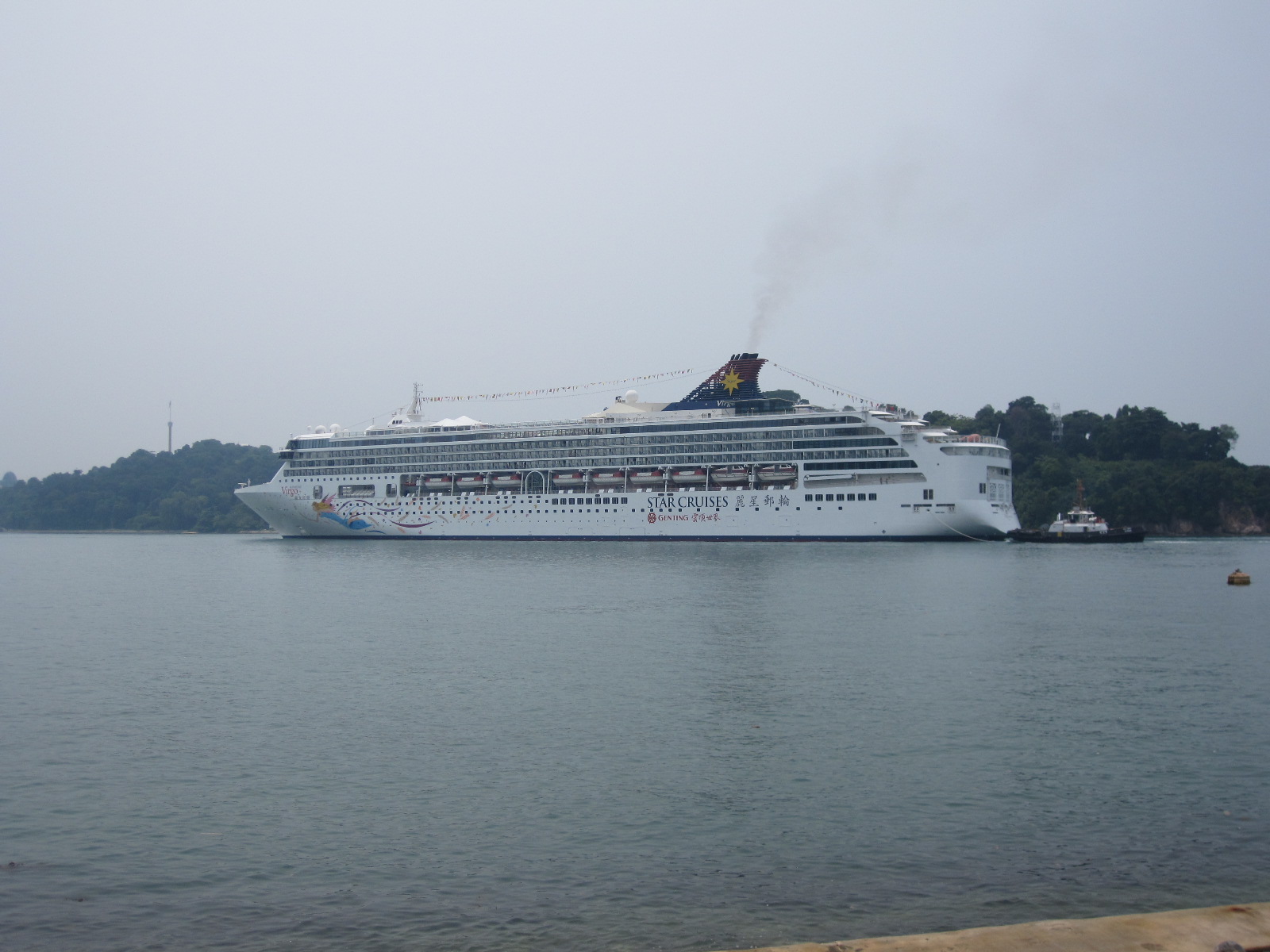
 As you saunter along the curve boundary of the Park, you catch a good glimpse of The Reflections Apartments and the delighted Star Cruise Virgo waving and welcoming you on board.
24) Where is this place ?

Labrador Park Pt 1
A trail to Labrador Park is not my plan. I was there by a tail wind and with some historical stories behind.

 To get away from the weekend crowd, Labrador Park is one good choice to reclaim a historic and ship theme scenery. It’s a two-in-one goal! You may like to backpack sunshine and fresh air along while trailing.


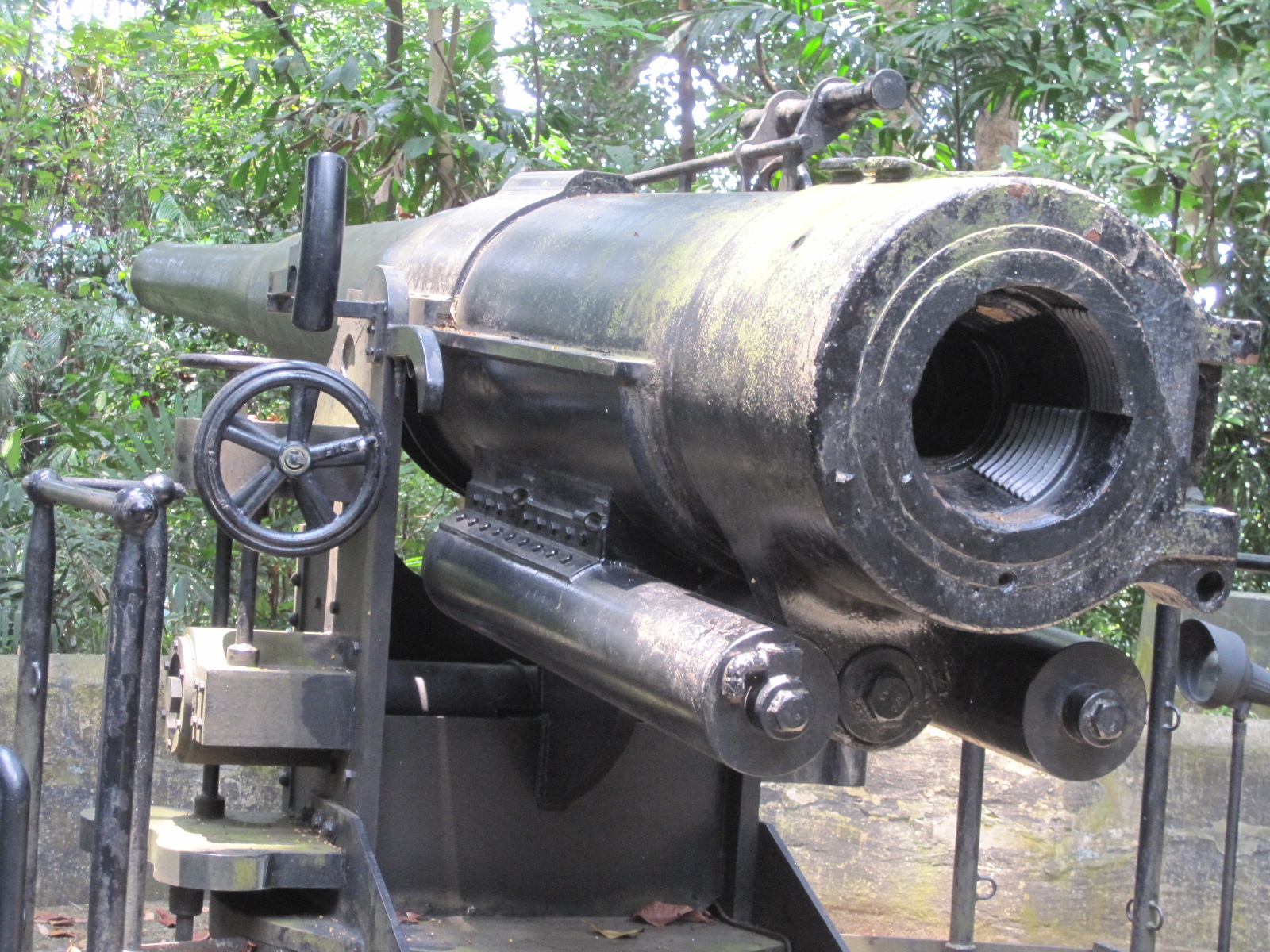
Shades and forests are the bodies of this park. There is one side road leading to Labrador Battery at the entrance located at the south tip of Singapore. Labrador Battery is seated within the lush Labrador Nature Reserve.

 ◄It was one of the coastal artillery armed by the British Army in the 19th century. They defended the western sea and stored ammunitions.►

At the entrance of this leafy road were the wall remains of the old Ford, built around 1886. It was a “stone-faced” sea wall over 6-foot high, passable only by ◄ infantry.
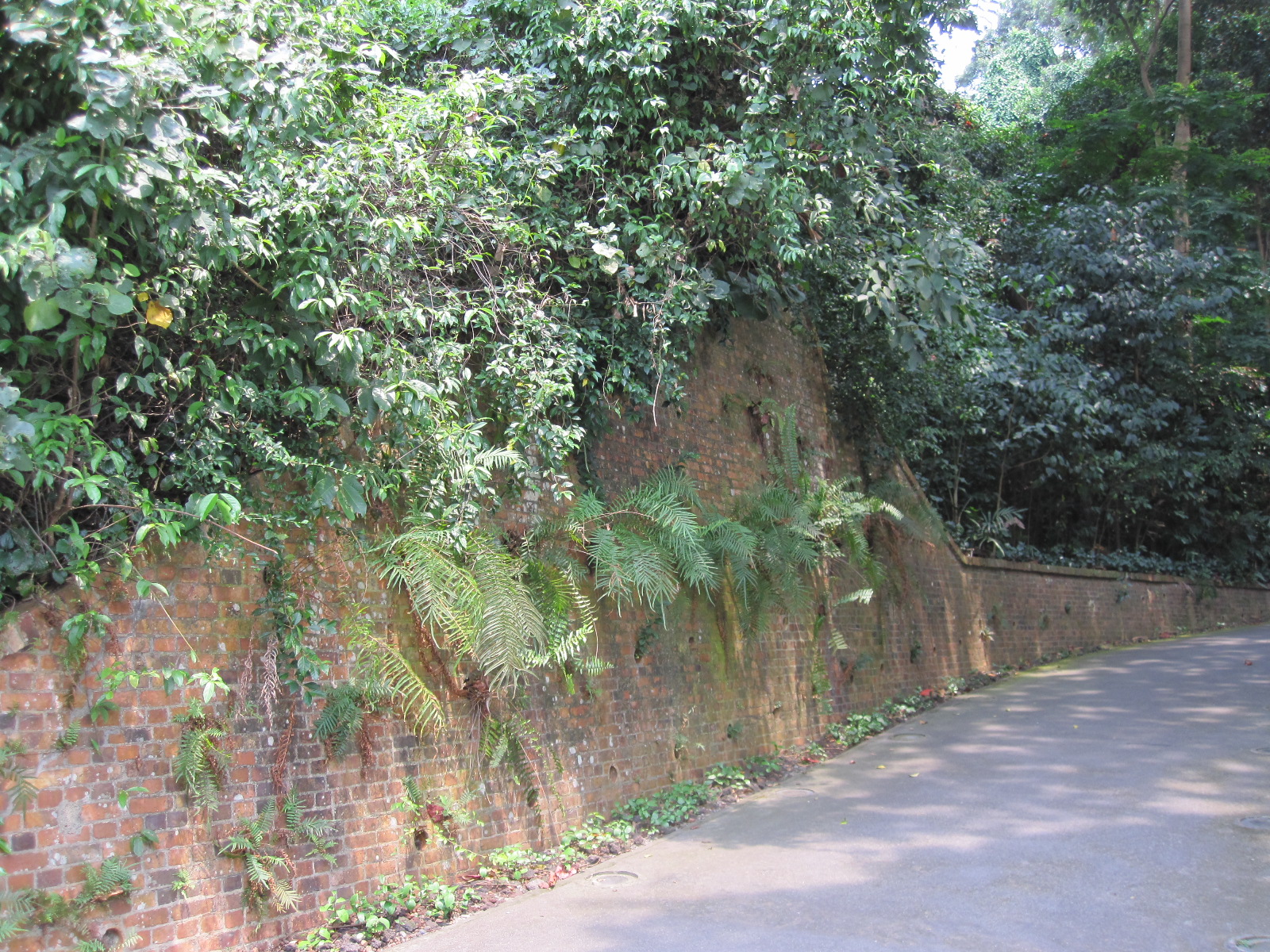
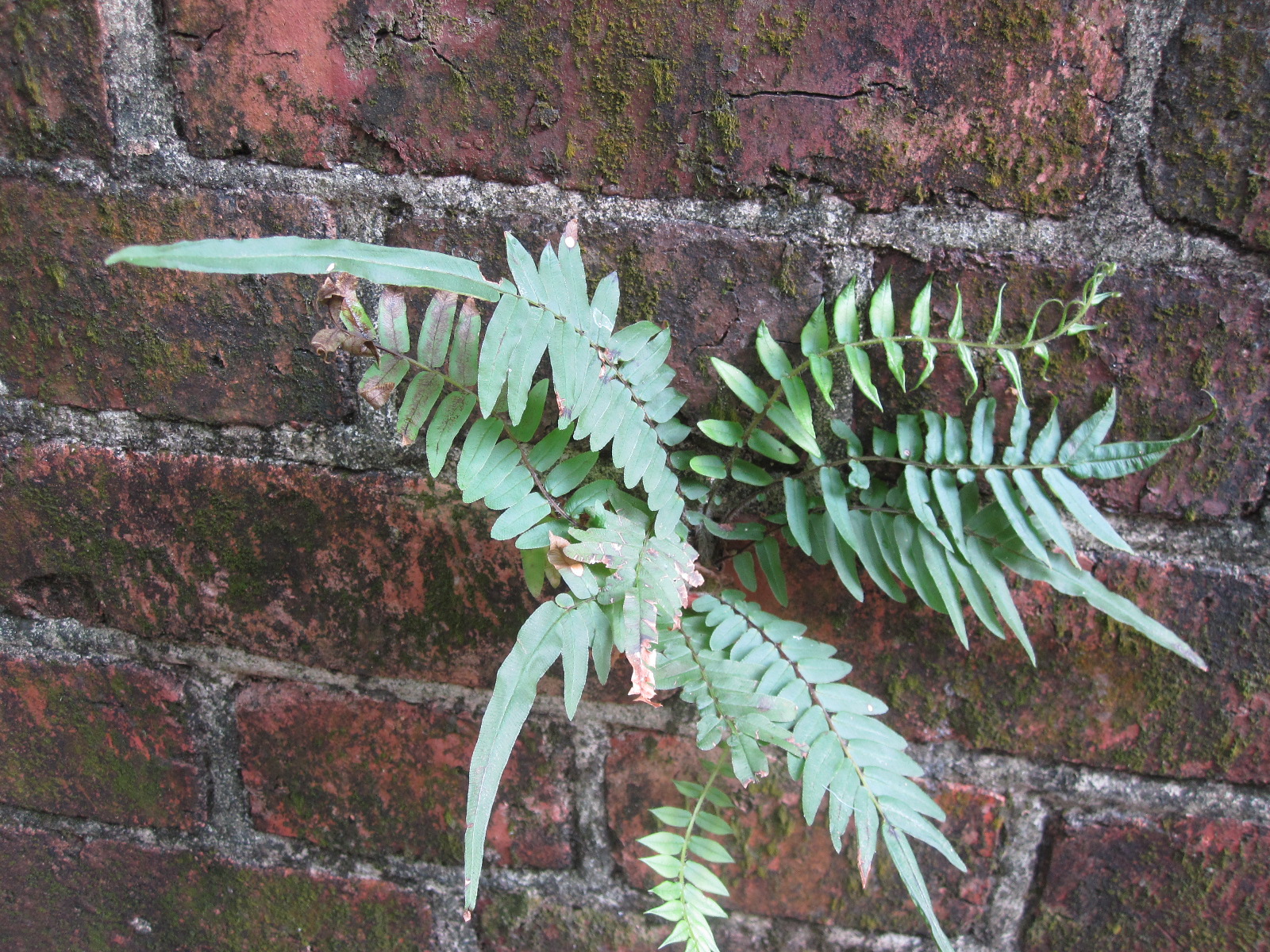
 And now, you can only hear cicadas calling and the little plants sticking their necks out to welcome you.
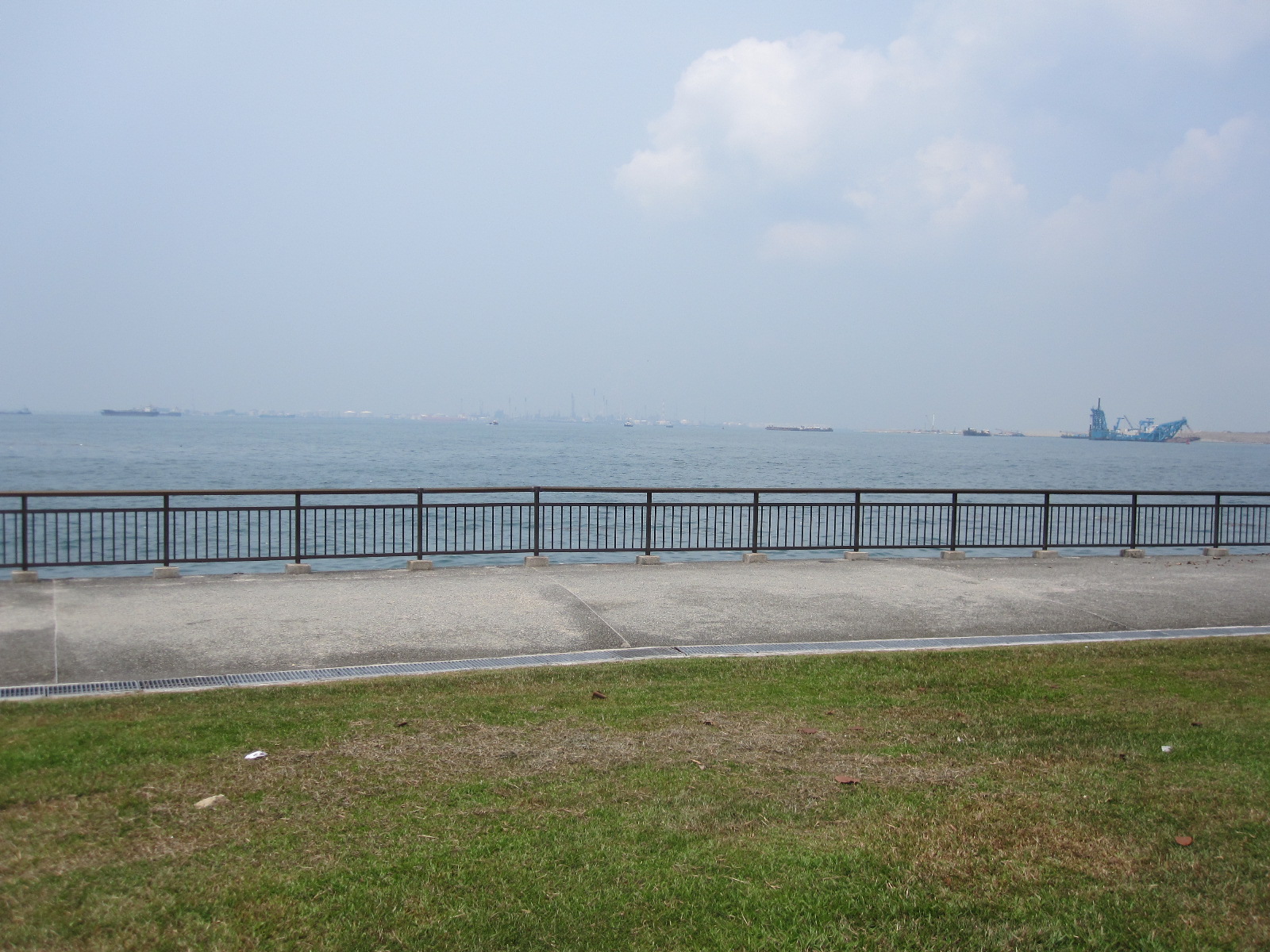
Whenever you feel confuse and tire, just remember there is a place for you to de-stress and rejuvenate, and that is Labrador Park !


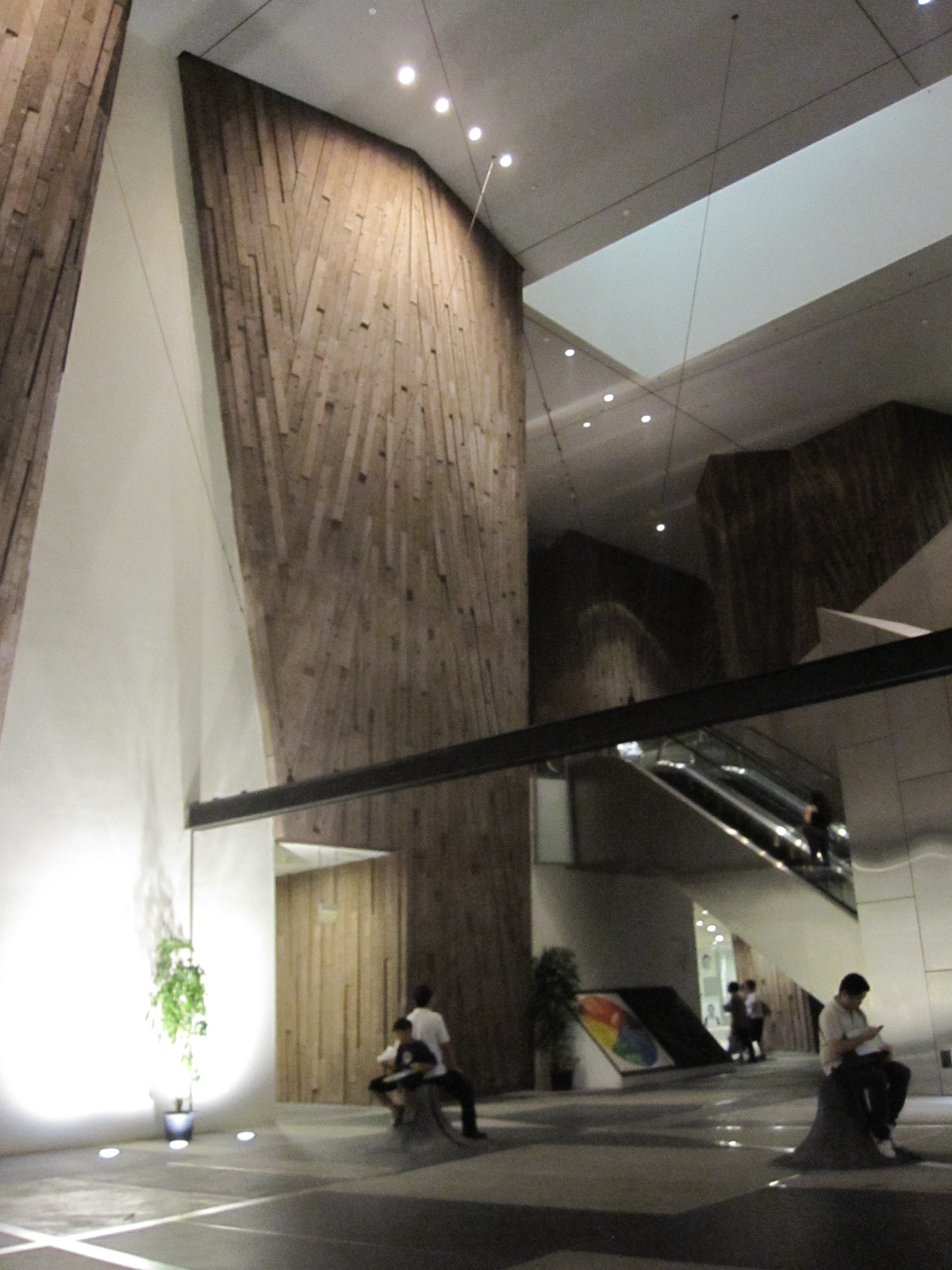
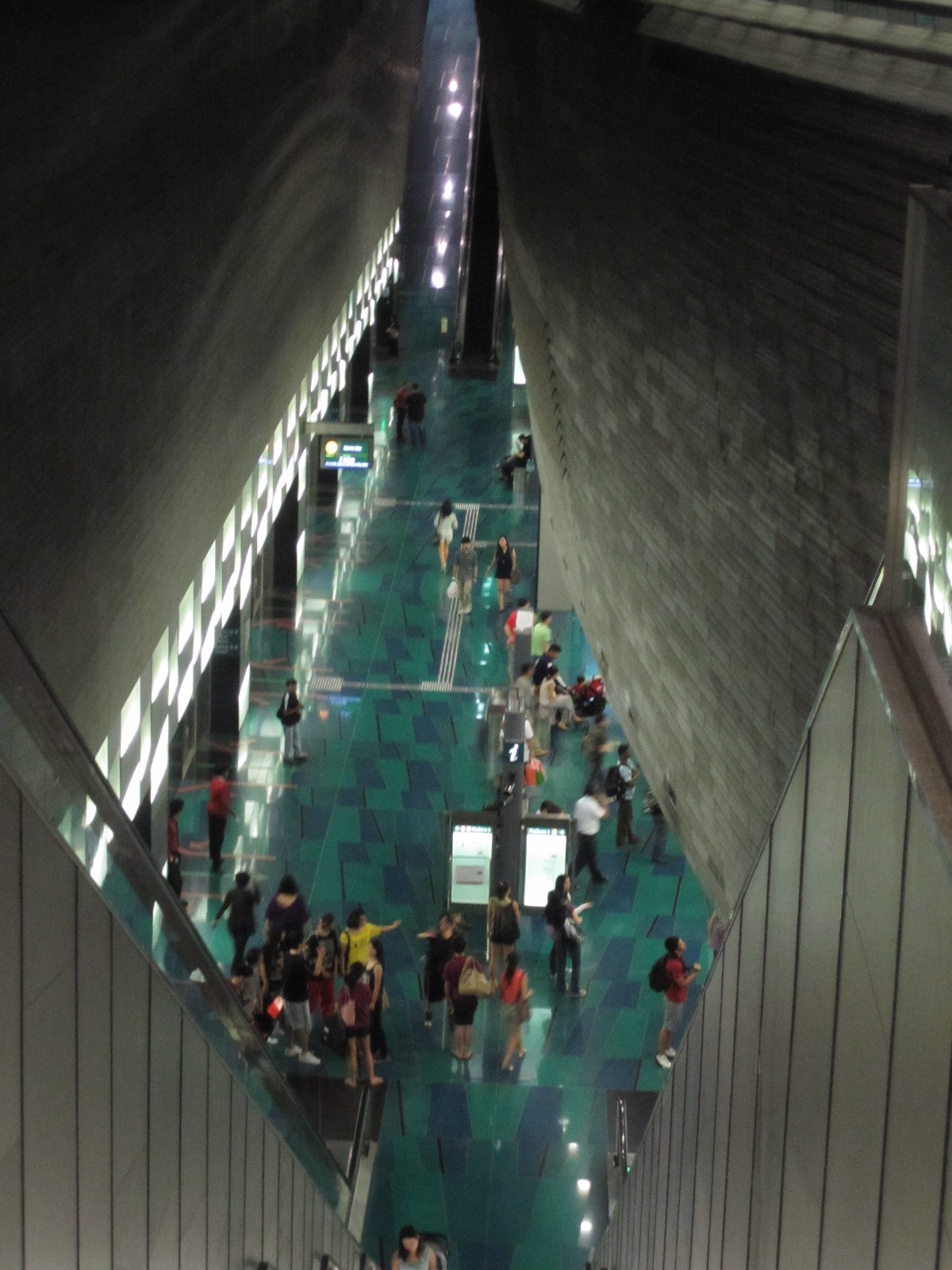
21) Where is this MRT Station / 这是哪一个地铁?
A glance at the Stadium MRT Station.
Stadium MRT Station, an underground Mass Rapid Transit station on the Circle Line in Singapore. The station serves the Kallang area and it’s located within the Kallang & Mountbatten vicinity. It was opened on 17 April 2010 and earned The 2010 Singapore President’s Design Award, Design of the Year by reputable firm, WOHA Architects.
▼It was captured at an angle perceived with distorted effects.



 AddGrainOnEarth